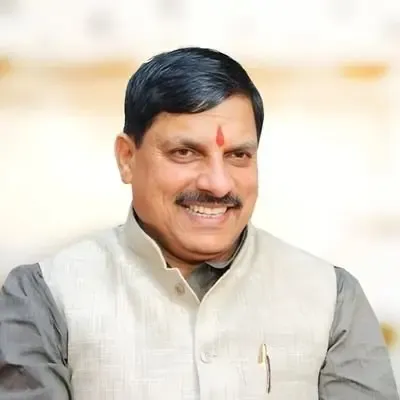
Madhya Pradesh's CM Mohan Yadav Unleashes Rare Turtles and Gharials into Una River
Synopsis
In a remarkable wildlife conservation effort, CM Mohan Yadav of Madhya Pradesh released baby gharials and endangered turtles into the Una river, marking a significant step towards ecological restoration and sustainable preservation.
Key Takeaways
Madhya Pradesh's CM releases 53 gharials and 25 turtles.
Efforts aimed at boosting wildlife populations.
Kuno National Park is pivotal for conservation initiatives.
Community involvement is essential for sustainable conservation .
Gharials and turtles play critical roles in river ecosystems.
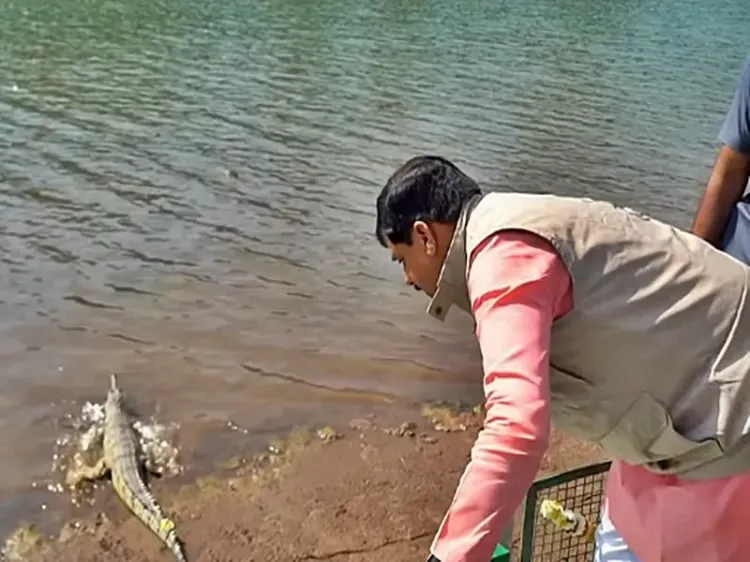
Bhopal/Sheopur, March 1 (NationPress) In a momentous stride for wildlife preservation, Madhya Pradesh's Chief Minister Mohan Yadav embarked on a visit to Kuno National Park located in Sheopur district on Sunday, where he took the initiative to release juvenile gharials and threatened turtles into the Una river.
The Chief Minister oversaw the release of 53 juvenile gharials—comprising 28 males and 25 females—nurtured at the Deori Gharial Centre. These hatchlings, raised for more than two years, were meticulously reintroduced into their natural surroundings to augment the population and restore ecological harmony within the river ecosystem.
In conjunction with the gharials, 25 baby three-striped roofed turtles, classified as an endangered species in India, were also liberated into the river.
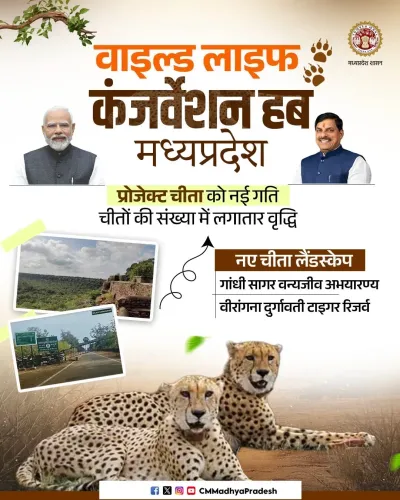
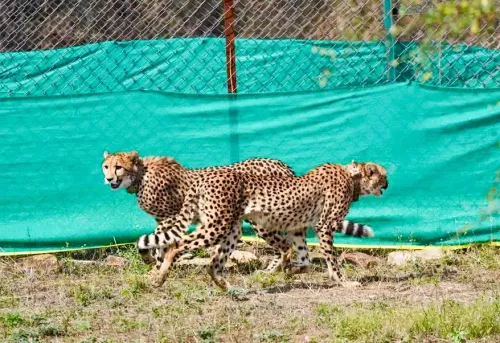
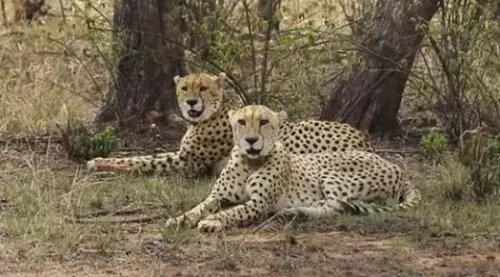
This event underscores Madhya Pradesh’s commitment to reptile conservation, building upon projects like the cheetah reintroduction at the nearby Palpur-Kuno, recognized as the site of India’s inaugural cheetah translocation initiative.
“This hands-on release provides these ancient river dwellers a renewed opportunity for survival and conveys a powerful message regarding sustainable conservation, community engagement, and our determination to position Madhya Pradesh as a benchmark for the protection of endangered species,” expressed Chief Minister Yadav.
“These ancient beings, dating back to the era of dinosaurs, are crucial to river ecosystems, helping to uphold cleanliness and ecological balance,” he remarked.
Discussing the Una tributary of the Chambal, the Chief Minister stated, “We have recently achieved a remarkable milestone by releasing 53 gharial hatchlings back into their natural environment. These young ones, approximately two-and-a-half years old, were carefully hatched from eggs in a controlled setting, nurtured, and subsequently reintroduced to rejuvenate the ecosystem. This initiative not only revitalizes the population but also enhances the experience for tourists while significantly contributing to environmental conservation.”
He noted that gharials and muggers inhabit river ecosystems and stand as emblems of ancient biodiversity that have endured through millennia.
“Additionally, we have released three-striped roofed turtles, another endangered species in the nation, into clean, free-flowing waters to aid in repopulating riverine regions,” he stated.
Emphasizing the conservation initiatives in the area, Yadav portrayed the Palpur-Kuno region within the Chambal landscape as abundant in natural resources and beneficial to rural livelihoods amidst pristine environments.
“Recently, we facilitated the release of eight more cheetahs transported by the Air Force into the forest. This has bolstered confidence in our conservation strategies. The reintroduction of cheetahs posed a global challenge, yet our climate, environment, dedicated personnel, and supportive local communities have welcomed them,” he added.
“From the original 20 cheetahs introduced, 12 have survived, and through natural breeding, the population has expanded from 12 to 38. Following the latest release of nine more, the total now stands at 48,” he concluded.
Point of View
The actions taken by CM Mohan Yadav reflect a proactive approach to wildlife conservation in India. The release of gharials and turtles is a crucial step in restoring ecological balance, indicating a broader commitment to preserving biodiversity in the region. Such initiatives can inspire similar efforts across the country.
NationPress
1 Oct 2026
Frequently Asked Questions
What species were released into the Una river?
53 juvenile gharials and 25 baby three-striped roofed turtles were released into the Una river.
Why is the release of gharials important?
Releasing gharials helps to boost their population and restore ecological balance in the river system.
What is the significance of the Kuno National Park?
Kuno National Park is involved in significant wildlife conservation efforts, including the reintroduction of cheetahs and various reptile species.
How long were the gharials nurtured before their release?
The gharials were nurtured for over two years at the Deori Gharial Centre before their release.
What does CM Mohan Yadav say about wildlife conservation?
He emphasizes the importance of sustainable conservation and community involvement in protecting endangered species.