CM Yogi: 746 Kasturba Gandhi Schools Now Serve UP's Daughters
Synopsis
Uttar Pradesh CM Yogi Adityanath spotlights 746 Kasturba Gandhi Balika Vidyalayas running across the state's development blocks, providing marginalised girls with both education and safe residential facilities under the Samagra Shiksha Abhiyan.
Key Takeaways
746 Kasturba Gandhi Balika Vidyalayas (KGBVs) are currently operational across Uttar Pradesh's development blocks.
KGBVs are residential upper-primary schools targeting girls from SC, ST, OBC, and BPL backgrounds under the Samagra Shiksha Abhiyan .
CM Yogi framed the scheme around two guarantees: a safe learning environment and residential accommodation for every enrolled girl.
Uttar Pradesh has among the largest numbers of development blocks in India, making 746-block coverage a near-statewide rural reach.
The residential model is designed to counter dropout pressures including distance, safety concerns, and early-marriage norms in rural UP.
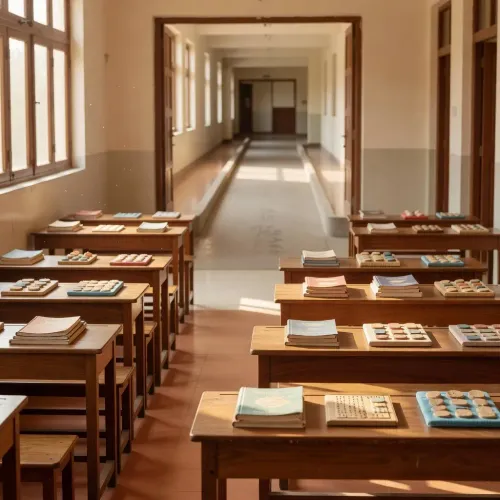
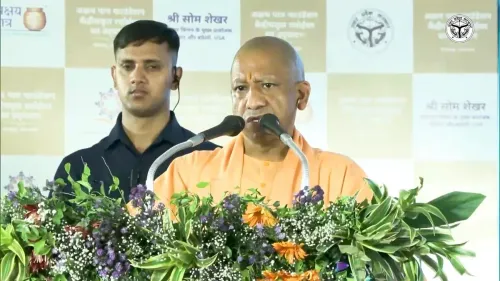
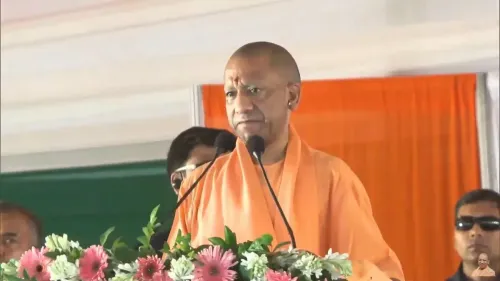
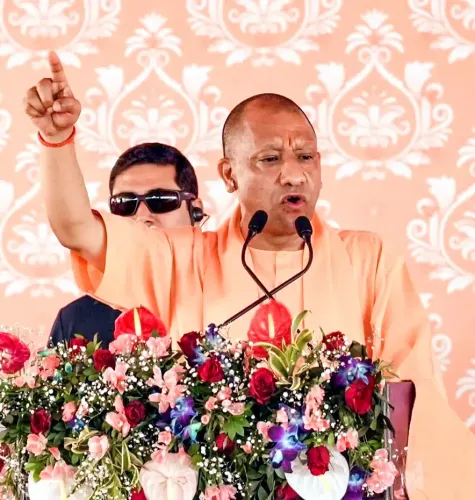
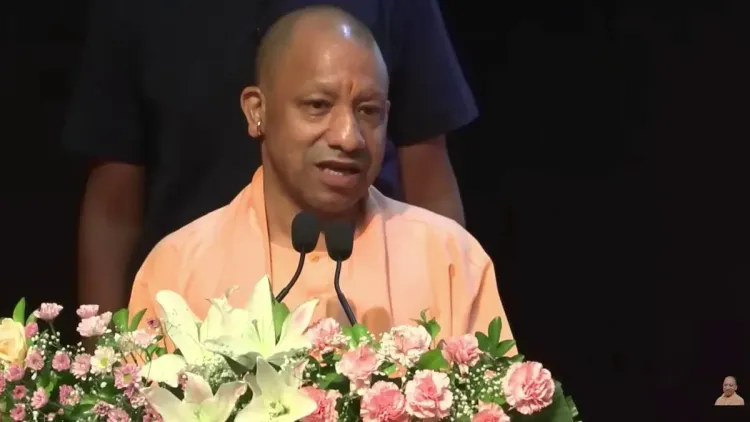
Every girl child deserves a classroom where she feels safe — and a bed she can call her own at night. Uttar Pradesh Chief Minister Yogi Adityanath made that conviction the centrepiece of a post on Saturday, 3 October 2026, highlighting that 746 Kasturba Gandhi Balika Vidyalayas (KGBVs) are now operational across the state's development blocks, providing both education and residential facilities to girls from marginalised communities.
In his post, CM Yogi wrote: 'Har beti surakshit maahal mein padhe, use aavasiya suvidha upalabdh ho sake' — 'Every daughter should study in a safe environment and have access to residential facilities.' The statement frames the KGBV network not merely as a schooling scheme, but as a safety guarantee for girls who might otherwise drop out of education entirely.
What Kasturba Gandhi Vidyalayas Are and Who They Serve
Kasturba Gandhi Balika Vidyalayas are residential upper-primary schools established under India's centrally-sponsored Samagra Shiksha Abhiyan, targeting girls from Scheduled Castes, Scheduled Tribes, Other Backward Classes, and families living below the poverty line. The residential model is deliberate: it removes the twin barriers of distance and safety that keep girls from continuing beyond primary level. Each school provides hostel accommodation, meals, and a structured learning environment.
Uttar Pradesh, with its vast rural geography spread across 75 districts, has historically faced some of the country's steepest gender gaps in secondary school enrolment. The KGBV model addresses precisely that gap — by bringing the school to where the girl is, rather than expecting the girl to travel to where the school is.
746 Blocks: The Scale of the Residential Network
The figure of 746 development blocks is significant. Uttar Pradesh has among the highest number of development blocks of any Indian state, meaning coverage at this scale represents a near-statewide reach into rural and semi-urban pockets. Each block hosting a KGBV translates to hundreds of girls in that locality gaining access to a safe residential learning space — often the first in their family to do so.
The Chief Minister's emphasis on 'surakshit maahal' — a secure environment — points to an acknowledgement that physical safety, not just academic provision, determines whether a girl stays in school. Residential facilities reduce the exposure to road-safety risks, social pressure, and early-marriage pressures that compound dropout rates in rural Uttar Pradesh.
Education as the Floor, Not the Ceiling
The KGBV push sits within a broader pattern in the Yogi Adityanath government's articulation of girl-child welfare — one that links residential schooling to downstream outcomes: better literacy rates, delayed marriage age, and greater workforce participation. By spotlighting operational numbers rather than announcements of new targets, the post signals an accountability framing: schools already running, girls already enrolled.
With 746 KGBVs already in operation and residential infrastructure in place, the question the government now implicitly invites is whether quality of instruction and hostel standards match the breadth of coverage — the next metric that will define whether Uttar Pradesh's most vulnerable daughters truly get the future this network promises.
Point of View
Allowing the government to anchor its girl-child welfare narrative in delivery data rather than targets. The residential-school model has historically been the most effective lever for improving female secondary enrolment in large, rural states, and showcasing its scale strengthens the BJP's claim to welfare-state credibility ahead of future electoral cycles. However, the real test of the initiative lies beyond enrolment numbers: hostel quality, teacher retention, and learning outcomes will determine whether the infrastructure translates into lasting mobility for UP's most marginalised girls. The post's framing of safety — not merely access — as the core promise is politically astute, tapping into a deeply felt parental concern that transcends class and caste in the state.
NationPress
3 Oct 2026
Frequently Asked Questions
What is Kasturba Gandhi Balika Vidyalaya (KGBV)?
Kasturba Gandhi Balika Vidyalayas are residential upper-primary schools for girls from Scheduled Caste, Scheduled Tribe, OBC, and below-poverty-line families, run under India's Samagra Shiksha Abhiyan to improve female enrolment and reduce dropout rates.
How many Kasturba Gandhi schools are running in Uttar Pradesh?
As of October 2026, 746 KGBVs are operational across Uttar Pradesh's development blocks, according to a post by Chief Minister Yogi Adityanath.
What facilities do KGBV schools provide to girls?
KGBVs provide residential accommodation, meals, and a structured upper-primary education, specifically designed so that girls from remote or marginalised backgrounds can continue schooling without the barriers of distance or safety risks.
What is Samagra Shiksha Abhiyan?
Samagra Shiksha Abhiyan is a centrally-sponsored integrated school education scheme in India that encompasses pre-school to Class 12, with a focus on inclusion, quality, and equity — the KGBV network is one of its flagship residential components for girls.
Why does Uttar Pradesh focus on residential schools for girls?
Uttar Pradesh has historically faced significant gender gaps in secondary enrolment, driven by distance to schools, safety concerns, and social pressures including early marriage. Residential schools address all three barriers by providing a safe, on-campus learning and living environment.