Nayara Energy hikes petrol by ₹5/litre, diesel by ₹3 from Saturday
Synopsis
Nayara Energy has raised petrol by ₹5 and diesel by ₹3 per litre from Saturday — its second hike this year — even as state-run oil majors controlling 90% of India's pumps hold prices steady. With commercial LPG, ATF, and now retail fuels all moving higher in quick succession, the broader fuel price picture is darkening fast for Indian households and businesses.
Key Takeaways
Nayara Energy raised petrol by ₹5 per litre and diesel by ₹3 per litre effective 4 October 2026 .
This is the company's second price revision in 2026 ; a similar March hike was rolled back in July.
State-owned OMCs — covering over 90% of India's 1,04,000+ petrol pumps — have not matched the increase.
Commercial LPG prices rose ₹62.50 per 19-kg cylinder in October; domestic LPG held at ₹942 .
ATF prices jumped ₹16 per litre to ₹137 per litre , continuing a multi-month upward trend.
The government earlier this week directed private fuel retailers not to restrict petrol and diesel sales.
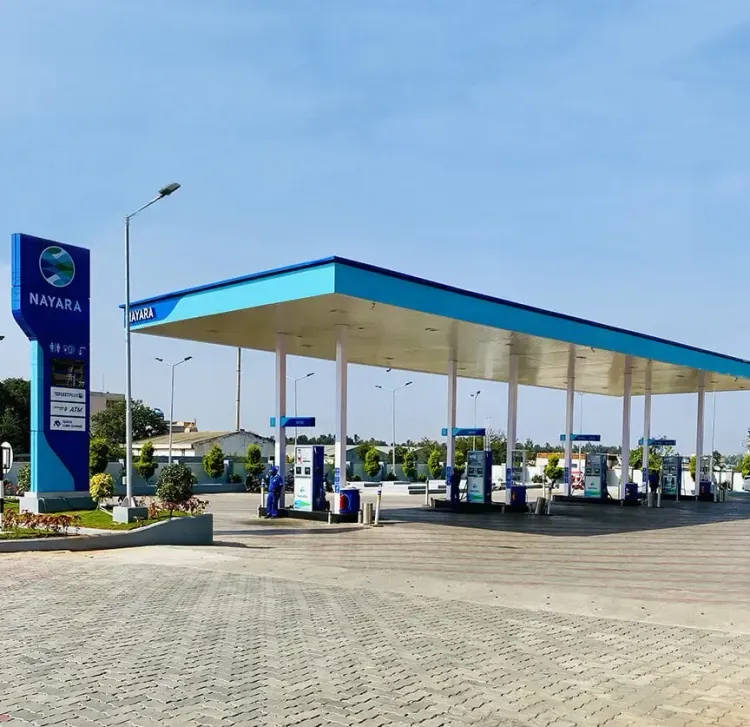
Private fuel retailer Nayara Energy has raised petrol prices by ₹5 per litre and diesel prices by ₹3 per litre across its nationwide network of more than 7,000 fuel stations, effective Saturday, 4 October 2026, according to industry sources. The revision is driven by sustained pressure on retail margins from rising global crude oil and fuel product prices.
What Triggered the Revision
The hike is Nayara's second price revision this year. The company had previously raised petrol and diesel prices by comparable amounts in March 2026 following supply disruptions linked to tensions in West Asia, only to roll back that increase in July after international crude prices eased. The latest move signals that the reprieve was short-lived, with global energy costs climbing once again.
Notably, the state-owned oil marketing companies (OMCs) — which operate more than 90 per cent of India's over 1,04,000 petrol pumps — have largely held retail prices steady despite the volatility in global crude markets, putting Nayara in an isolated position among fuel retailers.
Government's Stance on Private Retailers
Earlier this week, the government stated that private fuel retailers should not restrict the sale of petrol and diesel, a signal widely read as a nudge to keep supply flowing even as margins tighten. Nayara's revision comes in that context, reflecting the commercial reality the company faces without the cushion of government support available to public sector rivals.
Wider Fuel Price Movements
The petrol and diesel hike is part of a broader upward trend across fuel categories. State-owned OMCs have raised commercial LPG rates by ₹62.50 per 19-kg cylinder effective October 2026 — following a ₹9.50 increase in September, after rates had been cut by ₹192 in August and ₹183.50 in July. Between February and June, commercial LPG prices surged by ₹1,373 per 19-kg cylinder, rising from ₹1,740.50 to ₹3,113.50. Prices of domestic LPG, however, remain unchanged at ₹942.
Aviation turbine fuel (ATF) prices have also been revised upward by ₹16 per litre, with rates for domestic airlines climbing to ₹137 per litre from ₹121 per litre. ATF had already seen a hike of ₹6.28 per litre (5.46 per cent) in September and ₹5 per litre in August.
Impact on Consumers and What Comes Next
For motorists who rely on Nayara's stations — particularly in regions where the company has significant market presence — the price increase translates into a direct increase in daily commuting costs. If global crude prices remain elevated, pressure on state-owned OMCs to follow suit with their own revisions could mount, potentially affecting over 90 per cent of fuel pump users across India. Analysts will be watching whether the PSU retailers continue to hold the line or ultimately align with market-linked pricing.
Point of View
While PSU OMCs can absorb losses with government backing — creating a two-tier market that distorts competition. The real question is how long state-owned retailers can hold the line if crude stays elevated. A PSU revision, when it comes, will hit far more consumers than Nayara's 7,000-odd stations ever could. The cascading hikes in ATF and commercial LPG suggest the energy cost shock is already broader than petrol and diesel headlines convey.
NationPress
3 Oct 2026
Frequently Asked Questions
Why has Nayara Energy increased petrol and diesel prices?
Nayara Energy raised petrol by ₹5 per litre and diesel by ₹3 per litre effective 4 October 2026 because rising global crude oil and fuel product prices have been squeezing its retail margins. As a private retailer without government support, the company must price closer to market costs to remain viable.
How does this compare to Nayara's earlier price changes in 2026?
This is Nayara's second revision of the year. In March 2026, the company raised prices by similar amounts following West Asia-related supply disruptions, but rolled back the hike in July after crude prices eased. The October increase reflects a renewed surge in global energy costs.
Have state-owned fuel retailers also raised prices?
No. State-owned oil marketing companies, which control more than 90% of India's 1,04,000-plus petrol pumps, have largely maintained stable retail prices despite global crude fluctuations. Only Nayara, a private retailer, has revised rates upward in this cycle.
What is happening with LPG and aviation fuel prices?
Commercial LPG prices were raised by ₹62.50 per 19-kg cylinder effective October 2026, while domestic LPG remains unchanged at ₹942. Aviation turbine fuel (ATF) prices rose ₹16 per litre to ₹137 per litre, continuing a trend of increases that began in August.
What did the government say about private fuel retailers?
Earlier this week, the government stated that private fuel retailers should not restrict the sale of petrol and diesel, signalling that supply continuity is a priority even as private companies adjust prices to reflect higher procurement costs.