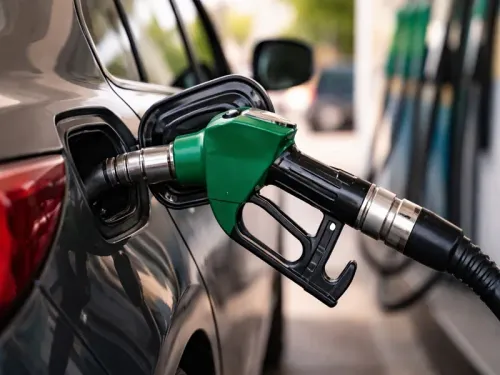
Nayara Energy cuts petrol by ₹5, diesel by ₹3 as crude oil eases
Synopsis
Nayara Energy has slashed petrol by ₹5 and diesel by ₹3 per litre — the first private retail fuel price cut since West Asia tensions eased crude oil markets. With windfall tax on diesel and ATF exports also trimmed and commercial LPG down ₹183.5, 1 July marks a broad repricing of India's energy basket. The real question: will state-run OMCs follow suit?
Key Takeaways
Nayara Energy cut petrol by ₹5 per litre and diesel by ₹3 per litre effective 1 July .
The revision applies across more than 7,000 Nayara Energy fuel stations nationwide; actual prices vary by state VAT.
This is the first retail fuel price cut since global crude oil eased following de-escalation in West Asia .
State-run OMCs reduced 19-kg commercial LPG cylinder prices by up to ₹183.5 ; the 14.2-kg domestic cylinder price is unchanged.
The Centre raised windfall tax on petrol exports to ₹4/litre while cutting it on diesel to ₹8.5/litre and ATF to ₹7.5/litre .
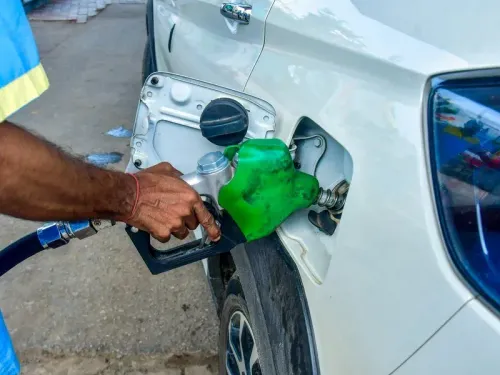
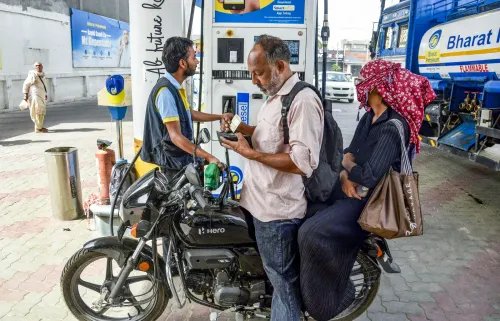
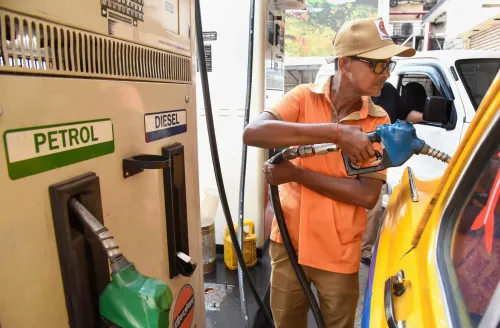
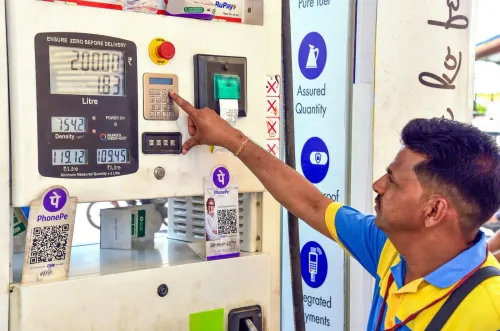
Nayara Energy, India's largest private fuel retailer, on Wednesday, 1 July reduced petrol prices by ₹5 per litre and diesel prices by ₹3 per litre across its nationwide network of over 7,000 fuel stations. This marks the first reduction in retail fuel prices since global crude oil costs began declining following the de-escalation of tensions in West Asia.
What Triggered the Price Cut
The revision follows a sustained easing in international crude oil prices after hostilities in West Asia subsided and key shipping routes reopened, restoring the flow of crude oil and liquefied natural gas. The resumption of these supply corridors has significantly reduced concerns over global energy disruptions that had kept fuel prices elevated for months.
Actual retail prices at the pump will vary by state, depending on local levies including value-added tax (VAT). The revised rates took effect immediately at all Nayara Energy outlets from 1 July.
Broader Fuel Price Changes on 1 July
The petrol and diesel cut is part of a wider set of fuel-sector revisions that came into force at the start of the month. State-run oil marketing companies (OMCs) reduced the price of 19-kg commercial LPG cylinders by up to ₹183.5 across major cities. The price of the 14.2-kg domestic LPG cylinder, used by households, remains unchanged.
Windfall Tax Revised on Petroleum Exports
The Centre also revised the windfall tax on petroleum product exports effective 1 July, according to a Finance Ministry notification. The Special Additional Excise Duty (SAED) on petrol exports has been raised to ₹4 per litre from ₹1.5 per litre. Conversely, the export duty on diesel has been cut to ₹8.5 per litre from ₹14 per litre, and the levy on aviation turbine fuel (ATF) exports has been reduced to ₹7.5 per litre from ₹12.5 per litre.
The ministry confirmed there is no change in excise duty on petrol and diesel supplied for domestic consumption.
What This Means for Consumers
For motorists, the ₹5-per-litre petrol cut offers direct relief at the pump, though the effective saving will differ across states with higher VAT structures. The simultaneous drop in commercial LPG prices benefits restaurants, hotels, and small businesses that rely on bulk cylinder supplies. Notably, this is the first time Nayara Energy has moved retail fuel prices downward since the West Asia supply shock began — a signal that private retailers see the crude easing as durable enough to pass on to customers.
Whether state-run OMCs follow with their own retail price revisions remains the key question for the broader market going forward.
Point of View
But this reversal suggests Nayara sees the crude correction as durable, not a blip. The asymmetric windfall tax revision — raising the levy on petrol exports while cutting it on diesel and ATF — also hints at a policy preference for keeping domestic aviation and logistics costs competitive. If OMCs do not follow with their own retail cuts, the price gap between private and public pumps could widen, nudging volume share toward Nayara at a time when its network is still expanding. The domestic LPG price freeze, meanwhile, keeps the political sensitivity of household cooking fuel firmly off the table.
NationPress
30 Sept 2026
Frequently Asked Questions
How much has Nayara Energy cut petrol and diesel prices?
Nayara Energy has reduced petrol prices by ₹5 per litre and diesel prices by ₹3 per litre, effective 1 July. The revised rates are live at all of its more than 7,000 fuel stations across India, though the final price at the pump varies by state due to local VAT.
Why did Nayara Energy reduce fuel prices?
The price cut follows a decline in international crude oil prices after tensions in West Asia eased and key shipping routes reopened, restoring global crude and LNG supply. This is the first retail fuel price reduction since the West Asia-driven supply disruption began.
Has the domestic LPG cylinder price changed?
The price of the 14.2-kg domestic LPG cylinder used by households remains unchanged. However, state-run oil marketing companies reduced the price of 19-kg commercial LPG cylinders by up to ₹183.5 across major cities, effective 1 July.
What changes were made to the windfall tax on petroleum exports?
The Centre revised the Special Additional Excise Duty (SAED) on petroleum exports from 1 July. The levy on petrol exports was raised to ₹4 per litre from ₹1.5 per litre, while the duty on diesel exports was cut to ₹8.5 per litre from ₹14 per litre, and ATF export duty was reduced to ₹7.5 per litre from ₹12.5 per litre. Excise duty on petrol and diesel for domestic consumption remains unchanged.
Will state-run oil companies also cut fuel prices?
As of 1 July, state-run oil marketing companies have not announced a corresponding cut in retail petrol or diesel prices. Whether they follow Nayara Energy's move remains to be seen and is being closely watched by the market.