CM Yogi Highlights UP's Girl Welfare Schemes, Birth to Graduation
Synopsis
Uttar Pradesh Chief Minister Yogi Adityanath on 13 June 2026 reaffirmed state support for girls from birth through graduation, spotlighting the Mukhyamantri Kanya Sumangala Yojana as the cornerstone of UP's lifecycle welfare architecture for daughters.
Key Takeaways
CM Yogi Adityanath publicly reaffirmed on 13 June 2026 that the UP government has provisions supporting girls from birth through graduation.
The Mukhyamantri Kanya Sumangala Yojana , launched in 2019 , provides staged financial assistance at six lifecycle milestones for girl children.
The scheme complements the national Beti Bachao Beti Padhao programme launched in 2015 to improve child sex ratios and female education outcomes.
Uttar Pradesh , India's most populous state, has expanded girl-child welfare provisions consistently since 2017 under BJP administrations.
Beneficiaries are girls from economically vulnerable families across all 75 districts of the state, with transfers tied to enrolment and education milestones.
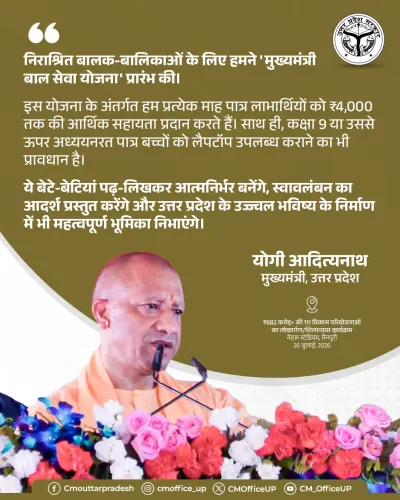
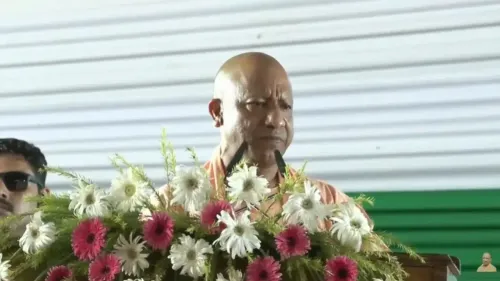
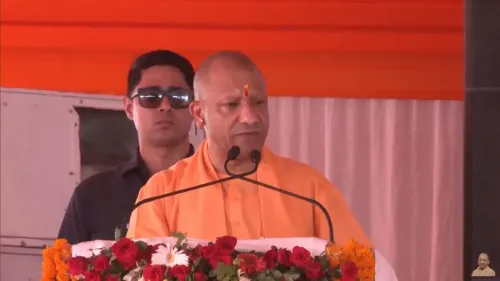
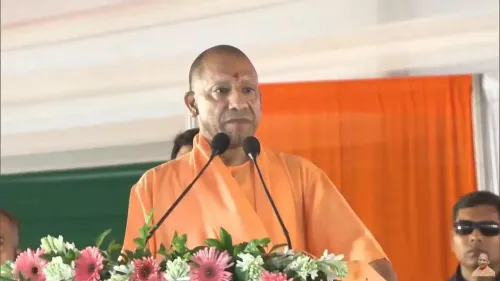
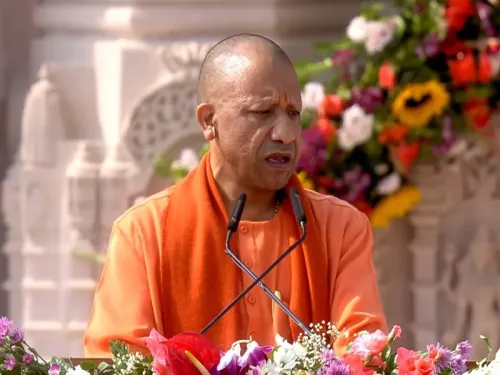
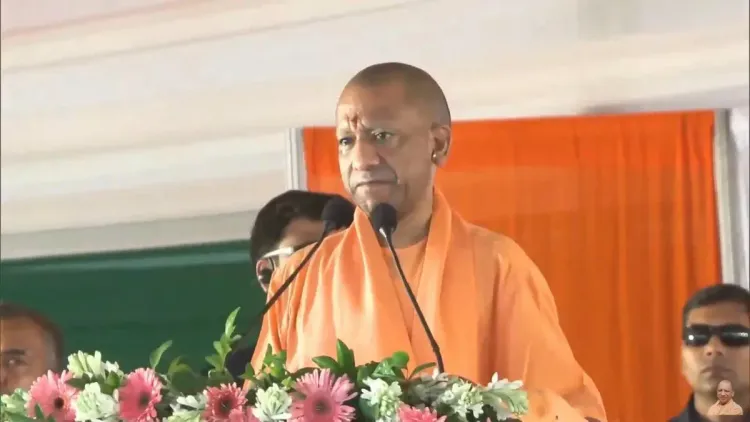
Uttar Pradesh Chief Minister Yogi Adityanath on Saturday, 13 June 2026 reaffirmed the state government's commitment to supporting girl children across every stage of their lives, from birth through graduation, citing welfare provisions put in place under his administration. The post, shared on his official X account, underscored the BJP-led government's focus on female education and financial security for families with daughters.
Context
In his post, CM Yogi Adityanath stated — 'Beti ke janam se lekar snatak tak ki padhai ke liye hamne vyavastha di hai' — ('We have made arrangements for a daughter's education from birth through graduation'). The remark is a direct reference to the lifecycle support architecture the Uttar Pradesh government has built for girl children since 2017, spanning financial aid at birth, schooling milestones, and higher education.
The flagship instrument for this commitment is the Mukhyamantri Kanya Sumangala Yojana, a state scheme launched in 2019 that disburses staged financial assistance to families at six defined points in a girl's life — from birth registration to university enrolment. The scheme is designed to remove financial barriers that historically led families to deprioritise daughters' education.
Policy Backdrop
The Mukhyamantri Kanya Sumangala Yojana was conceived as a state-level complement to the national Beti Bachao Beti Padhao programme, which the central government launched in 2015 to address a declining child sex ratio and improve outcomes for girls in education and health. Uttar Pradesh, as India's most populous state, has been a central focus of both national and state-level interventions given the scale of its female population and historically lower female literacy indicators.
Since 2017, successive BJP administrations in Lucknow have expanded state-funded welfare provisions targeting female literacy, sex-ratio improvement, and economic security for girls' families. The approach emphasises measurable lifecycle milestones — birth, immunisation, school admission, Class 6 enrolment, Class 9 enrolment, and graduation — as trigger points for financial transfers, ensuring sustained engagement rather than a one-time grant.
Stakeholders and Impact
The primary beneficiaries of these schemes are girl children from economically vulnerable families across Uttar Pradesh's 75 districts. Families with daughters are the direct recipients of financial transfers under the Mukhyamantri Kanya Sumangala Yojana, with the state government positioning the scheme as both an economic support measure and a behavioural-change instrument to encourage birth registration and school retention for girls.
Broader stakeholders include local government bodies responsible for scheme implementation, school administrations that serve as enrolment verification points, and civil society groups monitoring female literacy trends across the state. The scheme's design also has implications for the state's female gross enrolment ratio at the higher-education level, a metric that state budget documents and periodic welfare reports track.
What's Next
Analysts and welfare observers will watch Uttar Pradesh's upcoming state budget documents and official scheme reports for updated figures on beneficiary coverage, disbursement volumes, and female enrolment trends linked to the Mukhyamantri Kanya Sumangala Yojana. CM Yogi Adityanath's public reaffirmation of these commitments signals that girl-child welfare will remain a visible plank of the state government's political and policy messaging in the period ahead, with lifecycle support from birth to graduation serving as the defining framework.
Point of View
Elevating its perceived ambition. This framing also allows the state government to draw a direct line between its 2017 mandate and measurable social outcomes, reinforcing a narrative of sustained rather than episodic welfare delivery. The post arrives at a moment when welfare scheme visibility is high across BJP-governed states, suggesting coordinated messaging around female empowerment as a policy identity marker.
NationPress
20 Sept 2026
Frequently Asked Questions
What is Mukhyamantri Kanya Sumangala Yojana?
The Mukhyamantri Kanya Sumangala Yojana is a Uttar Pradesh government scheme launched in 2019 that provides staged financial assistance to families for their daughters at six milestones — from birth through graduation — to promote female education and welfare.
What did CM Yogi Adityanath say about girl welfare on 13 June 2026?
CM Yogi Adityanath stated that the UP government has made arrangements to support a daughter's education and welfare from birth through graduation, reaffirming the state's lifecycle welfare framework for girls.
What is Beti Bachao Beti Padhao and how does it relate to UP schemes?
Beti Bachao Beti Padhao is a national programme launched in 2015 to improve child sex ratios and promote girls' education. The Mukhyamantri Kanya Sumangala Yojana in Uttar Pradesh was designed as a state-level complement to this central initiative.
Who benefits from UP's girl child welfare schemes?
Girl children from economically vulnerable families across all 75 districts of Uttar Pradesh are the primary beneficiaries, receiving financial transfers at defined education and lifecycle milestones.
When did Yogi Adityanath become Chief Minister of Uttar Pradesh?
Yogi Adityanath became Chief Minister of Uttar Pradesh in 2017 and has led the BJP government in the state since then, overseeing the expansion of multiple girl-child welfare and education schemes.