CM Yogi: Agra museum to honour national heroes, not invaders
Synopsis
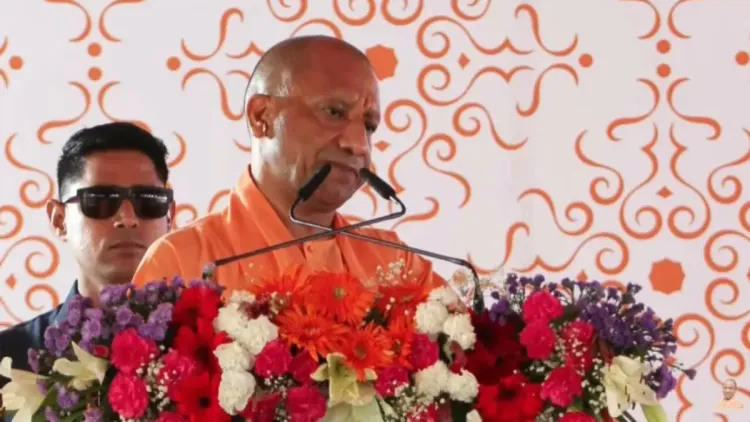
Uttar Pradesh Chief Minister Yogi Adityanath declared on 25 July 2026 that a museum in Agra will be named after national heroes, not invaders, rejecting what he described as the Samajwadi Party government's earlier plan to build a Mughal Museum in the historic city.
Key Takeaways
CM Yogi Adityanath announced on 25 July 2026 that the Agra museum will be dedicated to national heroes, not invaders.
He attributed the original 'Mughal Museum' project to the Samajwadi Party government that ruled Uttar Pradesh from 2012 to 2017 .
The post invoked Chhatrapati Shivaji Maharaj's historical presence in Agra as a key justification for the rebranding.
The move continues a pattern of the BJP -led state government revising cultural and heritage projects since 2017 .
Formal details — including the museum's official name, design, and timeline — are yet to be announced by the state government.
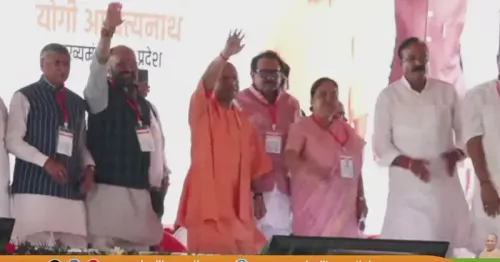
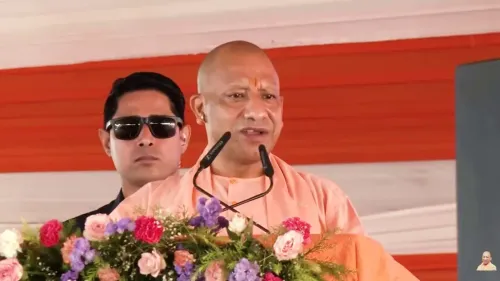
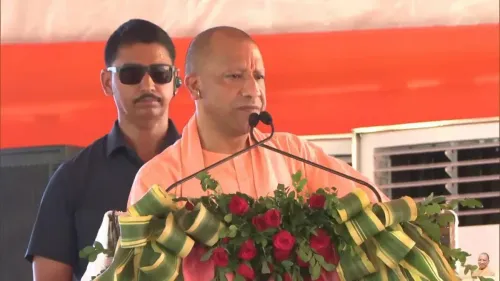
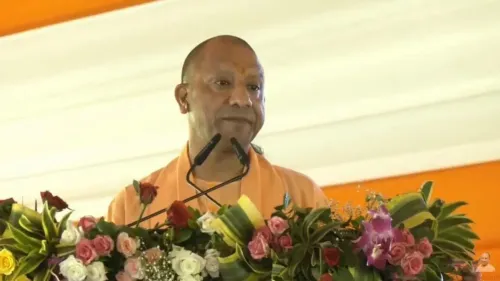
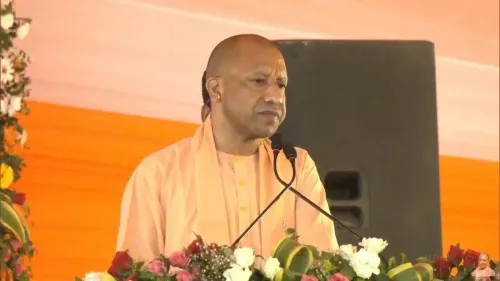
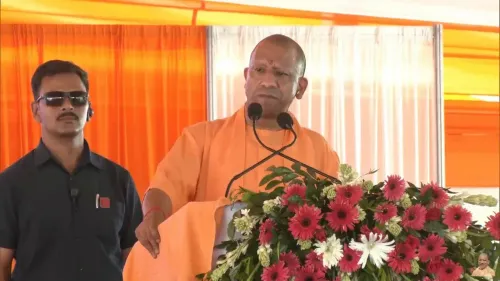
Uttar Pradesh Chief Minister Yogi Adityanath on Saturday, 25 July 2026, declared that a museum being developed in Agra will be named after national heroes rather than any invader, directly contrasting his government's cultural vision with a museum project he attributed to the previous Samajwadi Party administration. The statement, made via his official X account, invoked the legacy of Chhatrapati Shivaji Maharaj to anchor the argument.
Context
In his post, Yogi Adityanath wrote: 'जिस आगरा में छत्रपति शिवाजी महाराज ने अपना शौर्य दिखाया था, समाजवादी पार्टी सरकार वहां मुगल म्यूजियम बना रही थी।' — translated: 'In the very Agra where Chhatrapati Shivaji Maharaj displayed his valour, the Samajwadi Party government was building a Mughal Museum.' He added that his government resolved the museum would be built in the name of national heroes, not in the name of any invader. The post references a historic episode in which the 17th-century Maratha ruler is said to have demonstrated defiance during his visit to Agra during the reign of Mughal Emperor Aurangzeb.
Policy Backdrop
Since taking office in 2017, the Yogi Adityanath government has reviewed and revised several cultural and heritage projects initiated by the Samajwadi Party, which governed Uttar Pradesh from 2012 to 2017. This pattern has included re-naming of institutions and re-theming of public cultural spaces to foreground figures associated with resistance to Mughal-era rule. The Agra museum dispute fits within this broader state-level effort to reshape heritage narratives through official cultural policy.
The BJP-led state government has consistently positioned such moves as correcting what it describes as a historical imbalance in the public commemoration of Indian rulers and warriors. Agra, home to the Taj Mahal and several Mughal-era monuments, has been a recurring focal point in these debates given its deep association with Mughal architectural and political history.
Stakeholders and Impact
Residents of Agra and heritage conservation groups have a direct stake in how the museum project is designed, funded, and ultimately named. The city's economy is substantially tied to tourism centred on its Mughal-period monuments, making any significant shift in how the state presents local history a matter of both cultural and economic consequence. Descendants and cultural organisations associated with the Maratha tradition have historically welcomed official recognition of Chhatrapati Shivaji Maharaj's legacy in Uttar Pradesh.
Opposition parties, particularly the Samajwadi Party, are likely to contest the characterisation of their earlier museum proposal, framing the renaming as politically motivated revisionism rather than heritage restoration.
What's Next
Official announcements detailing the revised museum's name, architectural concept, location within Agra, and construction timeline are awaited. The Uttar Pradesh state assembly may also see discussions on heritage funding allocations connected to the project. How the government formally defines 'national heroes' for the purposes of the museum's curatorial mandate will be closely watched by historians, opposition legislators, and cultural bodies alike.
Point of View
Using the symbolic weight of Chhatrapati Shivaji Maharaj — a figure with pan-Indian resonance — to draw a sharp contrast with the Samajwadi Party's legacy project in Agra. The invocation of 'national heroes versus invaders' is a framing device that has recurred across BJP-governed states, tying local heritage decisions to a wider ideological project of rewriting public memory. For the BJP, Agra's Mughal associations make it a particularly high-visibility arena for such interventions, given that the city's identity is globally synonymous with Mughal architecture. The announcement keeps the museum project politically salient without yet committing to a specific name or timeline, leaving room for further mobilisation ahead of future electoral cycles.
NationPress
25 Jul 2026
Frequently Asked Questions
What did CM Yogi Adityanath say about the Agra museum?
CM Yogi Adityanath said the museum being developed in Agra will be named after national heroes, not after any invader, reversing what he described as the Samajwadi Party government's plan to build a Mughal Museum in the city.
What was the Mughal Museum project in Agra?
The Mughal Museum was a cultural project attributed by CM Yogi to the Samajwadi Party government, which governed Uttar Pradesh from 2012 to 2017. The Yogi administration has stated it will redirect the project to honour national heroes instead.
What is the connection between Chhatrapati Shivaji Maharaj and Agra?
Chhatrapati Shivaji Maharaj, the 17th-century Maratha ruler, is historically associated with Agra through an episode in which he visited the city during the reign of Mughal Emperor Aurangzeb and is said to have displayed notable defiance.
Has the Yogi government renamed other sites in Uttar Pradesh?
Yes, since 2017 the Yogi Adityanath government has revised the names and themes of several cultural institutions and public spaces in Uttar Pradesh, generally to foreground figures associated with resistance to Mughal-era rule.
When will the new Agra museum open?
No official name, design, or opening timeline for the revised Agra museum has been announced yet. The state government's formal declaration is awaited.