CM Yogi Announces Another Hike in UP Disability Pension
Synopsis
Chief Minister Yogi Adityanath announced a further hike in Uttar Pradesh's monthly disability pension, which has already grown from ₹300 to ₹1,000 since 2017. The revised amount is expected to be disclosed within days.
Key Takeaways
The Chief Minister's Office of Uttar Pradesh announced on September 30, 2026 that CM Yogi Adityanath will raise the Divyangjan Pension further within days.
The pension stood at ₹300 before 2017; the Yogi government raised it first to ₹500 and then to ₹1,000 .
The exact revised amount and effective date have not yet been announced.
UP has periodically hiked social security pensions for the elderly and widows alongside persons with disabilities since 2017.
Uttar Pradesh is among India's most populous states, giving any pension revision here large-scale financial and social impact.
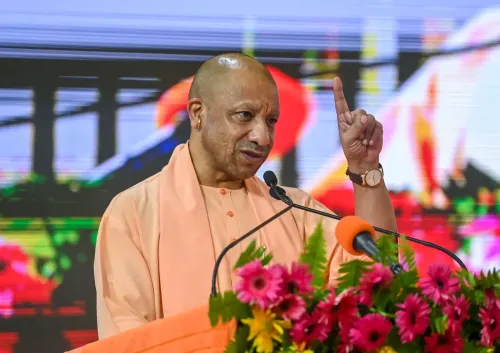
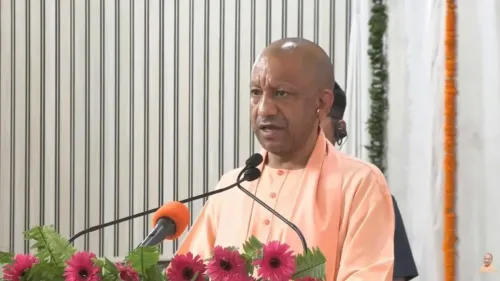
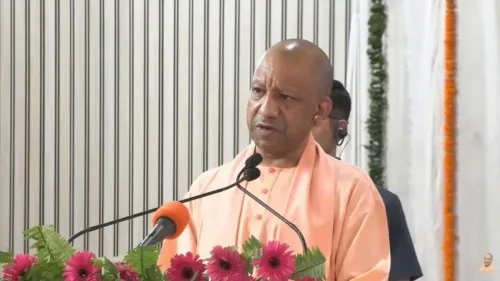
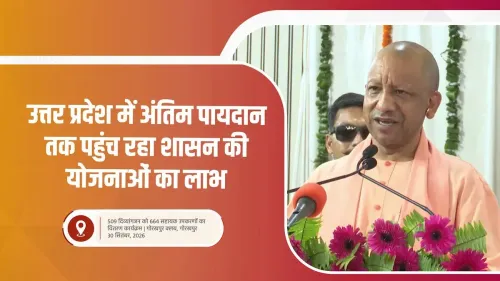
From ₹300 to ₹500, then to ₹1,000 — and now, yet another rise is coming. The Chief Minister's Office of Uttar Pradesh announced on Wednesday, September 30, 2026 that Chief Minister Yogi Adityanath has pledged a further increase in the monthly pension for divyangjan (persons with disabilities), with the hike expected within days.
In the Chief Minister's own words: 'Divyangjan ko pehle ₹300 ki pension milti thi. Humne ise pehle badhaakar ₹500 aur phir ₹1,000 kiya. Ab kuch hi dinon mein pension raashi mein aur vriddhi karne ja rahe hain.' ('Persons with disabilities previously received a pension of ₹300. We first raised it to ₹500 and then to ₹1,000. Now, within just a few days, we are going to increase the pension amount further.')
A pension that has tripled since 2017
When Yogi Adityanath assumed office as Chief Minister of Uttar Pradesh in March 2017, the monthly disability pension stood at a flat ₹300. The state government moved first to ₹500, then pushed it to ₹1,000 — more than tripling the original figure. The Divyangjan Pension scheme channels monthly financial assistance directly to registered beneficiaries across the state.
The Uttar Pradesh government has followed the same pattern for other vulnerable categories — elderly citizens and widows have also seen successive pension hikes since 2017, positioning social security payments as a recurring lever of welfare delivery in one of India's most populous states.
What changes are coming — and what is still unknown
The announcement stops short of naming a specific revised figure or an exact rollout date, leaving the precise quantum of the increase to a formal declaration in the coming days. What is clear is the direction: upward, and soon. For beneficiaries already receiving ₹1,000 a month, even a modest percentage rise translates into meaningful additional support.
Uttar Pradesh is home to one of the largest populations of persons with disabilities in India, and the scale of any pension revision here carries significant fiscal weight as well as political signal — a statement that the state's welfare architecture is not static but actively expanding.
The next move is the Chief Minister's to make — and by his own count, it is just days away.
Point of View
Visible hikes that keep the government's name attached to a beneficiary's monthly income. With Uttar Pradesh's electoral cycle always in the background, raising the floor for disabled citizens is both a genuine welfare measure and a durable political asset. The lack of a specific revised figure suggests the formal announcement may be timed for maximum visibility. Analysts will watch whether the hike keeps pace with inflation and whether beneficiary rolls have been updated to reflect actual need.
NationPress
30 Sept 2026
Frequently Asked Questions
What is the current disability pension in Uttar Pradesh?
The current monthly disability pension under the Divyangjan Pension scheme in Uttar Pradesh is ₹1,000 . CM Yogi Adityanath has announced a further increase is coming within days.
When did UP raise the disability pension from ₹300?
After Yogi Adityanath became Chief Minister in March 2017 , the pension was first raised from ₹300 to ₹500 , and subsequently increased further to ₹1,000 .
How much will the new UP disability pension be?
The exact revised amount has not been officially declared yet. CM Yogi Adityanath stated on September 30, 2026 that the new figure will be announced within a few days.
Who is eligible for the Divyangjan Pension in Uttar Pradesh?
The Divyangjan Pension scheme provides monthly financial assistance to registered persons with disabilities in Uttar Pradesh . Eligibility details are administered through the state's social welfare department.
Has UP raised pensions for other groups too?
Yes. The Uttar Pradesh government has also periodically increased social security pensions for elderly citizens and widows since 2017, as part of its broader welfare expansion.