Hombale Films Marks 4 Years of Kantara's Cultural Phenomenon
Synopsis
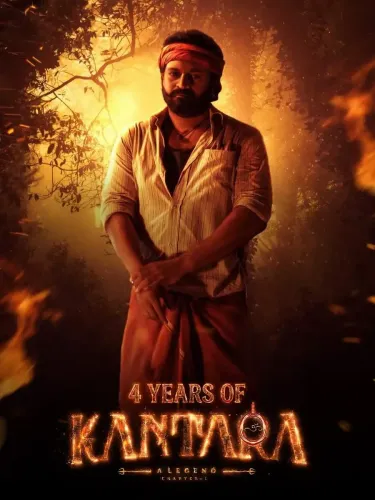
Hombale Films marked four years of Kantara on 30 September 2026, honouring Rishab Shetty's Kannada-language blockbuster that became a pan-India cultural phenomenon in 2022 with its indigenous mythology and visceral storytelling.
Key Takeaways
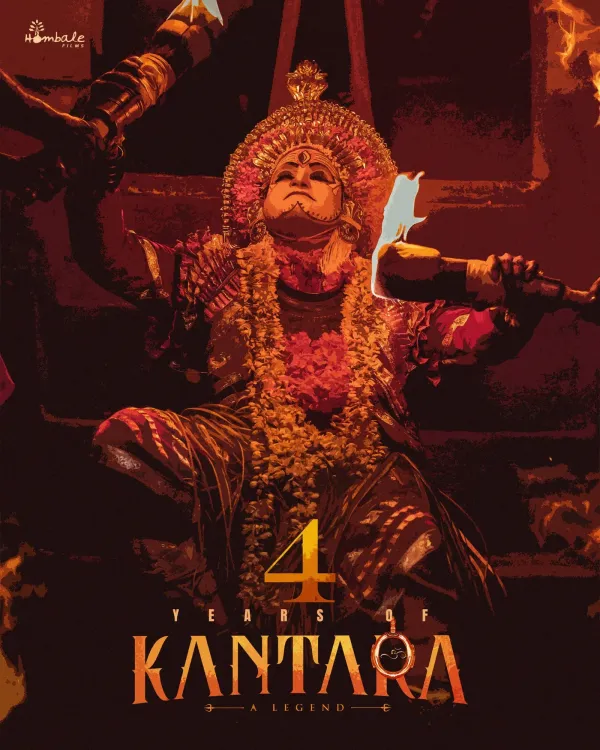
Hombale Films celebrated four years of Kantara on 30 September 2026 with a bilingual post on X in Kannada and English.
Kantara , directed by and starring Rishab Shetty , released in 2022 as a Kannada-language film rooted in coastal Karnataka's Bhoota Kola folk traditions.
The film became one of Indian cinema's most notable pan-India crossover hits, drawing audiences across language barriers nationwide.
Hombale Films also produced the KGF franchise and Salaar , establishing a pattern of large-scale, culturally rooted productions.
The anniversary post called Kantara a 'divine phenomenon' and thanked audiences for making it 'an unforgettable cinematic experience.'
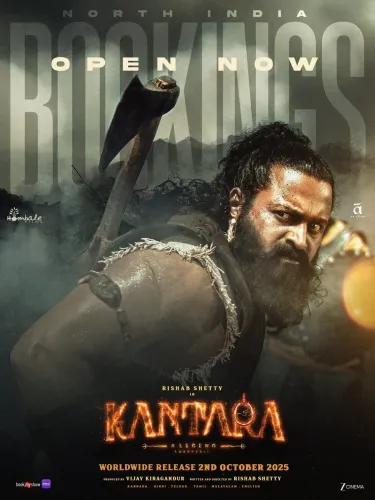
Four years ago, a film rooted in the folk traditions and forest spirit of coastal Karnataka walked into cinemas and never really left. On 30 September 2026, film studio Hombale Films marked the fourth anniversary of Kantara with a heartfelt message on X, calling it a 'divine blockbuster' and thanking the audiences who turned it into a pan-India cultural event.
Posting in both Kannada and English, Hombale Films wrote: 'ಕಾಂತಾರಕ್ಕೆ 4 ವರ್ಷ' ['4 years of Kantara'] — 'Our heartfelt gratitude to the incredible audience who made #Kantara a divine phenomenon and an unforgettable cinematic experience.' The post, tagged #4YearsOfDivineBlockbusterKantara, captures precisely the reverence the film still commands long after its theatrical run.How a Coastal Folk Tale Conquered the Nation
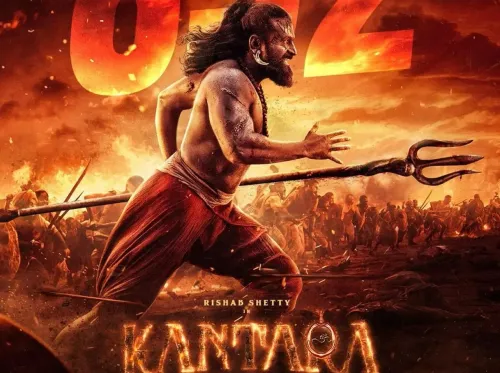
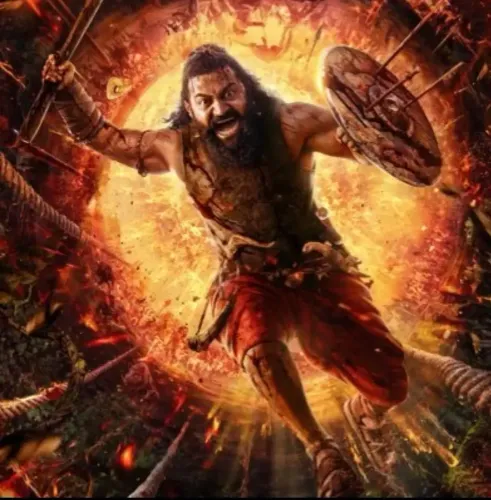
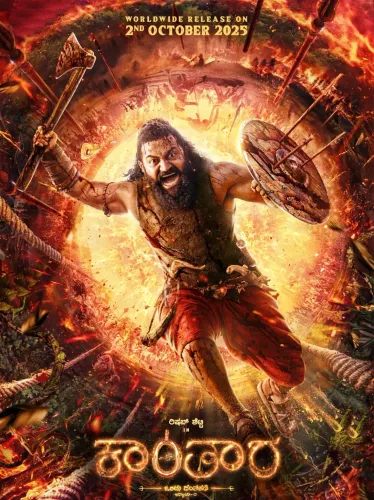
Kantara, directed by and starring Rishab Shetty, released in 2022 as a Kannada-language film steeped in the Bhoota Kola spirit-worship traditions of the Tulu Nadu region. What followed was one of Indian cinema's most striking crossover moments: audiences across language barriers, from Chennai multiplexes to Delhi single-screens, queued up for a film whose mythology and fury were entirely localised yet universally felt. The film's climactic ritual sequence became one of the most discussed cinematic moments of that year, and its soundtrack — particularly the track 'Varaha Roopam' — took on a life of its own across social media. Hombale Films, the Bengaluru-based production house, had already proven its appetite for scale with the KGF franchise. But Kantara marked a different kind of ambition — not just big numbers, but a film that sparked genuine conversations about indigenous culture, land rights, and the sacred. That combination of commercial muscle and cultural depth has become the studio's signature.Rishab Shetty's Vision and the Kannada Cinema Surge
For Rishab Shetty, Kantara was a personal project years in the making — a story drawn from the traditions of his own community. His triple role as writer, director and lead actor gave the film a coherence that audiences responded to viscerally. The performance in the film's final act in particular drew comparisons to some of the most physically committed screen work in recent Indian cinema history. Kantara's success landed as proof of a broader shift: Kannada cinema, long admired within its home state, was now commanding national box-office attention and critical conversation alongside Telugu and Tamil productions. The pan-India trend that KGF: Chapter 2 had accelerated found in Kantara a different register — quieter in its build, seismic in its release.The Legacy That Keeps the Flame Alive
Four years on, the film's cultural footprint remains visible — in film-school discussions, in OTT viewing numbers, and in the way the phrase 'Kantara moment' entered the vocabulary of Indian film criticism. Hombale Films' anniversary post, warm and unhurried, is less a marketing beat and more a studio acknowledging that some films become part of the furniture of a generation's memory. The studio's journey from KGF to Kantara to Salaar charts a production house that has consistently bet on scale with soul — and won. The question now is what story Hombale reaches for next that carries that same weight.Point of View
Not just box-office scale. In a streaming era where IP longevity is a strategic asset, keeping Kantara's memory warm four years on sustains its value on OTT catalogues and primes audiences for any sequel or spiritual successor. The post also signals to the industry that local-language storytelling with mythological depth remains a commercially viable and critically respected formula. For Hombale, Kantara is not a one-off; it is the template.
NationPress
30 Sept 2026
Frequently Asked Questions
When did Kantara release and who directed it?
Kantara released in 2022 and was directed by, written by, and starred Rishab Shetty. It is a Kannada-language film produced by Hombale Films set against the folk traditions of coastal Karnataka.
Why is Kantara called a pan-India blockbuster?
Despite being a Kannada-language film, Kantara attracted massive audiences across all major Indian languages and regions, driven by its unique mythology, the 'Bhoota Kola' ritual sequences, and powerful word-of-mouth that transcended regional boundaries.
What is Hombale Films known for?
Hombale Films is a Bengaluru-based Indian production house best known for the KGF franchise, Kantara, and Salaar — a string of pan-India hits that have elevated Kannada cinema to national commercial prominence.
Is there a Kantara sequel or new Hombale Films project announced?
As of this anniversary post, Hombale Films has not officially confirmed specific new project details. The studio has been associated with discussions around future culturally rooted narratives, but no verified announcement is attached to this celebration.
What is 'Bhoota Kola' as seen in Kantara?
'Bhoota Kola' is a traditional spirit-worship ritual practised in the Tulu Nadu region of coastal Karnataka. Kantara placed this indigenous ceremony at the centre of its story, introducing the practice to a global audience through cinema.