Smriti Irani flags Cabinet nods on Delhi traffic, MSP, green energy

Synopsis
The Union Cabinet on 30 September 2026 approved a ₹1,789.52 crore Intelligent Traffic Management System for Delhi across 42 corridors, revised Rabi crop MSPs for 2027-28, and cleared Green Energy Corridor Phase-III targeting 900 GW non-fossil capacity by 2035. BJP leader Smriti Irani highlighted the decisions on X.
Key Takeaways
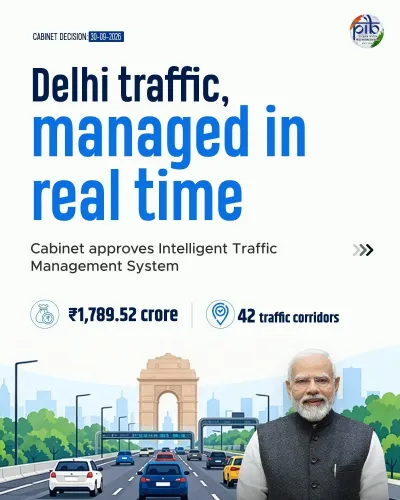
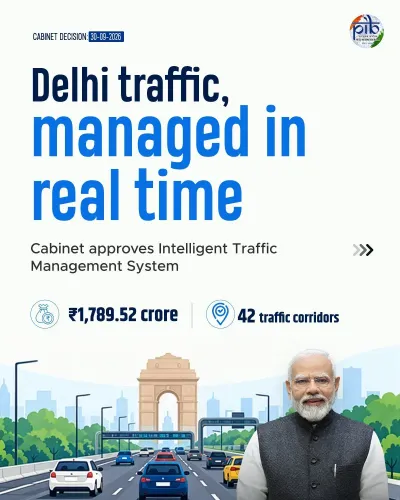
₹1,789.52 crore sanctioned for an Intelligent Traffic Management System covering 42 corridors in Delhi .
Rabi crop MSPs revised upward for Marketing Season 2027-28 , continuing an annual trend of floor-price hikes.
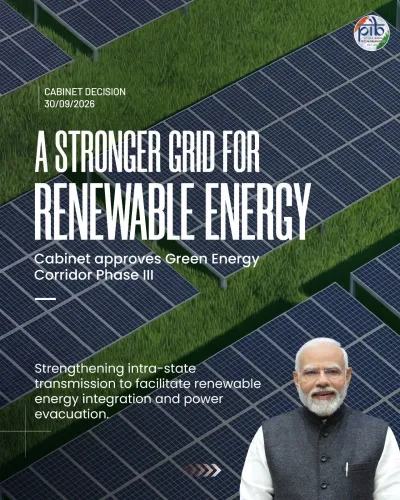
Green Energy Corridor Phase-III approved to strengthen renewable power integration into the national grid.
India's stated target stands at 900 GW installed non-fossil fuel capacity by 2035 , per the Cabinet announcement.
Phases I and II of the Green Energy Corridor were cleared between 2015 and 2020 , connecting renewable-rich states to load centres.
Rollout timelines for the Delhi ITMS and exact MSP rates for 2027-28 are the next figures to watch.
Three Cabinet decisions — spanning Delhi's gridlocked roads, a nation of farmers awaiting price certainty, and India's race toward a clean-energy grid — landed on Wednesday, 30 September 2026, and BJP leader Smriti Irani laid them out in a single post on X, framing them as a statement of intent under Prime Minister Narendra Modi.
₹1,789 crore to untangle Delhi's 42 traffic corridors
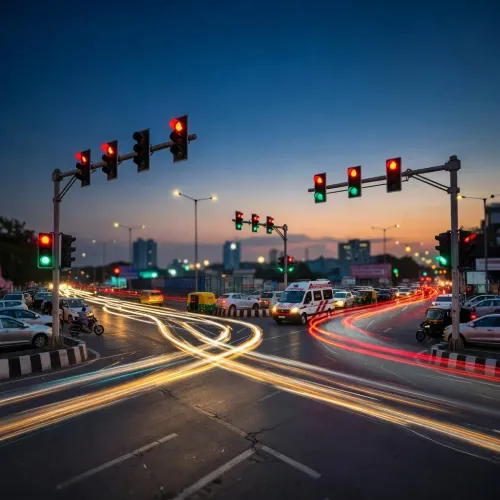
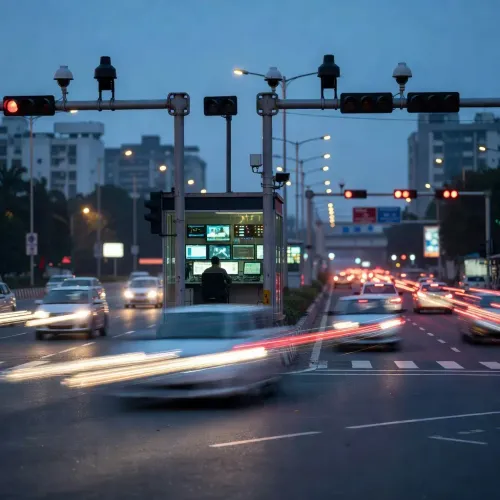
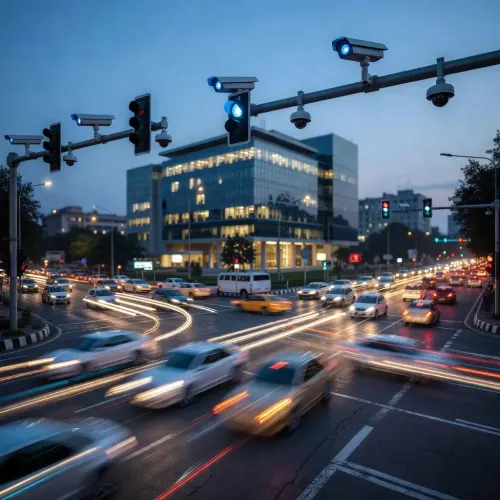
The headline infrastructure move is an Intelligent Traffic Management System (ITMS) for Delhi, covering 42 traffic corridors with a total outlay of ₹1,789.52 crore. The system promises smarter signal coordination, real-time traffic regulation, and measurably smoother commutes in a city that routinely ranks among the world's most congested capitals. It fits squarely within the technology-driven urban-solutions push that has characterised central government investment since the Smart Cities Mission launched in 2015 — but the scale here is significant: 42 corridors, a single integrated network, and a four-figure crore commitment signal that this is an execution bet, not a pilot.
Rabi MSP hike for Marketing Season 2027-28
For India's farmers, the Cabinet approved an upward revision of Minimum Support Prices (MSPs) for Rabi crops ahead of Marketing Season 2027-28 — covering staples like wheat and barley whose floor prices the government guarantees at procurement. The MSP mechanism has been revised upward annually for several consecutive years, and this cycle continues that trajectory. The timing — announced before the Rabi sowing season gets fully underway — gives farmers price visibility before seeds go into the ground. That sequencing matters: it shapes planting decisions across millions of smallholder households.
Green Energy Corridor Phase-III and the 900 GW target
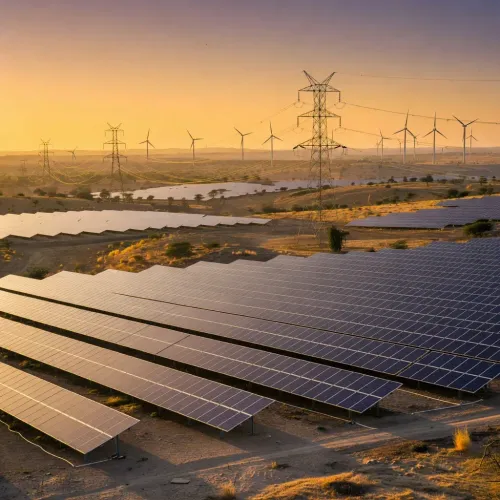
The third decision reaches furthest into the future. The Cabinet cleared Green Energy Corridor Phase-III, an inter-state transmission initiative designed to plug renewable power more deeply into the national grid. Irani's post cites a headline target: 900 GW of installed non-fossil fuel capacity by 2035. Phases I and II of the same programme were approved between 2015 and 2020 to link renewable-rich states — wind corridors in the south and west, solar parks in the desert belt — to load centres in the north and east. Phase-III extends that spine as India's renewable capacity continues to grow sharply and grid integration becomes the real bottleneck. India had already committed at COP26 in 2021 to a 500 GW non-fossil target by 2030; the 900 GW by 2035 figure, if confirmed, would represent a significant step-up in ambition.
Three decisions, one political frame
Irani's decision to bundle all three announcements under a single 'inclusive growth and sustainable development' frame is itself a political communication choice — connecting urban infrastructure (Delhi commuters), agricultural welfare (Rabi farmers), and long-horizon energy security (renewable developers and climate commitments) into a single narrative of governance delivery. The rollout timelines for the Delhi ITMS and Phase-III corridor, and the exact MSP rates for 2027-28, will be the next benchmarks watchers track.
A traffic grid, a crop price, a power corridor — three very different promises, all signed on the same afternoon. Now comes the hard part: delivery.
Point of View
Then frame all three as a single governance story. The Delhi ITMS is notable for its scale — 42 corridors and a near-₹1,800 crore ticket — but the Green Energy Corridor Phase-III carries the greatest long-run consequence, as grid integration rather than generation capacity is increasingly the binding constraint on India's renewable ambitions. The Rabi MSP revision, announced ahead of sowing, is as much political sequencing as it is agricultural policy. Cumulatively, the decisions reinforce the Modi government's pattern of blending technology, welfare and climate commitments into a single 'viksit Bharat' narrative heading into the second half of the decade.
NationPress
30 Sept 2026
Frequently Asked Questions
What is the Intelligent Traffic Management System approved for Delhi?
The Union Cabinet approved an Intelligent Traffic Management System for Delhi covering 42 traffic corridors at a total outlay of ₹1,789.52 crore . It will enable smarter signal coordination and real-time traffic regulation to reduce congestion across the capital.
Which Rabi crops will benefit from the MSP hike for 2027-28?
The Cabinet revised MSPs for Rabi crops for Marketing Season 2027-28 . Rabi crops typically include wheat, barley, gram, mustard and lentils — staples for which the government guarantees a floor procurement price.
What is Green Energy Corridor Phase-III?
Green Energy Corridor Phase-III is the latest stage of an inter-state transmission programme designed to connect renewable energy generation to the national grid. Phases I and II were approved between 2015 and 2020; Phase-III supports India's target of 900 GW non-fossil fuel capacity by 2035 .
What is India's renewable energy target by 2035?
According to the Cabinet announcement highlighted by Smriti Irani, India is targeting 900 GW of installed non-fossil fuel capacity by 2035 . India had earlier pledged 500 GW non-fossil capacity by 2030 at COP26.
Why did Smriti Irani post about Cabinet decisions?
Smriti Irani , a senior BJP leader and former Union Minister, regularly communicates government policy decisions on social media. Her post on 30 September 2026 outlined three Cabinet approvals — on Delhi traffic, Rabi MSPs, and the Green Energy Corridor — crediting the decisions to PM Narendra Modi's leadership.