CM Yogi backs India's right to Air Strike, Surgical Strike post-2014
Synopsis
Uttar Pradesh Chief Minister Yogi Adityanath declared on 27 June 2026 that since 2014, India has the resolve to confront its enemies directly and that no force can prevent the country from conducting air strikes or surgical strikes when necessary.
Key Takeaways
CM Yogi Adityanath posted on 27 June 2026 asserting India's post-2014 military assertiveness.
He stated that since 2014 , India has the capability to 'look the enemy in the eye' and that nothing can stop air strikes or surgical strikes.
India conducted Surgical Strikes across the Line of Control in September 2016 after the Uri attack .
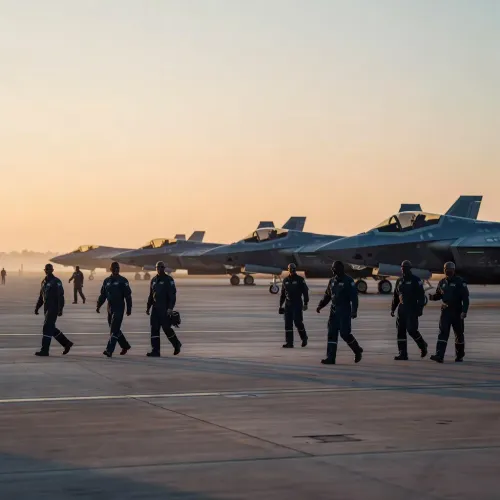
The Indian Air Force struck a Jaish-e-Mohammed camp at Balakot in February 2019 — the first such strike inside Pakistan since 1971 .
The remarks reinforce the BJP 's stated zero-tolerance policy on cross-border terrorism under Prime Minister Narendra Modi .
Uttar Pradesh , India's most populous state, has a significant base of serving and retired military personnel, amplifying the political resonance of such statements.
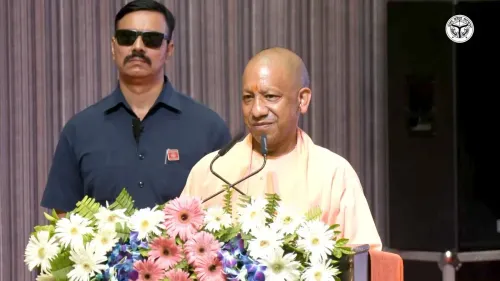
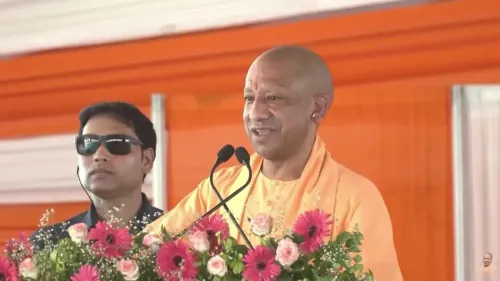
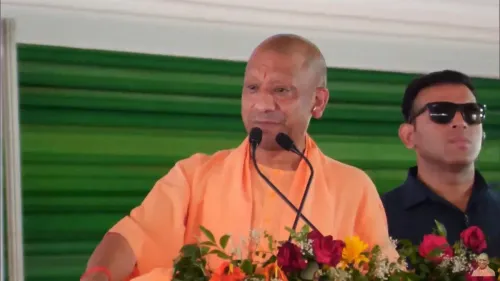
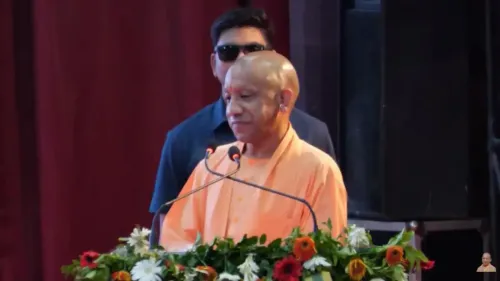
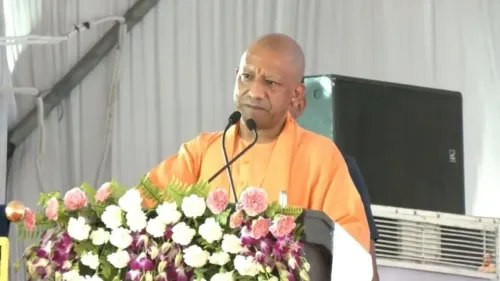
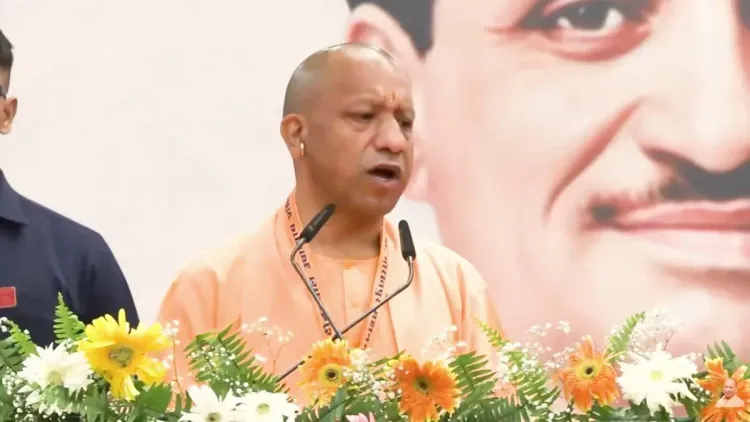
Uttar Pradesh Chief Minister Yogi Adityanath on Saturday, 27 June 2026 invoked India's post-2014 military assertiveness, declaring that the country now has the capability to look its enemies in the eye — and that nothing can stop it from carrying out air strikes or surgical strikes when required.
In his post on X, CM Yogi wrote: 'वर्ष 2014 के बाद से भारत में दुश्मन की आंख से आंख मिलाने की सामर्थ्य है... ...तो Air Strike और Surgical Strike से भी कोई रोक नहीं सकता है...' — translated: 'Since the year 2014, India has the capability to look the enemy in the eye... and then nothing can stop an Air Strike or a Surgical Strike either.'
Context
Yogi Adityanath is among the most prominent state-level voices within the Bharatiya Janata Party to consistently endorse the central government's national-security posture. His remarks align the BJP's political messaging with India's documented record of cross-border military action since 2014. The post carries a video, suggesting the statement may be drawn from a speech or public address, though the exact occasion has not been independently confirmed.
Policy Backdrop
India's shift from strategic restraint to calibrated, publicly acknowledged retaliation is anchored in two landmark operations. In September 2016, following the Uri attack, the Indian Army conducted Surgical Strikes across the Line of Control, targeting terrorist launch pads — the first time India publicly confirmed such an operation. In February 2019, after the Pulwama attack, the Indian Air Force struck a Jaish-e-Mohammed facility at Balakot inside Pakistani territory, marking the first Indian airstrike inside Pakistan since 1971.
Both operations were conducted under the tenure of Prime Minister Narendra Modi, whose government has made zero tolerance toward cross-border terrorism a cornerstone of its national-security doctrine. Changes to rules of engagement and a greater emphasis on preventive action have accompanied this posture shift.
Stakeholders and Impact
The statement carries weight for India's armed forces and the broader security establishment, reinforcing political backing for assertive military options. For the BJP, such messaging serves to consolidate the party's image as a strong-on-security political force ahead of any electoral cycle. Opposition parties have historically questioned the operational details of both the 2016 Surgical Strike and the 2019 Balakot airstrike, making the subject a recurring flashpoint in national political discourse.
At the regional level, Uttar Pradesh — India's most populous state — has a large base of serving and retired military personnel, making defence-related statements by its Chief Minister politically resonant on the ground.
What's Next
Observers will watch for any follow-up parliamentary statements on India's defence posture or updates to military rules of engagement in the coming legislative session. If the video attached to CM Yogi's post is from a formal event, further elaboration on the occasion could add context to the remarks. The statement reinforces a pattern in which senior BJP leaders frame post-2014 India as a qualitatively different strategic actor — one willing and able to project force beyond its borders when national security demands it.
Point of View
He collapses the distinction between the two operations into a single, unified narrative of BJP-era boldness. The remark also serves a mobilisation function: in a state with deep military ties like Uttar Pradesh, defence nationalism is a durable vote-getter. Taken alongside similar statements by other senior BJP leaders, it suggests the party is actively reinforcing its strong-on-security brand as a long-term electoral and ideological asset.
NationPress
26 Sept 2026
Frequently Asked Questions
What did CM Yogi Adityanath say about surgical strikes?
On 27 June 2026, CM Yogi Adityanath stated that since 2014, India has the capability to look its enemies in the eye, and that nothing can stop it from carrying out air strikes or surgical strikes.
What was the 2016 Surgical Strike?
The 2016 Surgical Strike was an Indian Army operation conducted across the Line of Control in September 2016, targeting terrorist launch pads in response to the Uri attack. It was the first time India publicly confirmed such a cross-border operation.
What was the Balakot airstrike?
The Balakot airstrike was an Indian Air Force operation in February 2019 that struck a Jaish-e-Mohammed facility inside Pakistani territory following the Pulwama attack. It was the first Indian airstrike inside Pakistan since 1971.
Why does CM Yogi refer to 2014 in his defence statements?
2014 marks the year Prime Minister Narendra Modi came to power. The BJP frames this year as a turning point after which India adopted a more assertive national-security posture, replacing earlier strategic restraint with calibrated, publicly acknowledged military retaliation.
What is India's current policy on cross-border terrorism?
Under the Modi government, India has adopted a stated zero-tolerance policy toward cross-border terrorism, backed by a willingness to conduct publicly acknowledged military operations such as the 2016 Surgical Strike and the 2019 Balakot airstrike.