CM Yogi on BrahMos Strike: Pakistan Begged World for Mercy
Synopsis
Uttar Pradesh Chief Minister Yogi Adityanath declared on June 21, 2026 that Pakistan was left scrambling for international sympathy after BrahMos missiles were fired during 'Operation Sindoor', reinforcing the BJP's political messaging around India's military assertiveness against cross-border threats.
Key Takeaways
CM Yogi Adityanath posted on June 21, 2026 asserting that Pakistan was left pleading with the world after BrahMos missiles were fired during 'Operation Sindoor' .
The BrahMos supersonic cruise missile is a joint India-Russia venture inducted into all three Indian armed services since 2005 .
India's doctrine of cross-border military response was established through the 2016 surgical strikes and the February 2019 Balakot airstrike .
BJP leaders have consistently used references to military operations and missile capability as part of national security political messaging.
The post included a video and was made in Hindi , broadening its reach to a mass domestic audience.
Further clarity on 'Operation Sindoor' is expected from the Union Defence Ministry and parliamentary proceedings.
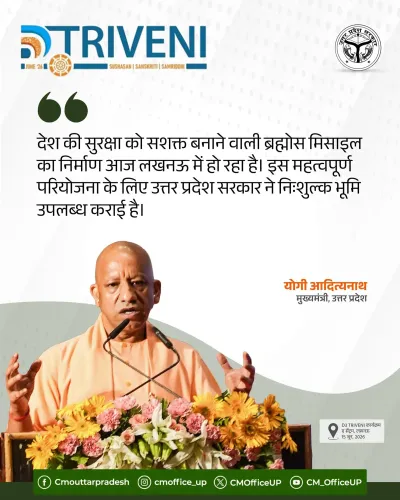
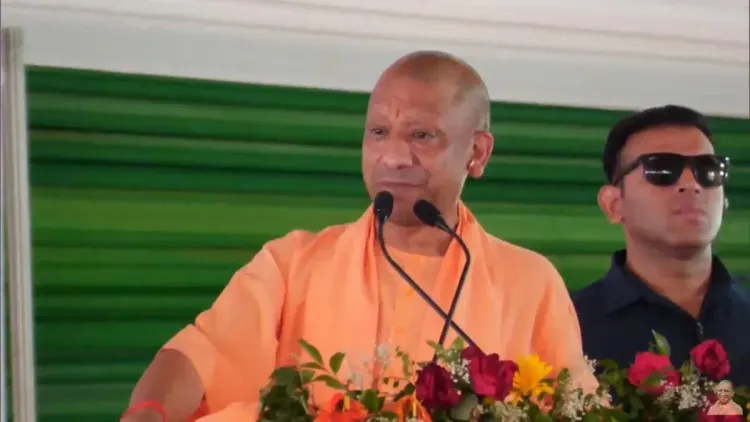
Uttar Pradesh Chief Minister Yogi Adityanath took to X on Sunday, June 21, 2026, to assert that when BrahMos missiles were fired during 'Operation Sindoor', Pakistan was left scrambling across the world, pleading for forgiveness. The post, shared in Hindi, drew sharp attention for its pointed reference to India's missile capability and Pakistan's alleged diplomatic desperation in the aftermath.
Context
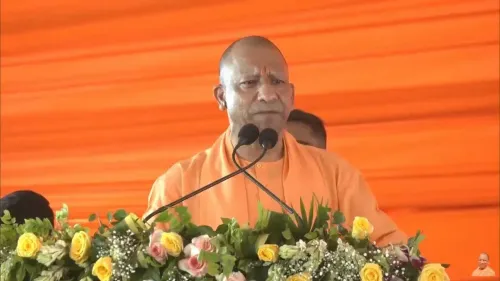
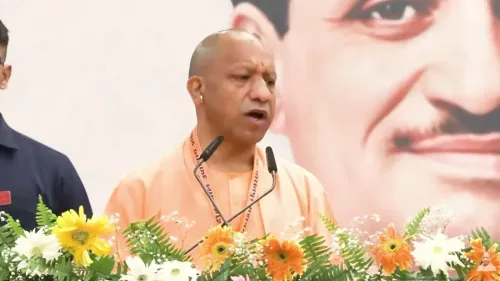
In his post, CM Yogi wrote that on the day the BrahMos missile was fired during 'Operation Sindoor', Pakistan was 'haye tauba karte hue' [crying out in distress] and roaming the world seeking apologies. The statement is a rhetorical assertion framed around India's military response, portraying Pakistan as having been left without recourse after the strike. The post accompanies a video, the contents of which have not been independently detailed in available information.
BrahMos is a supersonic cruise missile developed by BrahMos Aerospace, a joint venture between India and Russia. It has been progressively inducted into the Indian Army, Navy, and Air Force since 2005, and is considered a cornerstone of India's conventional deterrence posture along the western border.
Policy Backdrop
India's posture of calibrated military response to cross-border incidents has evolved significantly over the past decade. The 2016 surgical strikes across the Line of Control, carried out following the Uri attack, marked a shift in India's declared willingness to act across the border. The Balakot airstrike of February 2019, targeting alleged terrorist infrastructure inside Pakistan, further entrenched this doctrine in public and political discourse.
The BrahMos missile system's role in India's defence architecture has grown considerably, with multiple successful tests recorded through 2022 and continued integration across service branches. Political leaders from the ruling BJP have frequently highlighted these capabilities in public messaging, framing them as evidence of India's strengthened security posture under the current government.
Stakeholders and Impact
CM Yogi's statement is likely to resonate with defence-conscious voters and communities in Uttar Pradesh and beyond, where military pride and national security are politically salient issues. Border communities and defence forces remain the most directly affected stakeholders in any real or rhetorical escalation narrative involving Pakistan.
For Pakistan, such statements from senior Indian political figures add to the diplomatic pressure that typically accompanies periods of bilateral tension. The framing of Pakistan as having sought international sympathy while India acted decisively is consistent with a broader BJP political narrative that has been prominent since 2016.
What's Next
Attention will now turn to any formal statements from the Union Defence Ministry or the Indian armed forces regarding BrahMos integration milestones or operational details related to 'Operation Sindoor'. Parliamentary discussions on defence acquisitions and the missile programme's next phase of induction are also expected to draw scrutiny. CM Yogi's post signals that the political conversation around India's military assertiveness is far from over, and is likely to remain a prominent theme in the run-up to future electoral cycles.
Point of View
The statement serves both a domestic audience hungry for assertive nationalism and a broader signalling function toward Islamabad. The reference to 'Operation Sindoor' — whose details remain officially unverified — suggests that political communication around the operation is being actively shaped ahead of any formal government disclosure. This pattern mirrors the post-Balakot information environment of 2019, where political leaders moved swiftly to claim the narrative before institutional accounts were fully public.
NationPress
20 Sept 2026
Frequently Asked Questions
What did CM Yogi Adityanath say about Operation Sindoor and BrahMos?
CM Yogi Adityanath stated on June 21, 2026 that when BrahMos missiles were fired during 'Operation Sindoor', Pakistan was left in distress and went around the world seeking apologies, underscoring India's military decisiveness.
What is the BrahMos missile?
BrahMos is a supersonic cruise missile developed by BrahMos Aerospace, a joint venture between India and Russia. It has been in service with the Indian Army, Navy, and Air Force since 2005 and is a key part of India's conventional deterrence.
What is Operation Sindoor?
'Operation Sindoor' is referenced by CM Yogi Adityanath in connection with a BrahMos missile strike against Pakistan. Official details of the operation have not been independently confirmed from available public records.
Has India used BrahMos missiles against Pakistan before?
There is no verified public record of BrahMos missiles being used in combat against Pakistan prior to the claims referenced in CM Yogi's June 2026 post. India has conducted surgical strikes in 2016 and the Balakot airstrike in 2019, but those did not involve BrahMos.
Why do BJP leaders frequently mention BrahMos and military operations?
BJP leaders have consistently highlighted India's military capabilities and past operations as part of their national security political messaging, framing these as evidence of a stronger and more decisive India under the current government.