CM Yogi backs Modi's vision of public money for public good
Synopsis
Uttar Pradesh Chief Minister Yogi Adityanath on 26 May 2026 publicly endorsed PM Narendra Modi's governance vision — that public money must be spent in the public interest — reinforcing the BJP-led push for transparent, technology-driven welfare delivery through mechanisms like Direct Benefit Transfer.
Key Takeaways
CM Yogi Adityanath posted on 26 May 2026 reaffirming that public money must be spent in the public interest, attributing this as PM Modi 's core governance vision.
The statement aligns with the BJP -led government's emphasis on transparent fiscal management since 2014 .
The Direct Benefit Transfer (DBT) mechanism, linking Aadhaar to welfare payments, is the primary policy instrument underpinning this philosophy.
Uttar Pradesh , as India's most populous state, is a major implementer of centrally sponsored welfare schemes and a key testing ground for anti-leakage measures.
Key stakeholders include taxpayers and welfare beneficiaries such as farmers, women, and pensioners across the state.
Upcoming Comptroller and Auditor General reports and UP budget presentations will be watched for evidence of on-ground impact.
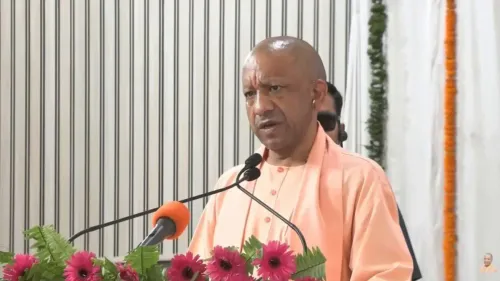
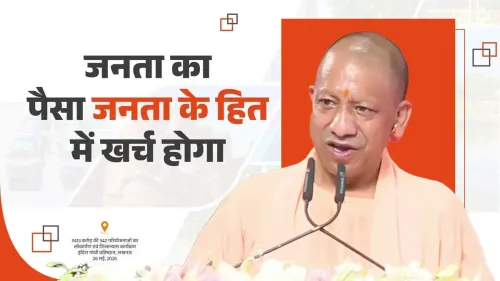
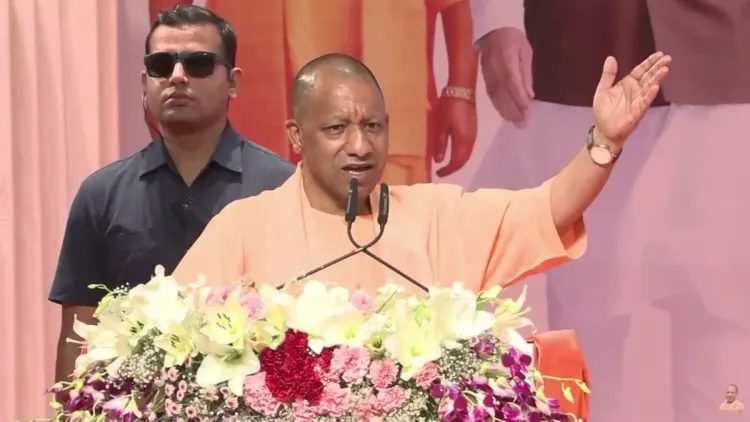
Uttar Pradesh Chief Minister Yogi Adityanath on Tuesday, 26 May 2026, reaffirmed Prime Minister Narendra Modi's governance philosophy, stating that public money must be spent in the public interest — a principle he described as central to the Prime Minister's vision for India.
Posting on X, CM Yogi wrote in Hindi: 'जनता का पैसा, जनता के हित में खर्च होगा' ['Public money will be spent in the public interest'], adding that this is the vision of 'respected Prime Minister Shri Narendra Modi ji.'
Context
The statement comes as both the central government and Uttar Pradesh state administration have consistently championed transparent, technology-driven public expenditure. CM Yogi, who has led Uttar Pradesh since 2017, has frequently aligned state-level fiscal priorities with the BJP-led central government's emphasis on accountability in welfare delivery.
The post, though brief, is a public articulation of a governance doctrine that has shaped policy decisions across ministries and state departments under the Modi government since 2014.
Policy Backdrop
At the core of this philosophy is the Direct Benefit Transfer (DBT) mechanism, rolled out from 2013 onward and significantly expanded under the Modi government. By linking Aadhaar to welfare payments, DBT aims to eliminate intermediaries and reduce leakages that historically siphoned off funds meant for beneficiaries.
Successive union budgets have highlighted DBT as a key instrument for fiscal discipline, with cumulative transfers running into tens of lakh crore rupees across schemes covering food, fertiliser, gas subsidies, and cash assistance to farmers, women, and the elderly. Uttar Pradesh, as India's most populous state, is among the largest recipients and implementers of centrally sponsored welfare schemes.
Stakeholders and Impact
The principle directly affects two broad groups: taxpayers, who expect that revenues are deployed efficiently without corruption or waste, and welfare beneficiaries — farmers, daily-wage workers, women under self-help groups, and pensioners — who depend on timely and full disbursement of entitlements.
Anti-leakage drives in Uttar Pradesh have included periodic audits of beneficiary databases to weed out ghost entries, and the state has used technology platforms to track fund utilisation at the district and block levels. Transparency in public spending has also been a recurring theme in CM Yogi's administrative messaging since taking office.
What's Next
Observers will watch Uttar Pradesh's forthcoming budget presentations and audit outcomes — particularly Comptroller and Auditor General reports on fund utilisation efficiency — to assess how closely stated principles translate into measurable outcomes on the ground.
As the BJP continues to position transparent governance as a political and policy differentiator ahead of future electoral cycles, statements like this one signal that the 'public money for public good' narrative will remain a central pillar of both central and state-level communication strategies.
Point of View
Concise endorsement of a governance narrative that the BJP has cultivated since 2014 — positioning itself as the party that plugged decades of welfare leakage through technology. By explicitly crediting PM Modi's 'vision,' Yogi reinforces the vertical alignment between Lucknow and Delhi, a consistent feature of his administration. The timing and brevity suggest this is as much political signalling as policy statement, keeping the anti-corruption, pro-beneficiary message alive in the public discourse. It also sets a benchmark against which Uttar Pradesh's own fund utilisation record will inevitably be measured.
NationPress
10 Oct 2026
Frequently Asked Questions
What did CM Yogi Adityanath say about public money on 26 May 2026?
CM Yogi Adityanath stated that public money will be spent in the public interest, describing this as PM Narendra Modi's core governance vision. He posted this in Hindi on X, reinforcing the BJP's long-standing emphasis on transparent welfare delivery.
What is the Direct Benefit Transfer scheme and how does it relate to this post?
Direct Benefit Transfer (DBT) is a government mechanism that transfers welfare payments directly to beneficiaries' bank accounts linked to Aadhaar, cutting out middlemen and reducing leakages. CM Yogi's statement about public money being used for public good directly echoes the philosophy behind DBT, which the Modi government has expanded significantly since 2014.
Why is Uttar Pradesh significant in India's welfare spending?
Uttar Pradesh is India's most populous state and one of the largest recipients and implementers of centrally sponsored welfare schemes. Efficient fund utilisation in UP has a major impact on national welfare delivery outcomes, making governance statements by CM Yogi particularly consequential.
What is CM Yogi Adityanath's governance record on public spending transparency?
Since taking office in 2017, CM Yogi Adityanath has overseen periodic audits of beneficiary databases to remove ghost entries and has used technology platforms to track fund utilisation at district and block levels, aligning UP's approach with the central government's DBT-driven model.
What should we watch for after CM Yogi's statement on public money?
Analysts will monitor upcoming Uttar Pradesh budget presentations and Comptroller and Auditor General reports on fund utilisation efficiency to assess whether the stated principle of spending public money in the public interest is reflected in measurable outcomes on the ground.