CM Yogi calls Gomti 'soul of Lucknow' at Gomti Utsav-2026 close
Synopsis
Chief Minister Yogi Adityanath closed Gomti Utsav-2026 at Central Sanskrit University, Lucknow on 15 November 2026, calling the Gomti River 'the soul of Lucknow' and conferring the Gomti Gaurav Samman on distinguished individuals across fields.
Key Takeaways
CM Yogi Adityanath attended the closing ceremony of Gomti Utsav-2026 on 15 November 2026 at Central Sanskrit University, Lucknow .
He described the Gomti River as 'the soul of Lucknow' and honoured it with the title Aadi Ganga .
The Gomti Gaurav Samman was awarded to distinguished individuals who have made notable contributions across different fields.
CM Yogi linked river civilisations globally, arguing every great culture developed along a riverbank.
The event was hosted at the Central Sanskrit University , reinforcing the festival's dual focus on river heritage and traditional knowledge.
The festival aligns with the broader Namami Gange programme framework, which includes rejuvenation of Ganga tributaries such as the Gomti.
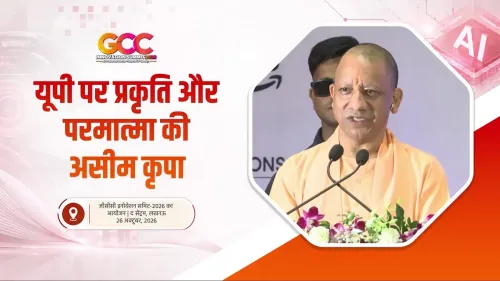
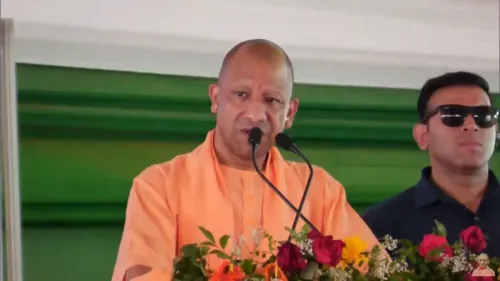
Every great civilisation was cradled by a river — and Uttar Pradesh Chief Minister Yogi Adityanath made exactly that point on Sunday, 15 November 2026, as he presided over the closing ceremony of Gomti Utsav-2026 at the Central Sanskrit University, Lucknow. The evening culminated in the presentation of the 'Gomti Gaurav Samman' — an honour bestowed on individuals who have made outstanding contributions across diverse fields.
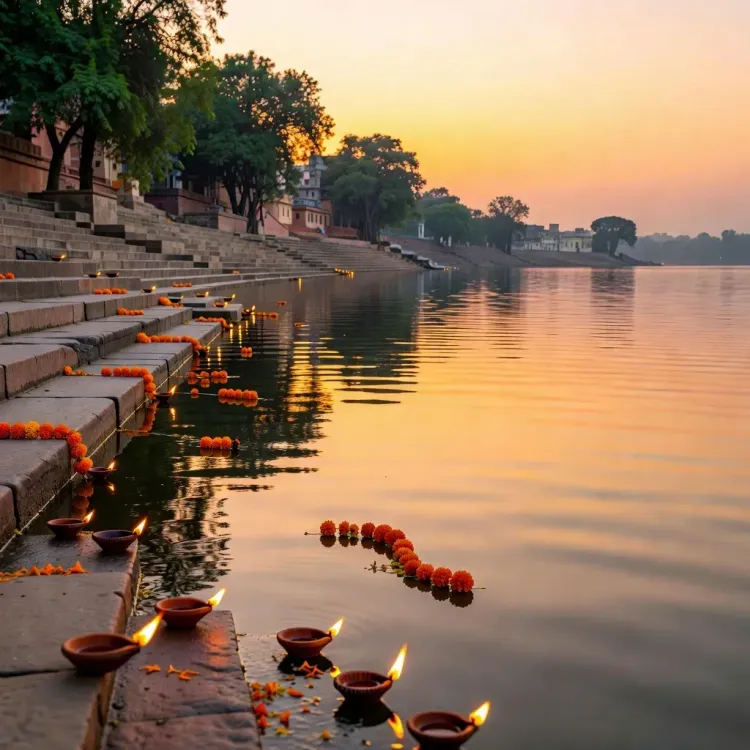
Speaking at the event, CM Yogi Adityanath declared that the Gomti River is nothing less than the soul of Lucknow. 'The Gomti is the soul of Lucknow,' he said, adding that the river is revered in this region as Aadi Ganga — the primordial Ganga. His central argument was sweeping in scope: every civilisation and culture that has flourished anywhere in the world has done so on the banks of some river or another.
Gomti as Lucknow's civilisational spine
The Gomti is a tributary of the Ganga, coursing directly through the heart of Lucknow, and has shaped the city's geography, culture, and identity for centuries. The reference to it as Aadi Ganga — a designation that places it within the same sacred register as the Ganga itself — underlines the river's spiritual and cultural weight for the region's residents. For the Chief Minister, invoking that lineage was not merely ceremonial; it was a framing of Lucknow's place within India's broader civilisational story.
The Gomti Gaurav Samman was awarded to notable figures from various walks of life at the ceremony. While the specific recipients of the 2026 edition are yet to be independently detailed, the award's design — recognising cross-disciplinary excellence at a river-centric cultural festival — reflects Uttar Pradesh's established practice of weaving heritage, environmental consciousness, and public recognition into a single civic moment.
Central Sanskrit University and the river-culture axis
The choice of the Central Sanskrit University as the venue was itself pointed. The institution, a central government body dedicated to advancing Sanskrit studies and traditional Indian knowledge systems, provided a fitting intellectual backdrop for a festival anchored in civilisational themes. Sanskrit scholarship and river culture have historically been intertwined in this part of the Gangetic plain, and hosting the closing ceremony here reinforced that connection.
Uttar Pradesh has increasingly used river-centric cultural events as a platform that braids together conservation messaging and heritage promotion — a pattern consistent with the broader national Namami Gange programme launched in 2014, which included rejuvenation components for Ganga tributaries including the Gomti. Gomti Utsav fits squarely within that tradition, extending the conversation from ecology into culture and identity.
The Gomti's story, in Yogi Adityanath's telling, is not just Lucknow's — it is humanity's oldest story. Where rivers flow, civilisations follow. The question now is what concrete riverfront steps follow the applause.
Point of View
The administration reinforces a broader ideological project that links river conservation with cultural nationalism. This approach also gives the state a soft platform to claim progress on river rejuvenation without necessarily detailing measurable outcomes. The award mechanism, the Gomti Gaurav Samman, adds a local prestige economy to this framework — deepening community buy-in around the river-as-heritage narrative.
NationPress
15 Nov 2026
Frequently Asked Questions
What is Gomti Utsav 2026?
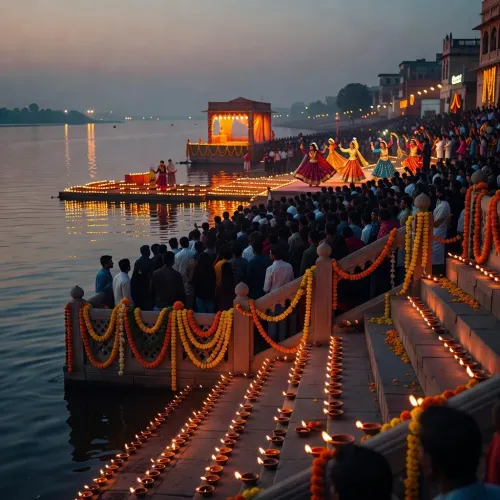
Gomti Utsav-2026 is a cultural festival held in Lucknow centred on the Gomti River, blending heritage promotion, environmental messaging, and civic recognition. Its 2026 closing ceremony was held at Central Sanskrit University on 15 November.
What is the Gomti Gaurav Samman?
The Gomti Gaurav Samman is an award presented at Gomti Utsav to individuals who have made outstanding contributions across various fields. It was conferred at the 2026 closing ceremony attended by CM Yogi Adityanath.
Why is the Gomti River called Aadi Ganga?
The Gomti is referred to as Aadi Ganga — the primordial Ganga — in regional tradition, reflecting its sacred and cultural significance in the Lucknow area. CM Yogi Adityanath invoked this designation at the Gomti Utsav-2026 closing ceremony.
Where is Central Sanskrit University in Lucknow?
The Central Sanskrit University has a campus in Lucknow, Uttar Pradesh. It is a central government institution dedicated to Sanskrit studies and the promotion of traditional Indian knowledge systems.
What is the Namami Gange programme's connection to the Gomti River?
The Namami Gange programme, launched by the central government in 2014, includes rejuvenation components for Ganga tributaries. The Gomti, as one such tributary flowing through Lucknow, is part of that broader conservation framework.