CM Yogi Contrasts Pre-2017 UP Riots With BJP Rule
Synopsis
Uttar Pradesh Chief Minister Yogi Adityanath on 23 July 2026 posted on X contrasting the communal riots and anarchy of the pre-2017 era with BJP rule, while accusing unnamed opposition figures of cynically adopting religious devotion after previously attacking faith. The post reinforces the BJP's core governance and cultural narrative in India's most populous state.
Key Takeaways
Yogi Adityanath posted on 23 July 2026 contrasting pre- 2017 riots and anarchy in Uttar Pradesh with the current BJP government's record.
He accused unnamed political actors who 'attacked faith' before 2017 of now claiming to be the 'biggest believers.' The BJP won the Uttar Pradesh assembly elections in March 2017 on a platform that prominently featured law-and-order promises.
Yogi Adityanath serves both as Chief Minister and as head of the Gorakhnath Math , lending him dual authority on governance and religious matters.
Opposition parties in Uttar Pradesh are expected to contest the Chief Minister's characterisation of the pre- 2017 period.
The post aligns with the BJP's long-term state-level strategy of linking administrative achievements with cultural and religious identity.
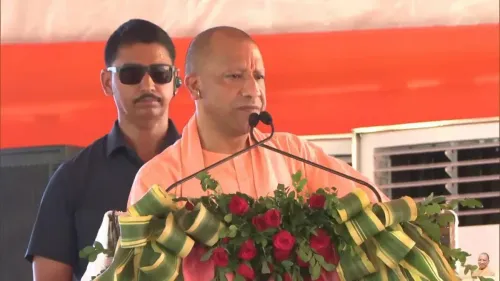
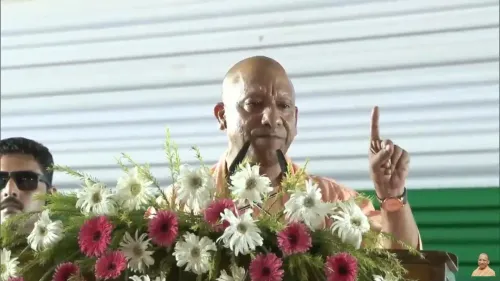
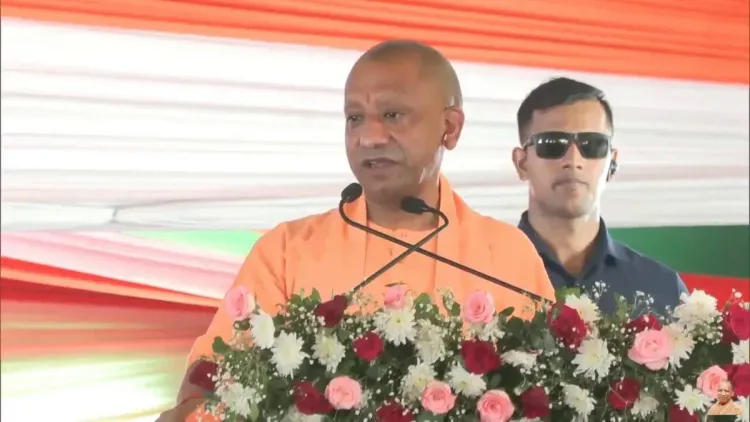
Uttar Pradesh Chief Minister Yogi Adityanath on Thursday, 23 July 2026, took to X to draw a sharp contrast between the law-and-order situation in Uttar Pradesh before 2017 and the years since the Bharatiya Janata Party came to power, accusing the opposition of hypocrisy on matters of religious faith.
In his post, the Chief Minister wrote in Hindi: 'वर्ष 2017 के पहले दंगे होते थे, अराजकता चरम पर थी... जो आस्था पर उस समय प्रहार करते थे, आज वे सबसे बड़े आस्थावान बनने का ठेका ले चुके हैं...' — translated: 'Before 2017, riots used to happen, anarchy was at its peak... those who attacked faith at that time have now taken upon themselves the contract of becoming the biggest believers.'
Context
The post is part of a recurring political argument that Yogi Adityanath and the BJP have advanced since 2017, positioning the current government as a stabilising force that ended communal violence in Uttar Pradesh. The Chief Minister's phrasing — 'anarchy was at its peak' — echoes language used by the party during the 2017 assembly election campaign, when law and order was a central plank. The second clause, accusing unnamed political actors of now claiming religious devotion, is a pointed critique of opposition parties without naming them directly.
Uttar Pradesh, India's most populous state, witnessed several episodes of communal tension in the years preceding 2017. The BJP's landslide victory in the March 2017 assembly elections brought Yogi Adityanath to the Chief Minister's office, after which the government made law and order a flagship administrative priority.
Policy Backdrop
Since assuming office, the Yogi Adityanath government has consistently cited reductions in communal incidents as evidence of improved governance. The administration has used measures including the deployment of anti-riot units, stricter enforcement of existing laws, and high-profile action against those accused of inciting violence, as part of its law-and-order narrative.
The second strand of the Chief Minister's post — the charge of opportunistic religiosity — fits within the BJP's broader state-level messaging, which frames opposition engagement with temples, pilgrimages, and religious events as politically motivated, contrasting it with what the party describes as its own consistent cultural and spiritual commitments. Yogi Adityanath, as head of the Gorakhnath Math in Gorakhpur, occupies a unique position that allows him to speak on matters of faith with religious as well as political authority.
Stakeholders and Impact
The post is directed implicitly at opposition parties active in Uttar Pradesh, particularly those that have in recent years made visible outreach to Hindu voters through temple visits and religious messaging. Victims of communal violence from the pre-2017 period remain a politically significant constituency whose experiences the ruling party regularly invokes.
For the BJP, the message serves to consolidate its core voter base ahead of any future electoral cycle by reinforcing the party's claim to both administrative competence and cultural authenticity. Opposition parties are likely to respond by contesting the government's characterisation of the pre-2017 record and questioning the Chief Minister's selective framing.
What's Next
Responses from opposition parties in Uttar Pradesh are expected in the coming days, with counter-narratives likely to challenge the government's account of communal peace and law-and-order improvements. Any official state data releases on crime or communal incidents in the months ahead will be closely watched as a factual reference point in this ongoing political debate.
As Uttar Pradesh remains the most electorally significant state in India, the Chief Minister's choice to publicly revisit the 2017 governance contrast suggests the BJP intends to keep this narrative prominent — framing the decade since its first election victory as a period of restored order and authentic cultural stewardship.
Point of View
He targets two vulnerabilities of the opposition simultaneously — their governance record and their recent pivot toward Hindu outreach. The timing, well outside any immediate electoral cycle, suggests the party is engaged in continuous narrative maintenance rather than reactive campaigning. This dual-track messaging — administrative credibility plus cultural authenticity — is likely to define the BJP's communication strategy in UP through the next assembly election.
NationPress
23 Jul 2026
Frequently Asked Questions
What did CM Yogi Adityanath say in his 23 July 2026 X post?
Yogi Adityanath said that before 2017 riots were common and anarchy was at its peak in Uttar Pradesh, and that those who had attacked religious faith at that time were now claiming to be the biggest believers.
What was the law-and-order situation in Uttar Pradesh before 2017?
Uttar Pradesh experienced several episodes of communal tension and violence in the years before 2017, which became a major issue in the state assembly elections that year and helped the BJP win a landslide majority.
Why does Yogi Adityanath keep referring to 2017 as a turning point?
The BJP came to power in Uttar Pradesh in March 2017 after winning the assembly elections on a platform that included strong law-and-order and cultural promises; the party consistently uses 2017 as a before-and-after marker to highlight its governance record.
Who is Yogi Adityanath accusing of religious hypocrisy?
The Chief Minister did not name any specific individual or party in his post, but the accusation is directed at unnamed political actors who, he claims, previously attacked religious faith and are now presenting themselves as devout believers.
What is the Gorakhnath Math and what is Yogi Adityanath's role there?
The Gorakhnath Math is a prominent Hindu monastery in Gorakhpur, Uttar Pradesh; Yogi Adityanath is its head, a position that gives him significant religious authority alongside his role as Chief Minister.