CM Yogi credits Jana Sangh values for BJP's democratic appeal
Synopsis
Uttar Pradesh Chief Minister Yogi Adityanath credited the Bharatiya Jana Sangh's foundational values and culture, adopted since 1951, for making the BJP an inspiration for those who believe in democratic principles, saying every party worker has embraced these ideals.
Key Takeaways
CM Yogi Adityanath posted on 27 June 2026 attributing the BJP's democratic appeal to the legacy of the Bharatiya Jana Sangh .
He stated that sanskar and values rooted in the Jana Sangh era have been personally adopted by every BJP worker.
The Bharatiya Jana Sangh was founded in 1951 by Syama Prasad Mookerjee and is the ideological predecessor of the BJP, formed in 1980 .
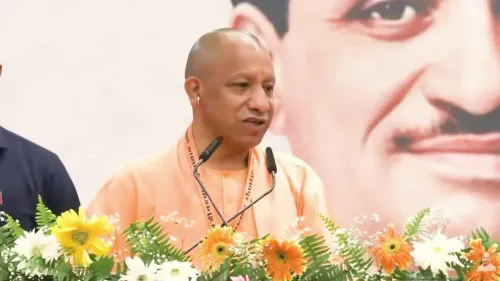
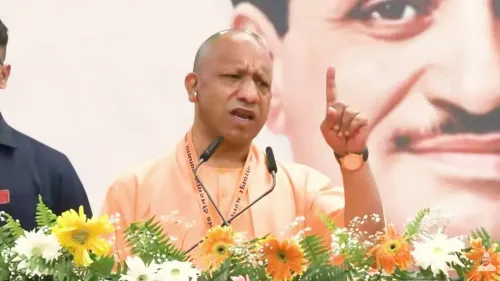
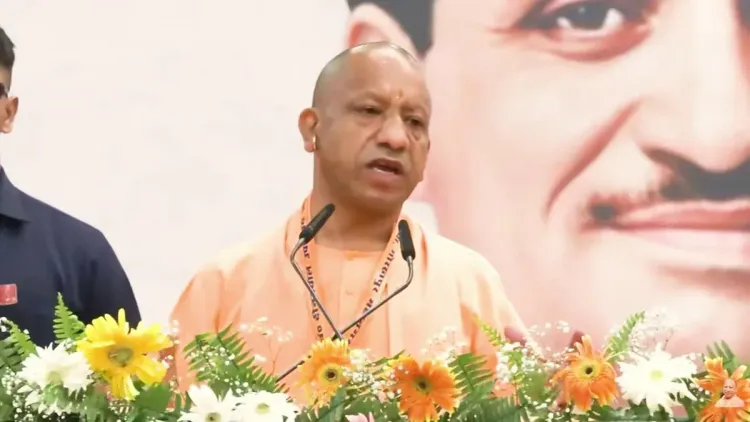
The post was accompanied by a video, indicating the remarks originated from a speech or public address.
BJP leaders routinely invoke Jana Sangh continuity to reinforce ideological identity among the party cadre and distinguish the party from political rivals.
Uttar Pradesh Chief Minister Yogi Adityanath on Saturday, 27 June 2026, invoked the legacy of the Bharatiya Jana Sangh to explain the Bharatiya Janata Party's enduring appeal among those who believe in democratic values, asserting that the ideals instilled since the Jana Sangh era have been embraced by every party worker.
Context
Posting on X, CM Yogi wrote that the BJP has become an inspiration for people who believe in democratic values — 'लोकतांत्रिक मूल्यों पर विश्वास करने वाले लोगों के लिए एक प्रेरणा' ['an inspiration for those who believe in democratic values'] — and attributed this to the 'संस्कार और मूल्य' ['values and culture'] that have been woven into the party's fabric since the Bharatiya Jana Sangh's time. He emphasised that each party worker has personally adopted these principles.
The post was accompanied by a video, suggesting the remarks were drawn from a speech or address delivered around this period, though the precise occasion has not been independently confirmed.
Policy Backdrop
The Bharatiya Jana Sangh was founded in 1951 by Syama Prasad Mookerjee, anchoring itself in cultural nationalism and democratic principles. It merged into the Janata Party in 1977, and its organisational culture and ideological lineage were carried forward when the Bharatiya Janata Party was formed in 1980.
BJP leaders have long drawn a direct line between the Jana Sangh's founding ethos and the present-day party's character. This continuity argument is used both to reinforce ideological identity among the cadre and to position the BJP as a party with deep democratic roots, predating its current dominance in national politics.
Stakeholders and Impact
The primary audience for this messaging is the BJP's vast worker base — the party cadres and booth-level functionaries who are the backbone of its electoral machinery. By reminding workers that their commitment to democratic values is part of a 75-year-old organisational tradition, senior leaders seek to sustain motivation and ideological cohesion.
The framing also speaks to a broader public audience, particularly voters who associate the BJP with a defined value system rather than purely transactional politics. CM Yogi, as one of the party's most prominent state-level figures and head of the Gorakhnath Math in Gorakhpur, carries particular weight when articulating such ideological positions.
What's Next
References to Jana Sangh values tend to intensify around BJP national executive meetings, party foundation anniversaries, and organisational conclaves. Similar invocations from other senior leaders in the coming days could signal a coordinated push to reinforce the party's ideological narrative ahead of upcoming electoral or organisational milestones.
The broader pattern suggests this is part of a sustained effort by the BJP's leadership to differentiate the party on the basis of its historical and cultural identity — a messaging arc that is likely to continue as the party navigates both governance responsibilities and political competition.
Point of View
But its deployment by the Uttar Pradesh Chief Minister carries additional weight given his stature as both a senior leader and a religious institution head. The framing positions the BJP's democratic credentials as historically grounded rather than contingent on electoral success, which is a pointed ideological contrast with rival parties. This kind of messaging typically surfaces when the party wants to consolidate worker morale or respond to criticism about its democratic character. Tracking whether other senior leaders echo this theme in the near term will indicate whether it is coordinated messaging or an individual reflection.
NationPress
27 Jun 2026
Frequently Asked Questions
What did CM Yogi Adityanath say about the BJP and Jana Sangh?
CM Yogi Adityanath said the BJP has become an inspiration for people who believe in democratic values because of the culture and values rooted in the Bharatiya Jana Sangh era, which every party worker has personally adopted.
What is the Bharatiya Jana Sangh and its connection to the BJP?
The Bharatiya Jana Sangh was a political party founded in 1951 by Syama Prasad Mookerjee. It merged into the Janata Party in 1977, and its ideological successors formed the Bharatiya Janata Party in 1980, carrying forward its organisational culture and values.
Why do BJP leaders invoke the Jana Sangh legacy?
BJP leaders invoke the Jana Sangh legacy to reinforce ideological continuity among party workers, underline the party's democratic roots, and differentiate it from political opponents by pointing to a 75-year-old tradition of nationalist and democratic values.
Who is Yogi Adityanath?
Yogi Adityanath is the Chief Minister of Uttar Pradesh and a senior leader of the Bharatiya Janata Party. He is also the head of the Gorakhnath Math, a prominent religious institution in Gorakhpur, Uttar Pradesh.
What is the significance of Jana Sangh values in BJP's ideology?
Jana Sangh values — rooted in cultural nationalism, democratic principles, and disciplined organisational culture — form the ideological foundation that the BJP claims as its inheritance, shaping how the party trains and motivates its cadre base.