India-Japan biogas vehicle framework: 1,000 methane plants, Suzuki to lead
Synopsis
India and Japan are moving to formalise a biogas-vehicle partnership that could see up to 1,000 methane-from-cow-dung plants built across India, with Suzuki Motor already on the ground. The MoU, expected during PM Takaichi's first India visit since taking office, signals that clean mobility is now a pillar of one of Asia's most consequential bilateral relationships.
Key Takeaways
India and Japan are set to sign an MoU on a biogas-powered vehicle framework during PM Sanae Takaichi's three-day visit to New Delhi .
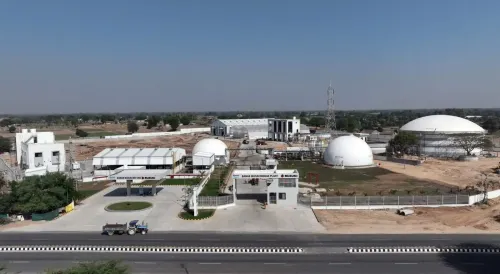
The framework targets scaling methane production plants from fermented cow dung for CNG vehicles to around 1,000 across India.
Suzuki Motor , India's largest passenger vehicle market player, is a key industry partner and has already begun biogas production in India under Japan's Global South support programme .
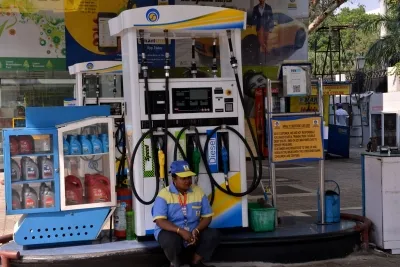
CNG vehicles account for more than 20% of new passenger vehicle sales in India, driven by rising energy demand and dependence on imported crude oil.
The visit is part of the India-Japan shuttle diplomacy framework, with talks expected to cover economic security, clean energy, and regional geopolitics.
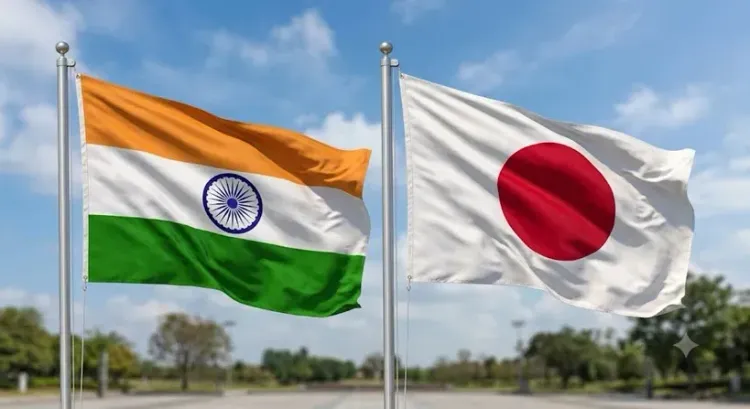
India and Japan are set to establish a bilateral framework to promote biogas-powered vehicles, targeting the expansion of methane production plants for compressed natural gas (CNG) vehicles across India, according to a report published in The Japan Times. The framework is expected to be formalised through a memorandum of understanding (MoU) during Japanese Prime Minister Sanae Takaichi's three-day visit to New Delhi.
What the Framework Proposes
Under the proposed agreement, the two governments aim to scale the number of plants in India that produce methane from fermented cow dung for use in CNG vehicles to approximately 1,000. The initiative sits at the intersection of India's clean energy ambitions and Japan's strategic interest in deepening ties with one of Asia's fastest-growing economies.
Japanese automaker Suzuki Motor — which holds the largest share of India's passenger vehicle market — is positioned as a key industry partner in the initiative. The company has already commenced biogas production in India with financial support under Japan's Global South support programme and is reportedly looking to accelerate CNG vehicle adoption in the country.
Why India Is Prioritising Biogas
CNG-powered vehicles currently account for more than 20 per cent of new passenger vehicle sales in India, according to the report. Rising energy demand and heavy dependence on imported crude oil have pushed the Indian government to pursue alternative and cleaner fuel sources as a matter of both environmental policy and energy security.
Methane derived from agricultural and organic waste — such as fermented cow dung — offers a domestically producible fuel that can reduce import bills while cutting vehicular emissions. Notably, this initiative aligns with India's broader push to diversify its energy mix ahead of its 2070 net-zero target.
Takaichi's Visit and the Diplomatic Context
Prime Minister Takaichi, who assumed office in October last year, is expected to hold summit talks with Prime Minister Narendra Modi during what will be her first visit to India since taking charge. The visit is framed as part of the longstanding India-Japan leaders' reciprocal shuttle diplomacy mechanism.
Agenda items are expected to span economic security, clean energy cooperation, and broader economic growth initiatives. Japan reportedly views stronger ties with India as strategically significant amid shifting geopolitical alignments and intensifying regional competition in the Indo-Pacific.
Broader Significance
This comes amid a wider global pivot toward green mobility, with major economies racing to reduce dependence on fossil fuels in the transport sector. For India, a biogas-CNG push leverages existing CNG infrastructure while creating a new domestic supply chain rooted in agricultural waste — a potential boon for rural economies.
If the 1,000-plant target is achieved, it could meaningfully reduce India's crude import dependency in the passenger vehicle segment, where CNG already commands a significant and growing share. The formalisation of the MoU during the Takaichi visit will be the first concrete test of how quickly both sides can move from diplomatic intent to on-ground implementation.
Point of View
It is a rare opportunity to build a domestically sourced clean fuel supply chain that leverages agricultural surplus — particularly cow dung — while reducing crude import exposure in a vehicle segment already at 20% CNG penetration. For Japan, backing Suzuki's India play through state-linked Global South funding is as much about industrial diplomacy as it is about clean energy. What mainstream coverage underplays is the execution gap: scaling to 1,000 methane plants requires rural logistics, feedstock consistency, and grid-level integration that India has struggled with in past bioenergy schemes. The MoU is a necessary first step, but the real story will be whether disbursement and plant commissioning timelines hold.
NationPress
27 Jun 2026
Frequently Asked Questions
What is the India-Japan biogas vehicle framework?
It is a proposed bilateral agreement under which India and Japan will work together to expand methane production plants for CNG vehicles in India, with a target of approximately 1,000 plants producing methane from fermented cow dung. The framework is expected to be formalised through an MoU during Japanese PM Sanae Takaichi's visit to New Delhi.
What role does Suzuki Motor play in this initiative?
Suzuki Motor, which holds the largest share of India's passenger vehicle market, is a key industry partner in the biogas initiative. The company has already started biogas production in India with financial support under Japan's Global South support programme and is looking to expand CNG vehicle promotion in the country.
Why is India focusing on biogas and CNG vehicles?
CNG-powered vehicles already account for more than 20% of new passenger vehicle sales in India. Heavy dependence on imported crude oil and rising domestic energy demand have pushed the government to explore cleaner, domestically producible fuel alternatives — making biogas from agricultural waste an attractive option.
When is PM Takaichi visiting India and what is on the agenda?
PM Sanae Takaichi is visiting India on a three-day trip — her first since taking office in October last year. She is expected to hold summit talks with PM Narendra Modi, with the agenda covering economic security, clean energy cooperation, and economic growth under the India-Japan shuttle diplomacy framework.
How does this fit into the broader India-Japan relationship?
Japan views closer ties with India as strategically important amid evolving geopolitical challenges and growing regional competition, particularly in the Indo-Pacific. The biogas vehicle framework is one of several clean energy and economic security initiatives expected to be advanced during the Takaichi visit.