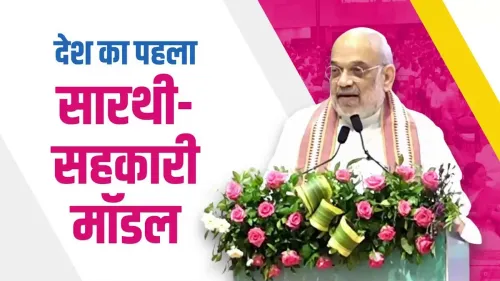
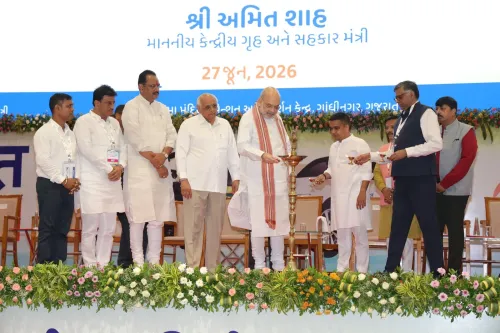
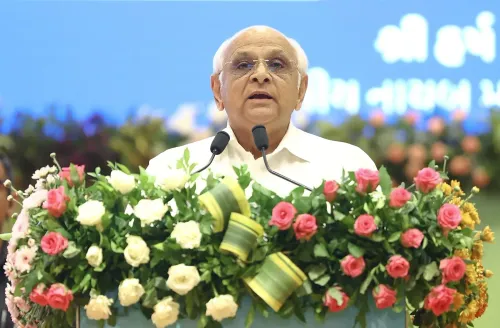
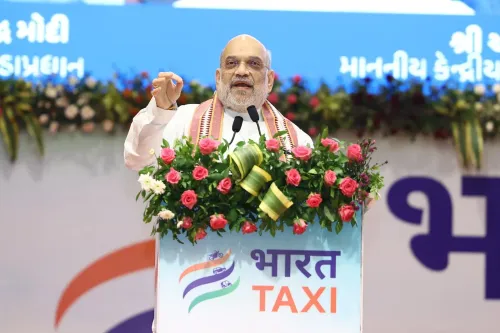
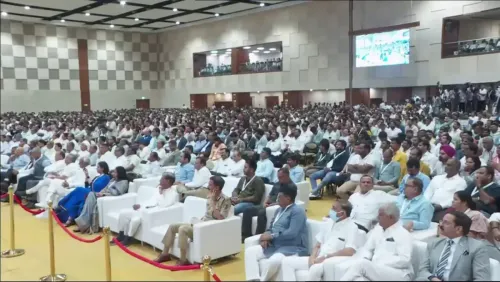
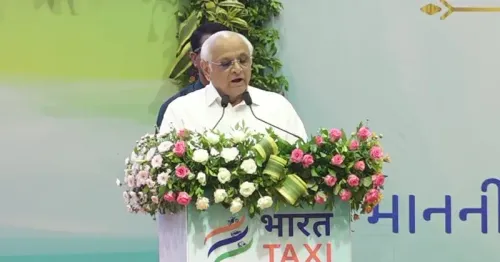
CM Bhupendra Patel Backs Bharat Taxi to End Driver Exploitation
Synopsis
Gujarat Chief Minister Bhupendra Patel publicly backed Bharat Taxi on 27 June 2026, calling it a fresh initiative to end driver exploitation and secure their dignity and prosperity, signalling a potential state-level push to regulate the gig-economy transport sector.
Key Takeaways
CM Bhupendra Patel endorsed Bharat Taxi on 27 June 2026 via a public post on X.
He described the initiative as aimed at stopping the exploitation of taxi drivers and ensuring their dignity and prosperity.
The post was in Gujarati and accompanied by a video, indicating an organised communication campaign.
The announcement aligns with broader BJP -led state efforts to champion workers in the unorganised transport sector.
Specific operational details — such as launch date, commission structures, or platform model — have not yet been officially disclosed.
Observers will watch for formal policy notifications or pilot projects from the Gujarat government in the coming weeks.
Gujarat Chief Minister Bhupendra Patel on Saturday, 27 June 2026, publicly endorsed Bharat Taxi, describing it as a fresh initiative aimed at ending the exploitation of taxi drivers and ensuring their dignity and prosperity.
Context
Posting on X, CM Patel wrote in Gujarati: 'ભારત ટેક્સી એટલે સારથીઓનું શોષણ અટકાવીને તેમના સન્માન અને સમૃદ્ધિ માટેની નવતર પહેલ' — translating to: 'Bharat Taxi means a new initiative to stop the exploitation of drivers and to ensure their honour and prosperity.' The post carried the hashtag #BharatTaxi and was accompanied by a video, suggesting a formal communication campaign around the initiative.
The statement positions Bharat Taxi as a welfare-oriented alternative within the ride-hailing space, with an explicit focus on the rights and livelihoods of those behind the wheel.
Policy Backdrop
Across India, taxi and cab-aggregator drivers have long raised concerns about high commission rates, arbitrary deactivations, and lack of social security — issues that have periodically triggered strikes in major cities. State governments have faced pressure to regulate platform-based gig work, particularly in the transport sector.
Gujarat, under CM Patel's leadership since September 2021, has aligned itself with the BJP's broader 'Sabka Saath, Sabka Vikas' framework, which emphasises inclusive growth for workers in the unorganised economy. The Bharat Taxi messaging fits squarely within this political and policy narrative, presenting the state as a champion of the working driver against exploitative intermediaries.
Stakeholders and Impact
The primary beneficiaries of any Bharat Taxi rollout would be Gujarat's taxi and cab drivers — a large, largely unorganised workforce that has historically had limited bargaining power against aggregator platforms. If the initiative translates into operational policy, it could affect commission structures, grievance mechanisms, and earnings transparency for drivers.
Ride-hailing aggregators operating in the state would also be key stakeholders, as any regulatory framework or competing state-backed platform would directly impact their business models. Commuters, too, stand to be affected depending on how service quality and pricing are structured under the new initiative.
What's Next
The critical question is whether Bharat Taxi moves beyond political messaging into concrete policy — through formal rollout notifications, pilot projects, or memoranda of understanding with transport bodies. Watchers of Gujarat's transport policy will look for announcements from the state transport department or the Gujarat government's official channels in the coming weeks. The initiative's scope — whether it is a state-backed aggregator platform, a regulatory framework, or a driver-welfare scheme — remains to be officially clarified.
As gig-economy regulation gains momentum nationally, CM Patel's public backing of Bharat Taxi signals that Gujarat may be positioning itself at the forefront of state-level efforts to reshape the balance of power between platform companies and the drivers who power them.
Point of View
Framing the BJP-led Gujarat government as a protector of the working driver at a time when gig-economy grievances are a live national issue. By invoking 'exploitation' and 'dignity' in the same breath, the messaging borrows the language of labour rights while keeping the initiative under a pro-enterprise state umbrella. The move mirrors a pattern seen in other BJP-governed states — using welfare optics to pre-empt organised driver discontent without committing to hard regulatory mandates. Whether Bharat Taxi becomes substantive policy or remains an aspirational brand will define its long-term political dividend.
NationPress
26 Sept 2026
Frequently Asked Questions
What is Bharat Taxi?
Bharat Taxi is an initiative endorsed by Gujarat Chief Minister Bhupendra Patel aimed at ending the exploitation of taxi drivers and ensuring their dignity and financial prosperity, though full operational details have not yet been officially announced.
What did CM Bhupendra Patel say about Bharat Taxi?
CM Patel stated in Gujarati that 'Bharat Taxi means a new initiative to stop the exploitation of drivers and to ensure their honour and prosperity,' posting this on X on 27 June 2026 with the hashtag #BharatTaxi.
Who benefits from the Bharat Taxi initiative?
The primary beneficiaries are taxi and cab drivers in Gujarat, who have historically faced high commission deductions and limited protections under existing ride-hailing aggregator platforms.
Is Bharat Taxi a government scheme or a private platform?
The exact nature of Bharat Taxi — whether it is a state-backed aggregator platform, a regulatory framework, or a driver-welfare programme — has not been officially confirmed as of the CM's announcement on 27 June 2026.
Why is Gujarat focusing on taxi driver welfare?
Indian state governments have faced growing pressure to address poor working conditions in the gig-economy transport sector; Gujarat's move aligns with the BJP's broader inclusive-growth narrative and responds to longstanding driver grievances over exploitation by aggregator platforms.