CM Yogi: Digital India has ended middlemen cutting 'cut money'
Synopsis
Uttar Pradesh CM Yogi Adityanath declared on X that Digital India has ended the era of 'cut money' — illegal commissions skimmed by middlemen from government welfare transfers — spotlighting how direct benefit transfers are reforming last-mile delivery in India's largest state.
Key Takeaways
CM Yogi Adityanath posted on 6 October 2026 crediting Digital India with eliminating intermediaries who extracted 'cut money' from welfare beneficiaries. 'Cut money' refers to illegal commissions forcibly taken by local brokers or officials from recipients of government scheme payouts.
Direct Benefit Transfer (DBT) routes funds electronically into Aadhaar-linked Jan Dhan accounts , bypassing the human chain where leakage occurred.
Uttar Pradesh , with a population exceeding 240 million , is one of the largest beneficiaries of DBT-driven leakage reduction in India.
Last-mile inclusion — reaching elderly, disabled, or connectivity-poor citizens — remains the key governance challenge as digital delivery scales up.
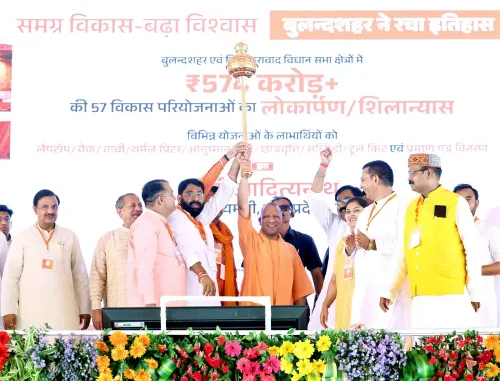
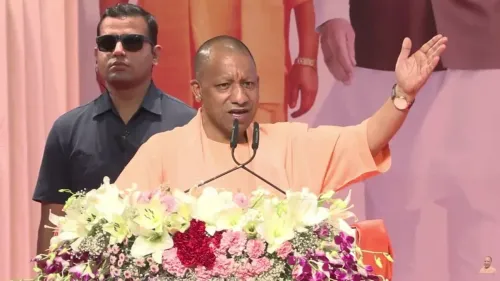
Direct benefit transfers are quietly rewriting the contract between the Indian state and its citizens — and Uttar Pradesh Chief Minister Yogi Adityanath wants that story told out loud. On Tuesday, 6 October 2026, the Chief Minister posted a pointed remark on X, celebrating how technology has shut out intermediaries who once skimmed welfare money before it reached its intended recipients.
In his post, CM Yogi wrote: 'Ab beech mein koi cut money nahin le sakta hai. Ye Digital India ka kamaal hai...' — 'Now no one in the middle can take cut money. This is the magic of Digital India.' The phrase 'cut money' — a colloquial term for illegal commissions extracted by local brokers, contractors, or officials from scheme beneficiaries — has long been a flashpoint in Indian political discourse. The Chief Minister's framing positions digital delivery not merely as an administrative upgrade but as an anti-corruption act.
How 'cut money' became a governance crisis
The practice of intermediaries siphoning a percentage of government scheme payouts — housing grants, farmer subsidies, MGNREGA wages, scholarship disbursements — was endemic across multiple states for decades. Beneficiaries, often from marginalised communities with little recourse, were forced to pay a 'cut' to local brokers simply to access entitlements that were legally theirs. The political and moral weight of the term was sharpened in recent years when it became a prominent issue in state-level accountability debates.
Digital India, the flagship national programme that mandates direct benefit transfers (DBT) into verified Jan Dhan bank accounts linked to Aadhaar, was designed precisely to close this gap. By routing payments electronically, bypassing the human chain of agents and sub-agents, DBT eliminates the transaction points where 'cut money' was extracted. Uttar Pradesh, as India's most populous state, has been a critical testing ground for this model — with schemes spanning agricultural input subsidies, pension disbursements, and housing assistance flowing directly to beneficiaries' accounts.
UP's DBT pipeline and what it means at scale
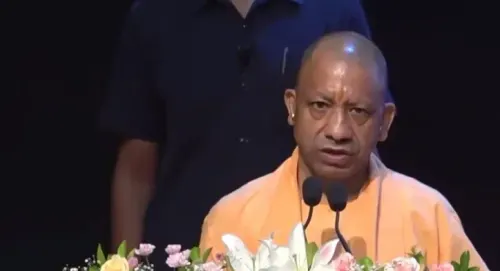
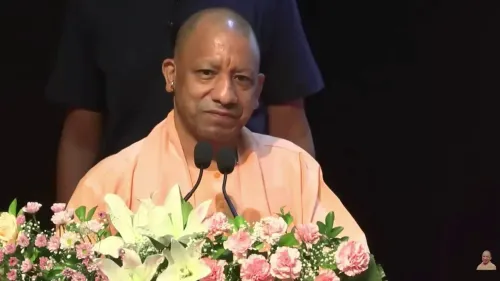
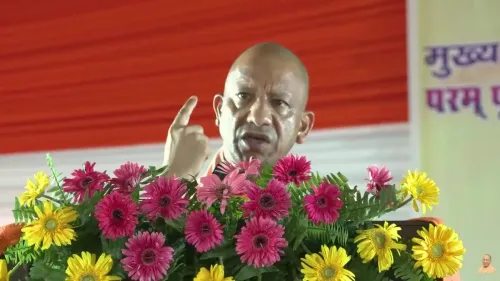
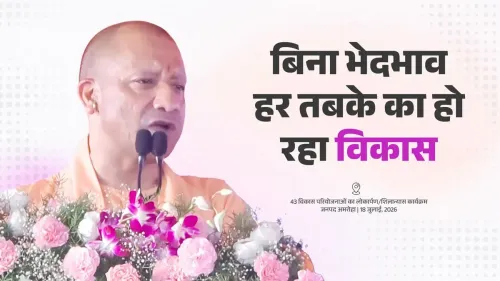
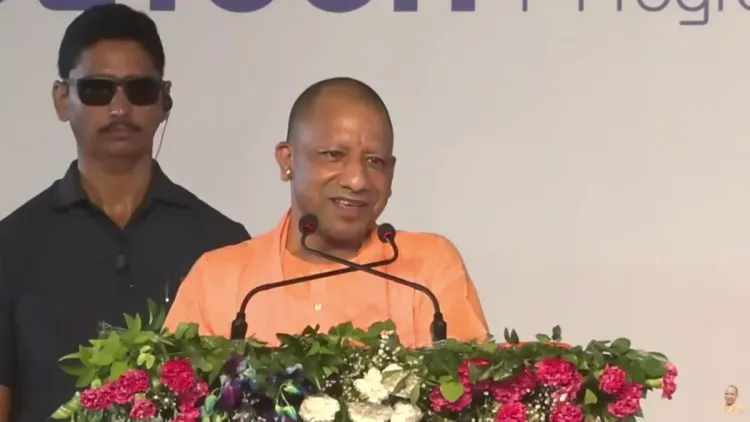
For a state with a population exceeding 240 million, even a marginal reduction in leakage translates into thousands of crores of rupees reaching intended households rather than being skimmed. The Chief Minister's message — delivered with a video attached — signals that the Yogi administration is actively amplifying this narrative ahead of continued welfare rollouts in the state. The post's brevity is itself a statement: the argument has become simple enough to fit a single sentence, because the infrastructure to back it now exists.
The real challenge ahead is last-mile inclusion — ensuring that the digitisation which blocks the middleman does not simultaneously lock out elderly, differently-abled, or connectivity-poor beneficiaries who still depend on human assistance to navigate banking systems. That tension will define the next chapter of India's digital governance story.
Point of View
He links a technocratic reform to a visceral public grievance that cuts across caste and class in UP. It fits a broader BJP pattern of positioning digital infrastructure as a moral project — the state reaching the citizen directly, cleanly, without the broker class. The political subtext is also competitive: 'cut money' rhetoric has historically been weaponised against ruling parties in multiple states, so reclaiming it as a solved problem is a preemptive defensive move. The real test of that claim, however, lies in auditable leakage data and grievance-redressal rates at the district level — metrics the post does not cite.
NationPress
6 Oct 2026
Frequently Asked Questions
What is 'cut money' in Indian politics?
'Cut money' is a colloquial term for illegal commissions that local brokers, contractors, or officials extract from government scheme beneficiaries — typically a percentage of housing grants, subsidies, or wages — before passing the remainder to the rightful recipient.
How does Digital India prevent cut money from being taken?
Digital India's Direct Benefit Transfer (DBT) system sends government payments electronically straight into Aadhaar-linked Jan Dhan bank accounts, removing the human intermediary chain at which cut money was traditionally collected.
What did CM Yogi Adityanath say about Digital India on 6 October 2026?
CM Yogi posted on X that 'now no one in the middle can take cut money,' attributing this change to Digital India — highlighting how technology has closed the gap exploited by middlemen in welfare delivery.
Which government schemes in Uttar Pradesh use direct benefit transfer?
UP channels a wide range of scheme payouts through DBT, including PM Awas Yojana housing grants, PM Kisan agricultural subsidies, MGNREGA wages, scholarship disbursements, and pension payments directly to verified beneficiaries' accounts.
What is the remaining challenge with DBT and digital welfare delivery?
Last-mile inclusion remains the key gap: elderly, differently-abled, or citizens in low-connectivity areas may still depend on human assistance to access banking systems, meaning digitisation that blocks a corrupt middleman can inadvertently also block the most vulnerable beneficiaries.