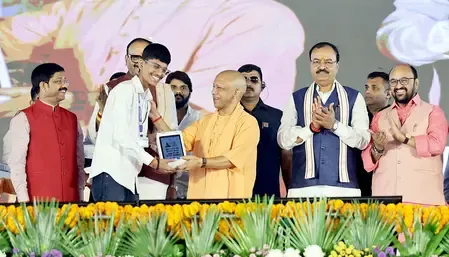
CM Yogi Distributes Tablets to 50,000+ Youth in Lucknow, Gorakhpur
Synopsis
Uttar Pradesh's Chief Minister Office announced over 50,000 tablets distributed in Lucknow and a simultaneous event in Gorakhpur under Phase 2 of the Swami Vivekananda Yuva Sashaktikaran Yojana, which targets 25 lakh youth after Phase 1 reached over 60 lakh beneficiaries.
Key Takeaways
Phase 1 of the Swami Vivekananda Yuva Sashaktikaran Yojana distributed tablets and smartphones to over 60 lakh youth in Uttar Pradesh.
Phase 2 targets 25 lakh additional beneficiaries with tablets.
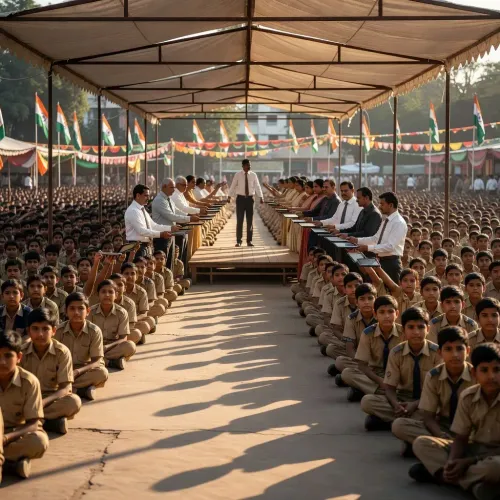
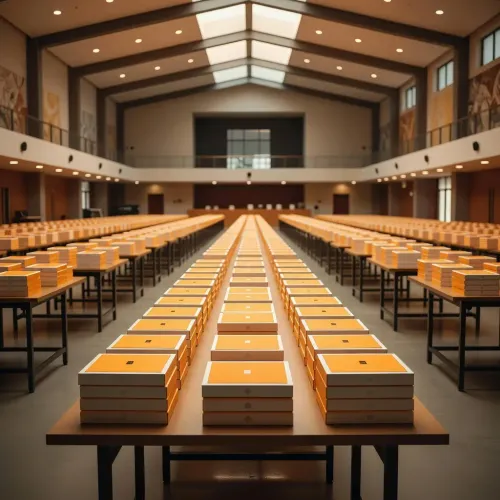
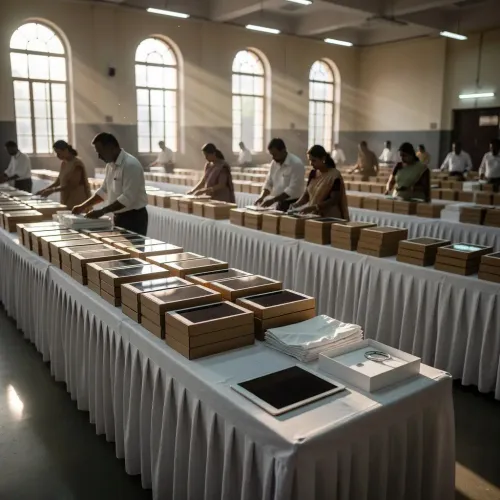
A distribution event in Lucknow covered 50,000+ youth in a single ceremony.
A concurrent event was held in Gorakhpur on 20 November 2026 .
The scheme was first announced in the UP state budget for 2021-22 to address digital exclusion highlighted by the pandemic.
Combined target across both phases stands at 85 lakh devices , placing it among India's largest state-level device programmes.
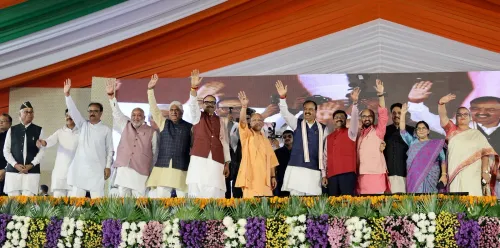
Eighty-five lakh young people. That is the scale Uttar Pradesh is working toward — and on Friday, 20 November 2026, the state took another visible stride, with Chief Minister Yogi Adityanath's office announcing simultaneous tablet distribution drives in Lucknow and Gorakhpur under the Swami Vivekananda Yuva Sashaktikaran Yojana.
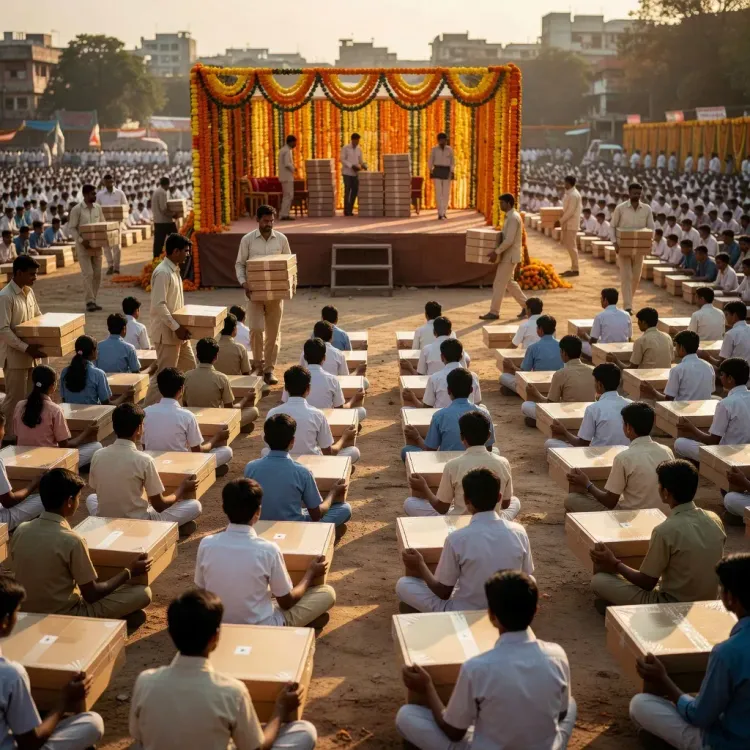
The post from the Chief Minister's Office of Uttar Pradesh put the numbers squarely on the table: in the scheme's first phase, the state distributed tablets and smartphones to over 60 lakh youth. Phase two is now underway, targeting 25 lakh additional beneficiaries. At the Lucknow event alone, more than 50,000 devices were handed over to young recipients. Gorakhpur — the CM's home constituency in eastern UP — is hosting a concurrent ceremony on the same day.
A Scheme Born in the Post-Pandemic Budget
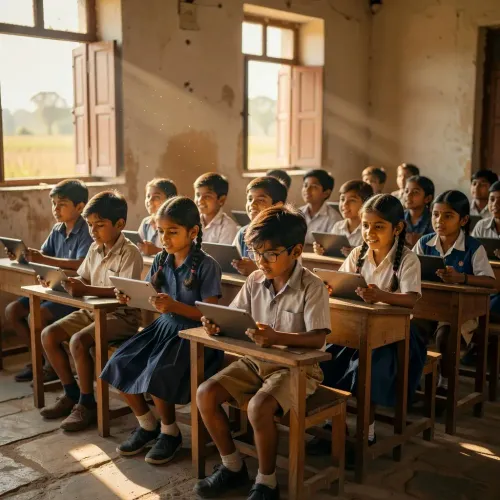
The Swami Vivekananda Yuva Sashaktikaran Yojana was first announced in Uttar Pradesh's state budget for 2021-22, as the government looked to plug the digital divide that the pandemic had ruthlessly exposed. With schools shuttered and classrooms replaced by video calls, millions of students in India's most populous state had no device to connect with. The scheme was the government's direct answer to that gap.
Naming the programme after Swami Vivekananda — the 19th-century monk who made youth empowerment a cornerstone of his philosophy — was a deliberate rhetorical choice, anchoring a technology policy inside a cultural identity that resonates deeply across Uttar Pradesh.
Lucknow and Gorakhpur: Two Cities, One Drive
Running events in two major cities on the same day amplifies the scheme's visibility. Lucknow, the state capital, provides the administrative and media weight; Gorakhpur, the CM's stronghold in the east, signals that the outreach extends well beyond the capital corridor. District-level distribution ceremonies of this kind have become a signature of how the Yogi Adityanath administration rolls out welfare schemes — high-footfall public events that double as governance optics.
The combined reach of both phases — if completed as announced — would place 85 lakh devices in the hands of UP's youth, a figure that would rank among the largest state-level device distribution programmes in India.
What Comes After the Device
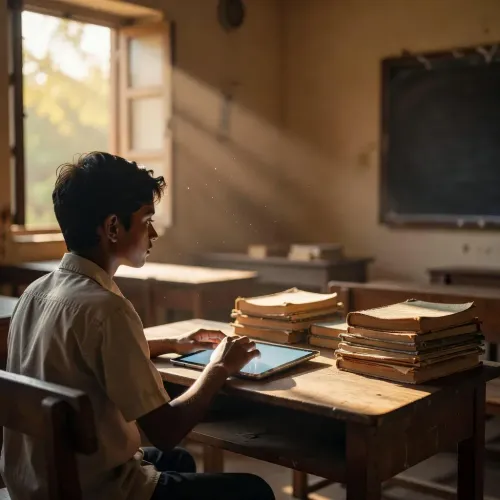
Distributing hardware is the visible milestone. The harder question — how effectively young recipients use those tablets for learning, skilling, or economic participation — is the one that evaluation reports will need to answer. Official utilisation data and outcome assessments for phase two remain awaited, and they will determine whether the numbers translate into the digital empowerment the scheme's name promises.
For now, Gorakhpur's auditoriums are filling with students clutching new devices. The segment is live. The metric that matters next is what they open first.
Point of View
Using device distribution as both a policy instrument and a visible political signal. Running simultaneous mega-events in Lucknow and Gorakhpur — the latter being the CM's home turf — reflects the Yogi Adityanath administration's strategy of pairing governance delivery with high-footfall public ceremonies. The 85-lakh combined target is a headline figure, but outcome metrics — device utilisation rates, educational uptake, skilling access — will be the real test of whether hardware translates into human capital. Until official evaluation data emerges, the programme remains a large and consequential input whose output impact is still an open question.
NationPress
20 Nov 2026
Frequently Asked Questions
What is the Swami Vivekananda Yuva Sashaktikaran Yojana?
It is a Uttar Pradesh government scheme that distributes free tablets and smartphones to youth and students to improve digital access and support education, first announced in the UP state budget for 2021-22.
How many tablets has UP distributed under this scheme so far?
Phase 1 distributed over 60 lakh tablets and smartphones; Phase 2 is targeting 25 lakh additional tablets, bringing the combined target to 85 lakh devices.
What happened at the Lucknow tablet distribution event in November 2026?
More than 50,000 youth received tablets at a ceremony in Lucknow as part of Phase 2 of the Swami Vivekananda Yuva Sashaktikaran Yojana on 20 November 2026.
Why is Gorakhpur also hosting a tablet distribution event?
Gorakhpur, located in eastern Uttar Pradesh and the home constituency of Chief Minister Yogi Adityanath, was hosting a simultaneous tablet distribution ceremony on the same day to extend Phase 2 outreach beyond the state capital.
Who is eligible for a free tablet under the UP government scheme?
The scheme targets youth and students in Uttar Pradesh. Specific eligibility criteria — including age, educational status, or income — are defined by the state government under the Swami Vivekananda Yuva Sashaktikaran Yojana guidelines.