Giriraj Singh hails NABARD's Gramin Bharat Mahotsav in Shimla
Synopsis
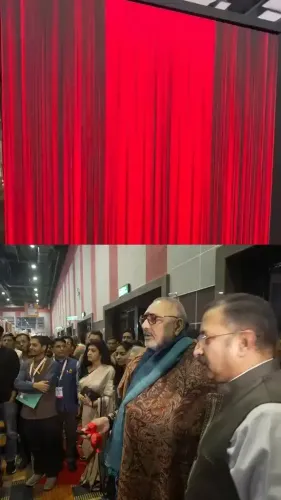
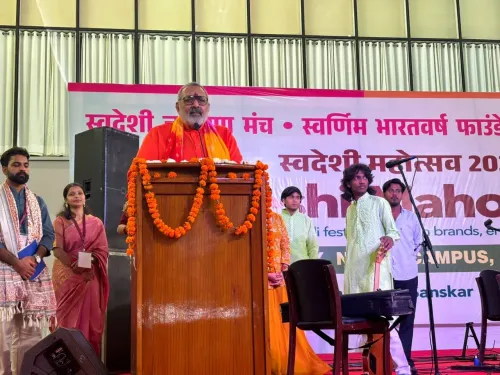
Union Textiles Minister Giriraj Singh on November 20, 2026 applauded NABARD's Gramin Bharat Mahotsav at Shimla's Ridge Maidan, calling it a praiseworthy effort to give rural artisans new market access and a national platform for their traditional skills.
Key Takeaways
Union Textiles Minister Giriraj Singh publicly endorsed NABARD's Gramin Bharat Mahotsav held at Shimla's Ridge Maidan on November 20, 2026 .
NABARD , established in 1982 , has expanded its mandate from rural credit to market-linkage events for traditional artisans.
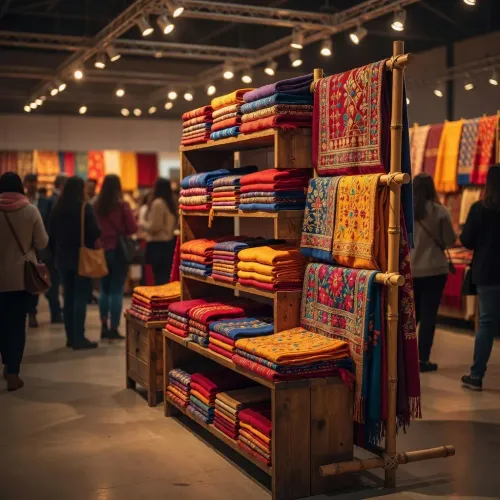
The festival aims to open new markets for locally produced traditional goods and provide artisans a national-level showcase.
Singh's endorsement signals potential inter-ministerial backing, linking the event to Textiles Ministry schemes for handloom and handicraft clusters.
The Ridge Maidan venue gives the festival high footfall and visibility within one of Himachal Pradesh's most prominent public spaces.
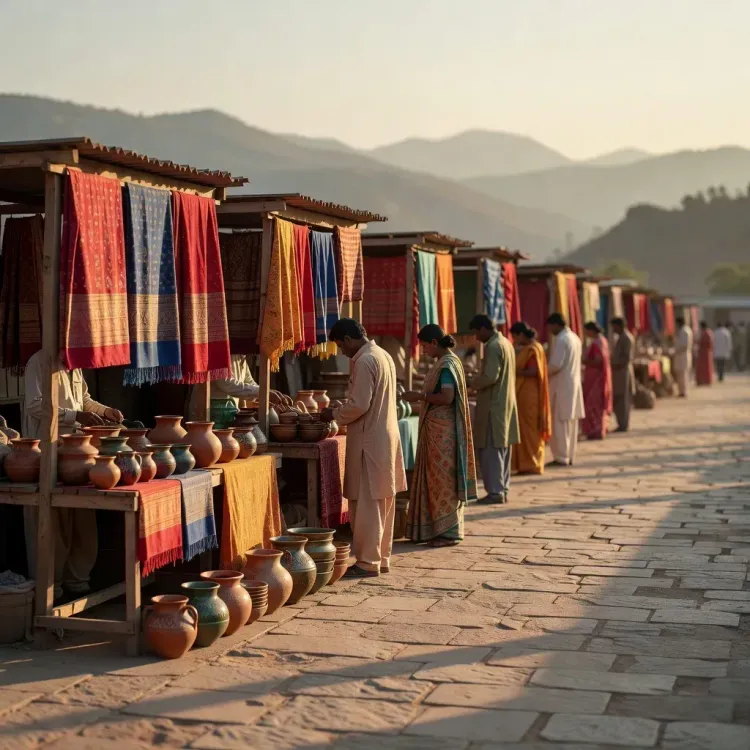
At Shimla's historic Ridge Maidan, a festival is doing something quietly powerful — putting rural artisans and their traditional crafts in front of new markets, new buyers, and a national audience. Union Textiles Minister Giriraj Singh on Friday, November 20, 2026, praised NABARD's 'Gramin Bharat Mahotsav' as a commendable step toward giving rural craftspeople the recognition and reach they deserve.
Posting in Hindi, Singh wrote: 'शिमला के ऐतिहासिक रिज मैदान में आयोजित ग्रामीण भारत महोत्सव ग्रामीण कारीगरों और पारंपरिक उत्पादों को नई पहचान देने की सराहनीय पहल है' — ('The Gramin Bharat Mahotsav held at the historic Ridge Maidan in Shimla is a commendable initiative to give rural artisans and traditional products a new identity.'). He added that the festival would open new markets for local products and give craftspeople across the country a platform to display their art and skill.
NABARD's role: from rural credit to craft melas
NABARD — the National Bank for Agriculture and Rural Development — was established in 1982 primarily as an apex institution for rural credit. Over the decades, its mandate has broadened considerably: today it functions as a bridge between traditional producers and formal market ecosystems, using festivals, fairs, and institutional events to create visibility for craft clusters that often lack direct consumer access.
The Gramin Bharat Mahotsav fits squarely into that playbook. Hosting it at Shimla's Ridge Maidan — one of Himachal Pradesh's most prominent and footfall-heavy public spaces — amplifies the event's reach well beyond a niche audience. For weavers, potters, and artisans from remote villages, a stage like this is rare.
Why a Textiles Minister's endorsement matters here
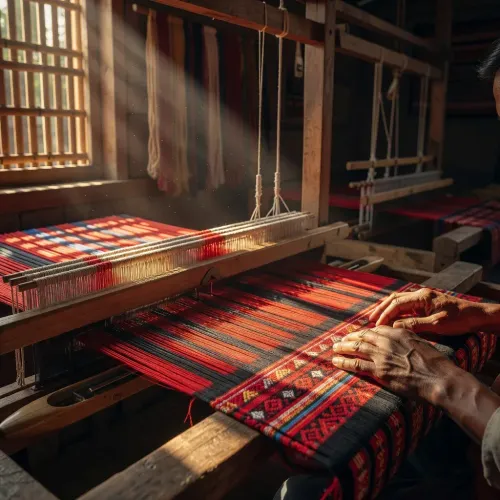
Singh's attention to this event is not incidental. The Ministry of Textiles oversees several schemes — including those targeting handloom and handicraft clusters — that share the same goal: connecting India's vast but dispersed artisan workforce to sustainable livelihoods. When a Union minister publicly backs a NABARD-led event, it signals inter-ministerial alignment and can accelerate follow-on support.
Singh underlined that such efforts simultaneously preserve India's rich cultural heritage and strengthen the rural economy — two objectives the government has repeatedly framed as inseparable. The post's framing is not just ceremonial; it is an institutional nudge for more such linkages.
Whether the Shimla edition generates measurable sales upticks or new wholesale tie-ups for participating artisans will be the real test — and one worth watching as NABARD considers scaling the festival format to other states.
Point of View
Publicly aligning with such events helps reinforce its own cluster-development schemes and positions the ministry as a stakeholder in rural welfare beyond the factory floor. The real policy dividend, however, will only be visible if the festival model scales and delivers verifiable income gains for participating craftspeople.
NationPress
20 Nov 2026
Frequently Asked Questions
What is the Gramin Bharat Mahotsav?
The Gramin Bharat Mahotsav is a NABARD-organised festival designed to showcase traditional products and crafts of rural artisans, connecting them to new markets and buyers. The 2026 edition was held at Shimla's historic Ridge Maidan in Himachal Pradesh.
Why did Giriraj Singh comment on the NABARD event?
As Union Textiles Minister, Giriraj Singh oversees schemes supporting handloom and handicraft artisans, making NABARD's artisan-focused festival directly relevant to his ministry's mandate of strengthening rural craft livelihoods.
What does NABARD do for rural artisans?
NABARD, established in 1982 as India's apex rural development bank, has expanded its role to include market-linkage initiatives such as festivals and melas that give rural artisans and traditional product makers direct access to consumers and wholesale buyers.
Where is Shimla's Ridge Maidan?
The Ridge Maidan is a large open public ground in the heart of Shimla, Himachal Pradesh. It is one of the town's most prominent landmarks and is frequently used for cultural, public, and official events.
How do festivals like Gramin Bharat Mahotsav help the rural economy?
By bringing rural artisans and their products to high-footfall venues, such festivals create direct market access, reduce dependence on middlemen, boost incomes, and preserve traditional crafts — all of which contribute to strengthening the rural economy.