CM Yogi Distributes Tablets to 50,000+ Students in Gorakhpur
Synopsis
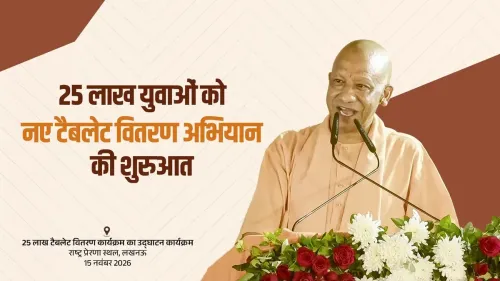
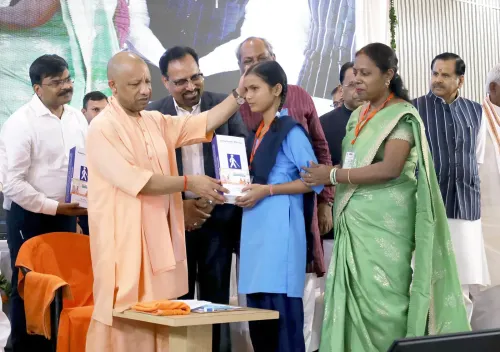
Chief Minister Yogi Adityanath personally attended a live tablet distribution drive in Gorakhpur on November 20, 2026, putting digital devices in the hands of over 50,000 students and vocational trainees as Uttar Pradesh advances its digital-inclusion agenda.
Key Takeaways
Chief Minister Yogi Adityanath attended the tablet distribution programme in Gorakhpur on 20 November 2026 .
More than 50,000 students and vocational trainees received tablets at the event.
Gorakhpur is CM Yogi's home constituency in eastern Uttar Pradesh, underscoring the symbolic and political significance of the venue.
UP's device distribution effort dates to at least 2021 , when the state expanded digital education measures following the COVID-19 pandemic.
The programme aligns with National Education Policy 2020 goals of technology-enabled learning and reducing the urban-rural digital divide.
Vocational trainees were included alongside school students, broadening the scheme's reach beyond formal school enrolment.
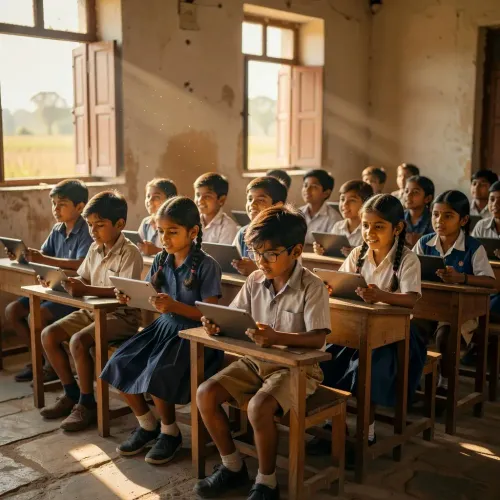
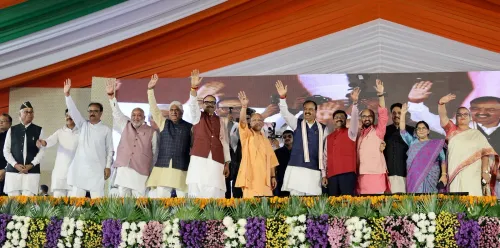
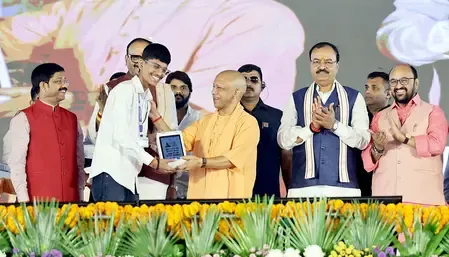
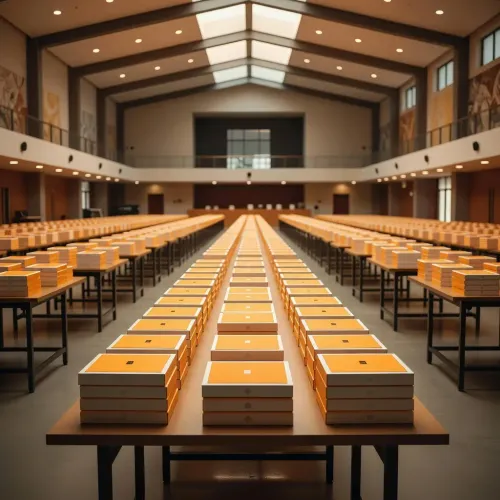
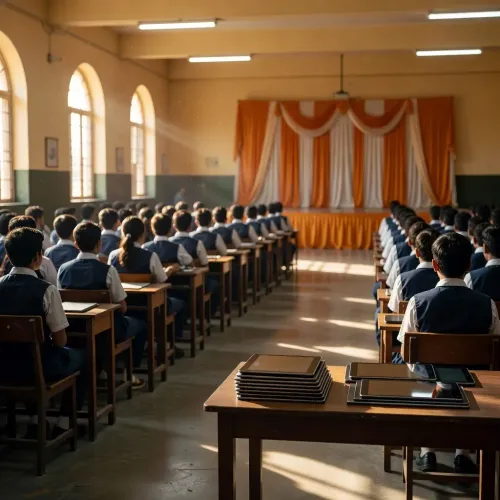
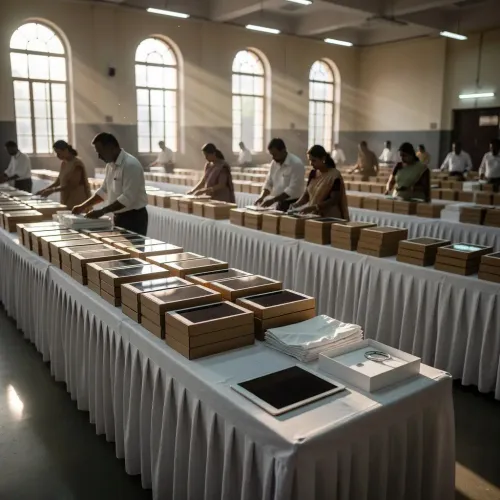
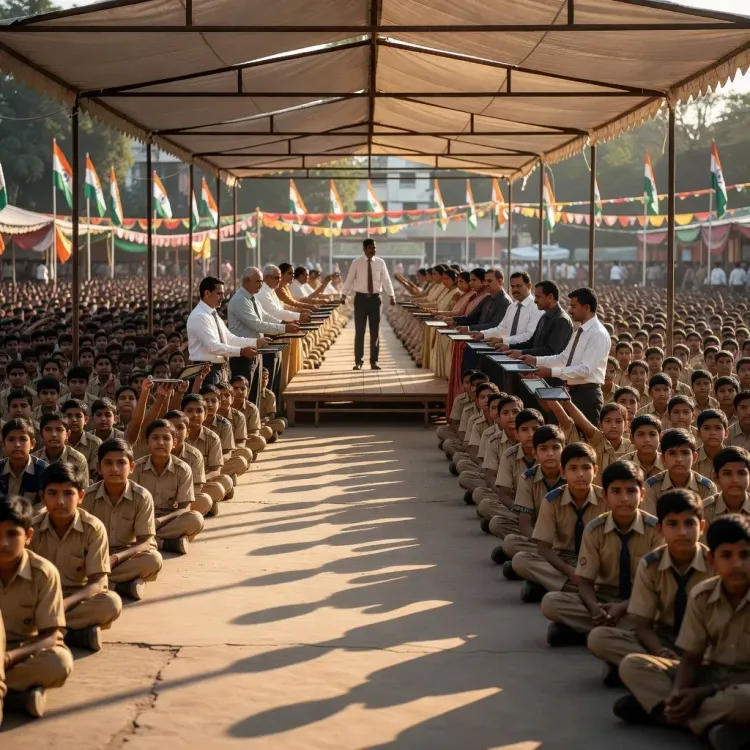
Fifty thousand students and vocational trainees gathered in Gorakhpur on Friday, November 20, 2026 — and each one left with a device that could change how they learn. The Chief Minister's Office of Uttar Pradesh confirmed that Chief Minister Yogi Adityanath personally attended the tablet distribution programme, handing digital tools directly to 50,000-plus students and trainees in what the state is flagging as a live, large-scale push for digital inclusion.
Gorakhpur at the Centre of UP's Digital Push
Gorakhpur is not an incidental venue. It is CM Yogi Adityanath's home constituency — the city where he built his political base over decades as the head of the Gorakhnath Math — and state government scheme launches here carry both administrative and symbolic weight. By anchoring the event in eastern UP rather than the state capital Lucknow, the government signals that this round of device distribution is aimed squarely at the region that has historically lagged in educational infrastructure.
The gathering of over 50,000 beneficiaries — a mix of school-going students and vocational trainees — in a single event underlines the scale the UP government is now operating at in its digitalisation drive. Vocational trainees being included alongside regular students is a notable detail: it suggests the scheme is not limited to formal school enrolment but extends to skill-development pipelines, widening the net of who counts as a beneficiary.
A Policy Thread Stretching Back to 2021
Uttar Pradesh's device-distribution effort is not new. The state began expanding digital education measures in the wake of the COVID-19 pandemic, roughly from 2021 onwards, when remote learning exposed the depth of the digital divide between urban and rural classrooms. That early phase was an emergency response; what is happening in Gorakhpur today looks more like institutionalised rollout — a regular phase of an ongoing state programme.
The broader architecture fits neatly within the National Education Policy 2020, which explicitly calls for technology-enabled learning and a deliberate effort to close the urban-rural gap in access to digital tools. UP — India's most populous state, with a school-age population that dwarfs many countries — is one of the most consequential testing grounds for whether that policy ambition translates into on-ground delivery.
What Fifty Thousand Tablets Actually Mean
A single distribution event at this scale raises immediate downstream questions. Getting devices into students' hands is step one; the harder variables — internet connectivity in rural eastern UP, teacher training, curriculum integration, and whether the devices are actually used for learning — are what determine whether the investment pays off. The state government has not yet published verified utilisation or learning-outcome data from earlier distribution phases, and those numbers, when they arrive, will be the real report card.
For now, the optics are unmistakable: a sitting Chief Minister on a stage in Gorakhpur, surrounded by tens of thousands of young beneficiaries, is a powerful image of a government that wants to be seen delivering on digital equity. The next test is whether subsequent districts see the same pace — and whether the tablets outlast the ceremony.
Point of View
Constituency-anchored events to conflate welfare delivery with political signalling — staging scale in the Chief Minister's own backyard maximises visibility. The inclusion of vocational trainees alongside school students is a quiet policy evolution, suggesting UP is trying to link digital access to its skill-development pipeline, not just classroom learning. The critical gap, however, remains outcome data: without verified utilisation metrics from earlier phases, it is impossible to assess whether this is transformational investment or impressive optics. That accountability question will define how the programme is ultimately judged.
NationPress
20 Nov 2026
Frequently Asked Questions
How many students received tablets in Gorakhpur on November 20, 2026?
More than 50,000 students and vocational trainees received tablets at the Gorakhpur distribution event attended by Chief Minister Yogi Adityanath on November 20, 2026.
Which scheme is distributing free tablets to UP students?
Uttar Pradesh has been running state-level device distribution programmes for government school students since around 2021, aligned with the National Education Policy 2020. The precise scheme name for the 2026 phase has not been officially confirmed in public records available.
Why was the tablet event held in Gorakhpur?
Gorakhpur is Chief Minister Yogi Adityanath's home constituency in eastern Uttar Pradesh and a frequent venue for state scheme launches, lending both administrative reach and political significance to the event.
Are vocational trainees also getting tablets under UP's digital scheme?
Yes. The November 20, 2026 Gorakhpur event included vocational trainees alongside regular school students, indicating the scheme's reach extends beyond formal school enrolment into skill-development programmes.
What is Uttar Pradesh's broader digital education policy?
UP has pursued incremental digitalisation of classrooms since at least 2021, supplying tablets and devices to reduce the urban-rural learning gap, in line with the central government's National Education Policy 2020 mandate for technology-enabled education.