CM Yogi Backs Push to Make Gautam Buddh Nagar Semiconductor Hub
Synopsis
Chief Minister Yogi Adityanath has publicly praised Union Ministers Ashwini Vaishnaw for their 'extraordinary' efforts to establish Gautam Buddh Nagar as India's semiconductor and electronics components hub, signalling strong state-centre alignment on the ₹76,000 crore India Semiconductor Mission.
Key Takeaways
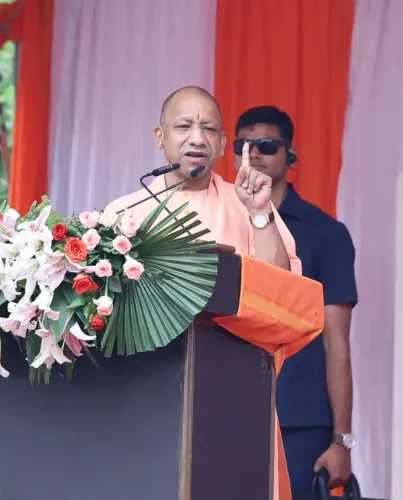
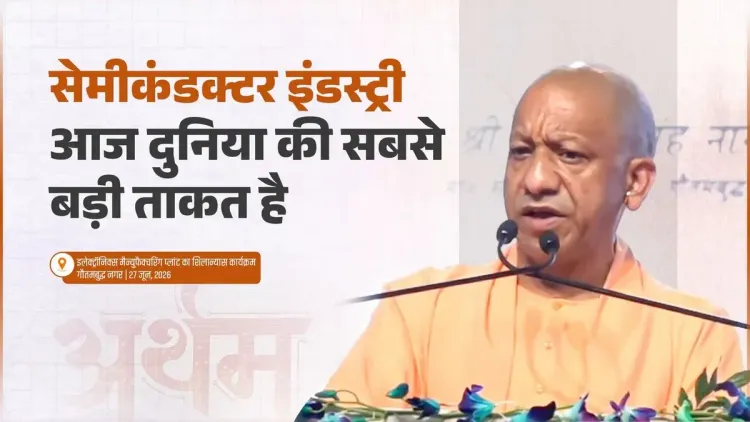
The Chief Minister's Office of Uttar Pradesh shared CM Yogi Adityanath's remarks on 27 June 2026 backing efforts to make Gautam Buddh Nagar a semiconductor hub.
CM Yogi called the semiconductor industry 'the world's greatest power' and described ministerial efforts as 'extraordinary and unimaginable.' Union Minister Ashwini Vaishnaw was specifically credited for driving the semiconductor push toward the Noida-Greater Noida belt.
The India Semiconductor Mission , approved in December 2021 with a ₹76,000 crore outlay, provides the central fiscal framework for such investments.
Gautam Buddh Nagar already hosts major IT parks and electronics assembly units, giving it a head start over greenfield locations.
Gujarat, Tamil Nadu and Assam already host ISM-approved projects; UP is positioning itself as a components and assembly complement.
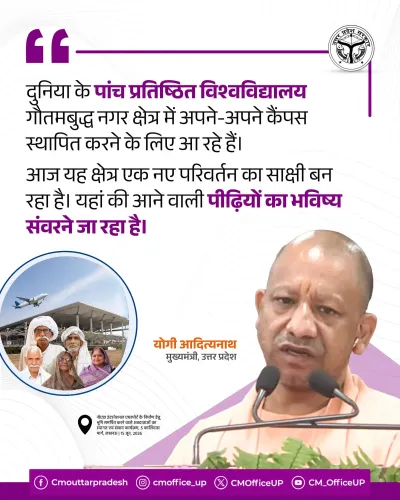
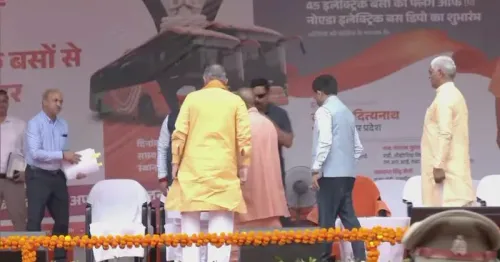
The Chief Minister's Office of Uttar Pradesh on Saturday, 27 June 2026 shared remarks by Chief Minister Yogi Adityanath praising central ministers for their efforts to establish Gautam Buddh Nagar as the focal point of India's semiconductor and electronics components industry.
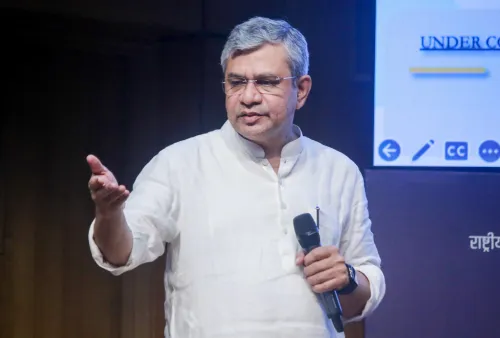
Quoting CM Yogi Adityanath, the post stated: 'Semiconductor industry aaj duniya ki sabse badi takat hai' ['The semiconductor industry is today the world's greatest power']. The Chief Minister described the efforts of Union Minister Ashwini Vaishnaw and Minister B.Y. Yediyurappa — identified in the post as @byadavbjp — to position Gautam Buddh Nagar as a hub for electronics components as 'extraordinary and unimaginable.'
Context
Gautam Buddh Nagar, the Uttar Pradesh district that encompasses Noida and Greater Noida, already hosts a significant cluster of IT parks and electronics assembly units on the outskirts of Delhi. The district's existing industrial infrastructure and connectivity to the national capital make it a natural candidate for higher-value semiconductor and components manufacturing.
CM Yogi's remarks signal active state-level political backing for converting that existing base into a more advanced semiconductor ecosystem, building on the district's established electronics footprint.
Policy Backdrop
The Union Cabinet approved the India Semiconductor Mission (ISM) in December 2021 with a total outlay of ₹76,000 crore to provide fiscal support for semiconductor fabrication, assembly, testing, marking and packaging units across India. Union Minister Ashwini Vaishnaw, who holds the portfolio for Electronics and Information Technology, has been the principal architect of the national semiconductor policy framework since its inception.
The Production Linked Incentive (PLI) scheme for IT hardware was revised in 2023 to extend incentives to semiconductor components and sub-assemblies, broadening the scope beyond finished devices. These central incentives form the financial backbone of any state-level bid to attract chip-related investment.
Stakeholders and Impact
India's semiconductor strategy has followed a multi-state approach under the Atmanirbhar Bharat initiative, with Gujarat, Tamil Nadu and Assam already hosting projects approved under the ISM. Uttar Pradesh's pitch for Gautam Buddh Nagar positions it as a complementary node focused on components and assembly rather than competing directly with fabrication-focused states.
Electronics manufacturers and semiconductor investors are the primary stakeholders watching this space. A successful clustering of component suppliers in Noida-Greater Noida would reduce supply-chain distances for the broader Delhi-NCR electronics ecosystem and could attract downstream assembly operations.
What's Next
The immediate indicators to watch are follow-up announcements on land allotment, state incentive packages, and any memoranda of understanding between the Uttar Pradesh government and companies shortlisted under the India Semiconductor Mission. The public endorsement by CM Yogi of the ministers' efforts suggests coordinated state-centre engagement is already under way.
How quickly Gautam Buddh Nagar can translate political intent into on-ground investment commitments will determine whether it secures a meaningful share of India's fast-expanding semiconductor supply chain.
Point of View
Rather than any new greenfield site, suggests the state is betting on upgrading an existing electronics cluster rather than building from scratch, a lower-risk but potentially lower-profile strategy. With Gujarat already securing high-profile fabrication projects, UP's pitch for components and assembly could carve out a complementary niche — but only if land and incentive commitments follow the rhetoric. The timing, mid-2026, also aligns with the electoral cycle in UP, making industrial optics as important as industrial outcomes.
NationPress
26 Sept 2026
Frequently Asked Questions
Why is Gautam Buddh Nagar being considered as a semiconductor hub?
Gautam Buddh Nagar, which includes Noida and Greater Noida, already has a large base of IT parks and electronics assembly units near Delhi, making it a natural location for upgrading to semiconductor components manufacturing. CM Yogi Adityanath has publicly backed central government efforts to formalise this positioning.
What is the India Semiconductor Mission and how much money does it involve?
The India Semiconductor Mission is a central government scheme approved in December 2021 with a ₹76,000 crore outlay to support semiconductor fabrication, assembly, testing and packaging units across India. It is the primary financial instrument driving India's chip self-sufficiency push.
Which ministers did CM Yogi praise for the semiconductor push in UP?
CM Yogi Adityanath praised Union Minister Ashwini Vaishnaw, who holds the Electronics and IT portfolio, for their efforts to establish Gautam Buddh Nagar as a semiconductor and electronics components hub.
Which states already have semiconductor projects approved under the India Semiconductor Mission?
Gujarat, Tamil Nadu and Assam have already secured projects approved under the India Semiconductor Mission. Uttar Pradesh is now seeking to position Gautam Buddh Nagar as a complementary electronics components and assembly hub.
What is the PLI scheme for IT hardware and does it cover semiconductors?
The Production Linked Incentive scheme for IT hardware was revised in 2023 to include incentives for semiconductor components and sub-assemblies, extending its scope beyond finished electronic devices and making it relevant to UP's semiconductor ambitions.