CM Yogi flags Ghazipur's spiritual revival push
Synopsis
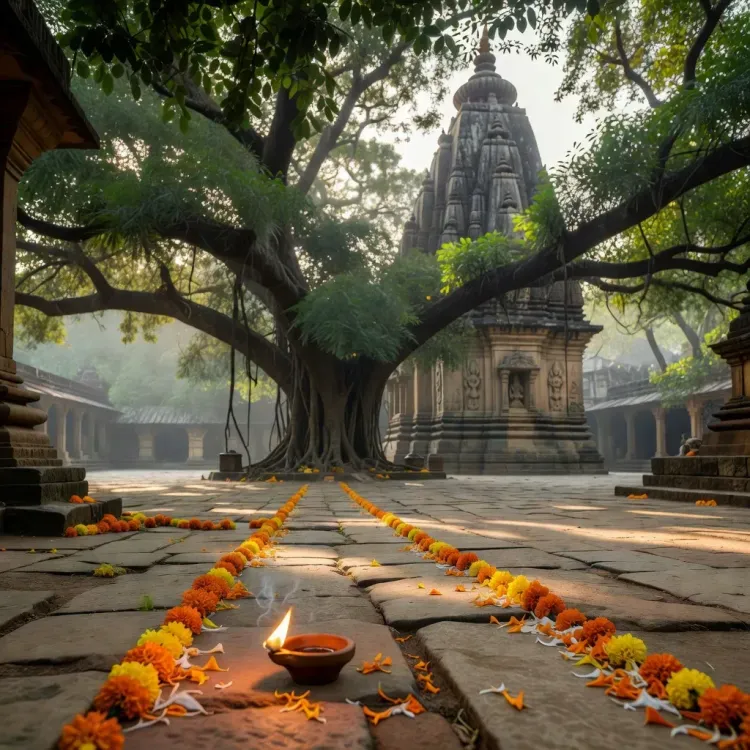
Chief Minister Yogi Adityanath has spotlighted Ghazipur — known as Lahuri Kashi — as an emerging spiritual-tourism destination, citing the ashram of Pavhari Baba and the district's ties to Lord Parshuram and Maharishi Jamadagni, as the UP government pushes heritage revival beyond Varanasi and Ayodhya.
Key Takeaways
Ghazipur is traditionally called Lahuri Kashi and holds deep Hindu spiritual significance.
CM Yogi Adityanath announced on 30 July 2026 that spiritual-tourism sites in Ghazipur are being actively revived.
Key sites include the ashram of Pavhari Baba , a 19th-century ascetic saint, and centres linked to Lord Parshuram and Maharishi Jamadagni .
The revival extends the UP government's heritage-restoration template — established via the Kashi Vishwanath Corridor in 2019 — to the Purvanchal region.
The move reflects a broader state strategy of expanding spiritual tourism beyond Varanasi and Ayodhya to boost district-level economies.
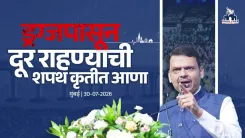
Long called Lahuri Kashi — the 'lesser Kashi' of the east — Ghazipur carries a spiritual weight that has quietly outlasted centuries of neglect. Now, the Chief Minister's Office of Uttar Pradesh has signalled that this ancient district is getting the state's full attention, with Chief Minister Yogi Adityanath personally highlighting an ongoing revival of its spiritual-tourism sites on 30 July 2026.
Quoting CM Yogi Adityanath directly, the post stated: 'Ghazipur, also known as Lahuri Kashi, holds a unique spiritual significance. The ashram of Pavhari Baba is located here, and this district has also been an important centre associated with Lord Parshuram and Maharishi Jamadagni. Today, sites linked to spiritual tourism in Ghazipur are being revived.' The message is clear — Ghazipur is no longer a footnote in Uttar Pradesh's religious-tourism map.
Pavhari Baba's ashram and the Parshuram connection
Pavhari Baba, the 19th-century ascetic saint who lived and meditated in Ghazipur, left behind an ashram that has drawn pilgrims for generations. Less widely known outside the region is the district's deep association with Lord Parshuram — the sixth avatar of Vishnu — and his father, the Vedic sage Maharishi Jamadagni, whose traditional centres of reverence are embedded in local geography and lore. These are not manufactured heritage claims. They are living traditions that the state government is now choosing to amplify.
Ghazipur joins UP's expanding spiritual-tourism circuit
The revival fits a deliberate pattern. Since 2017, the Yogi Adityanath government has systematically restored and developed religious heritage sites across Uttar Pradesh, using the Kashi Vishwanath Corridor — inaugurated in 2019 — as its flagship template. The logic is economic as much as cultural: improved access and visibility at historic ashrams and temples drives pilgrim footfall, which feeds district-level commerce.
What makes the Ghazipur push notable is its geography. The state's spiritual-tourism investments have clustered around Varanasi and Ayodhya. Extending that infrastructure to eastern districts like Ghazipur signals an intent to spread the benefits — and the branding — deeper into the Purvanchal belt.
The specific sites under revival and their project timelines have not yet been officially detailed. But the Chief Minister's public statement is rarely a standalone gesture — it typically precedes formal announcements. Ghazipur's moment on the spiritual-tourism map may be closer than it looks.
Point of View
The government is extending its spiritual-tourism brand into the Purvanchal belt — a region with significant electoral and developmental weight. The Kashi Vishwanath Corridor showed that state-funded heritage revival can transform pilgrim footfall into visible economic activity; replicating that model in lesser-known districts is the logical next step. Whether Ghazipur sees the infrastructure investment to match the rhetoric will be the real test of this announcement's substance.
NationPress
30 Jul 2026
Frequently Asked Questions
Why is Ghazipur called Lahuri Kashi?
Ghazipur is called Lahuri Kashi — meaning 'lesser Kashi' — because of its deep spiritual associations with Hindu sages and pilgrimage traditions, drawing a parallel to the sacred city of Varanasi (Kashi).
Who was Pavhari Baba and what is his connection to Ghazipur?
Pavhari Baba was a 19th-century ascetic saint who lived and meditated in Ghazipur. His ashram in the district remains an active pilgrimage site and is one of the key heritage locations the UP government is reviving.
What is the link between Ghazipur and Lord Parshuram?
Local tradition and religious lore identify Ghazipur as an important centre associated with Lord Parshuram, the sixth avatar of Vishnu, and his father, the Vedic sage Maharishi Jamadagni, whose sites of reverence are found in the region.
What spiritual tourism projects is the UP government running in Ghazipur?
The Uttar Pradesh government is reviving spiritual-tourism sites in Ghazipur as part of its broader heritage-restoration drive. Specific site lists and project timelines have not yet been officially announced.
How does Ghazipur fit into UP's wider spiritual tourism push?
Ghazipur is part of the Yogi Adityanath government's strategy to expand its spiritual-tourism circuit beyond major centres like Varanasi and Ayodhya into eastern Uttar Pradesh's Purvanchal belt, using the Kashi Vishwanath Corridor as a development template.