CM Yogi flags off Census Phase 2 in Uttar Pradesh
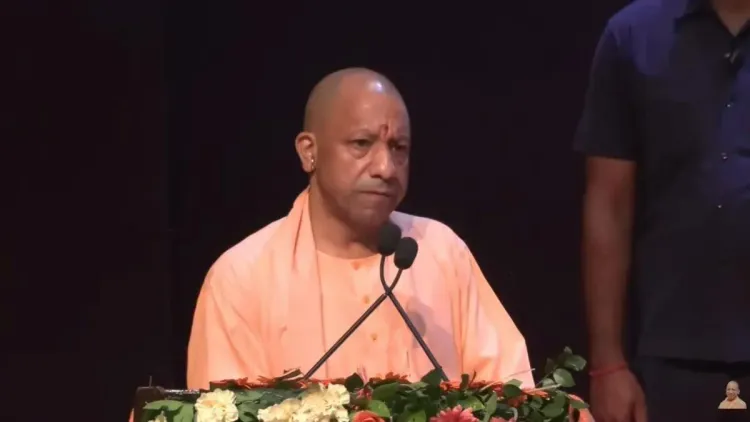
Synopsis
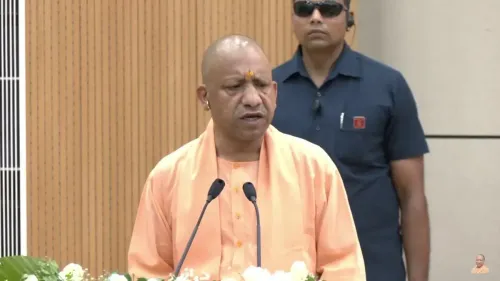
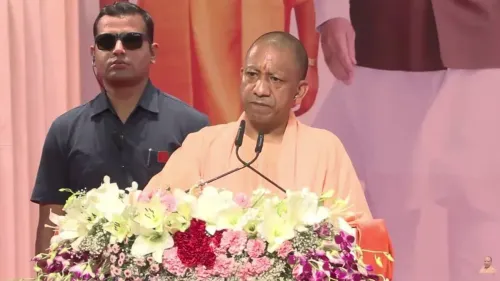
Uttar Pradesh CM Yogi Adityanath announced the launch of the second and decisive phase of India's Census on 16 November 2026, ending a data gap stretching back to the last completed count in 2011 and setting the stage for a fresh demographic baseline for public policy.
Key Takeaways
CM Yogi Adityanath announced on 16 November 2026 that the second and decisive phase of the Indian Census has commenced.
The second phase covers actual population enumeration — the headcount that generates official demographic data.
India's last completed Census was conducted in 2011 ; the planned 2021 Census was postponed, leaving a gap of over fifteen years.
Census data underpins delimitation of Lok Sabha constituencies, welfare scheme targeting, and central resource allocation to states.
Uttar Pradesh, India's most populous state, is a critical operational bellwether for the national exercise.
Provisional census figures, once compiled, will form the first updated demographic baseline for Indian policymaking in over a decade.
India's longest-delayed demographic reckoning moves into its decisive chapter. Uttar Pradesh Chief Minister Yogi Adityanath announced on Monday, 16 November 2026 that the second and conclusive phase of the national Census has commenced — a milestone that inches the country closer to ending a data drought stretching back to 2011, the last time India counted itself fully.
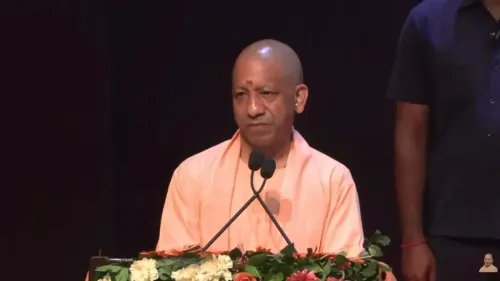
Posting on X, CM Yogi described the development as 'जनगणना का द्वितीय और निर्णायक चरण' — 'the second and decisive phase of the Census' — beginning today. The announcement signals that Uttar Pradesh, India's most populous state, is actively mobilising for the population enumeration stage of the exercise.
Why this phase is the one that counts
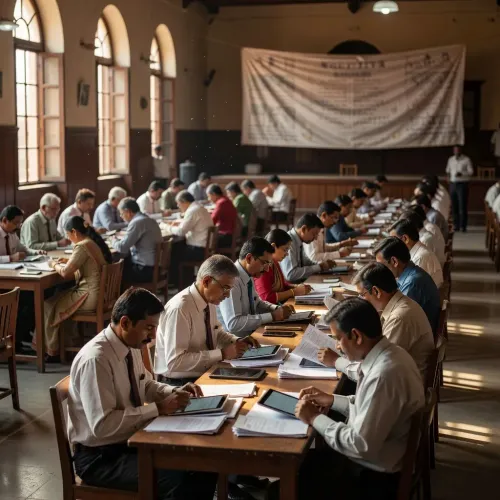
India's Census is a two-part exercise under the Census Act, 1948, conducted by the Office of the Registrar General of India. The first phase — house-listing and the housing census — maps the physical landscape: dwellings, amenities, assets. The second phase is the actual headcount: every individual, every household, enumerated and recorded. It is this phase that generates the population figures that drive delimitation of parliamentary constituencies, targeting of welfare schemes, and allocation of central resources to states.
Uttar Pradesh carries outsized weight in any national census. With a population that exceeds most countries in the world, the data flowing from this single state shapes everything from Lok Sabha seat counts to per-capita fund transfers under flagship central programmes.
Fifteen years of missing data — and what that costs
The 2021 Census was postponed, initially due to the COVID-19 pandemic, and preparatory work stretched across subsequent years without a final enumeration. That gap — now stretching past fifteen years since the last completed count — has left planners, economists, and administrators working from increasingly dated baselines. Welfare scheme beneficiary lists, poverty estimates, and even electoral rolls have had to rely on projections rather than hard counts.
The resumption of the Census, now carrying the year 2026, is not merely administrative housekeeping. It is a foundational reset for public policy in the world's most populous democracy.
What Uttar Pradesh's mobilisation signals
CM Yogi's public announcement reflects that state machinery — enumerators, supervisors, training infrastructure — is being activated. Uttar Pradesh's sheer scale means its operational readiness is a bellwether for the national exercise. A smooth run here would validate the logistics model for the rest of the country.
Provisional figures from this phase, once compiled, will be the first fresh demographic portrait of India in a decade and a half — and every policy conversation in the country will reset around them.
Point of View
Forcing every planning exercise to rest on projections. For the BJP government in Uttar Pradesh, overseeing a smooth enumeration in the state with the highest Lok Sabha seat count is both a governance credential and a political stake: Census data will directly inform the upcoming delimitation exercise, which could redraw the map of electoral power. CM Yogi's public framing of this as a 'decisive' phase signals the state intends to lead visibly on an exercise that will define India's policy arithmetic for the next decade.
NationPress
16 Nov 2026
Frequently Asked Questions
What is the second phase of the India Census 2026?
The second phase is the population enumeration stage, where enumerators visit every household to record details of all individuals. It follows the first phase of house-listing and is the stage that produces official population figures used for delimitation and welfare planning.
When was the last Census conducted in India?
The last completed Census in India was held in 2011 . The planned 2021 Census was postponed due to the COVID-19 pandemic and preparatory delays, making the current exercise the first full enumeration in over fifteen years.
Why does the Census matter for Uttar Pradesh?
Uttar Pradesh is India's most populous state and holds the largest number of Lok Sabha seats. Census data determines how central funds are allocated and will inform the forthcoming delimitation of parliamentary constituencies, giving the state enormous stakes in an accurate count.
What law governs the Census in India?
The Census of India is conducted under the Census Act, 1948 , by the Office of the Registrar General of India. The Act mandates participation and governs data collection, processing, and confidentiality.
What will Census 2026 data be used for?
The data will be used for delimitation of Lok Sabha and state assembly constituencies, targeting beneficiaries of central welfare schemes, allocating financial resources to states, and providing the statistical baseline for public policy, infrastructure planning, and economic research.