CM Yogi: Gorakhpur is now encephalitis-free after decades of neglect
Synopsis
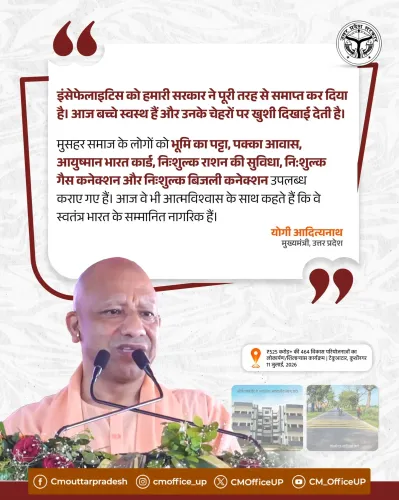
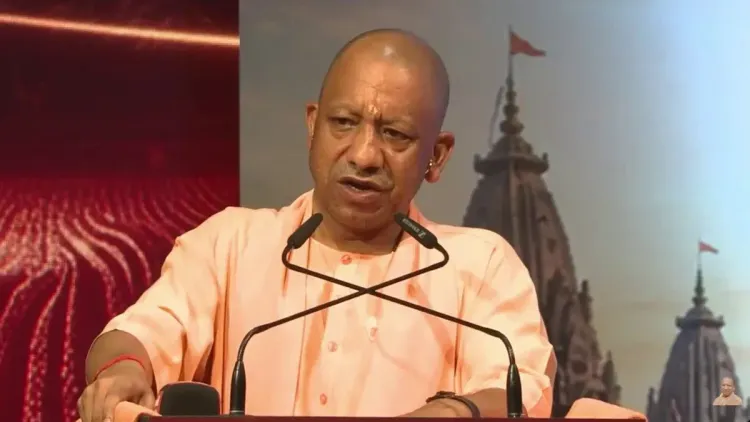
Chief Minister Yogi Adityanath declared Gorakhpur encephalitis-free on August 11, 2026, accusing Congress and SP of failing to build treatment infrastructure and crediting his own fight as MP — from street protests to Parliament — for turning the tide in Purvanchal.
Key Takeaways
CM Yogi Adityanath declared the Gorakhpur region encephalitis-free on August 11, 2026 .
He accused Congress and the Samajwadi Party of making no arrangements for encephalitis treatment during their respective tenures.
As Gorakhpur MP , Yogi Adityanath campaigned on encephalitis from street level to Parliament before becoming Chief Minister.
After BJP came to power in UP in 2017 , the state expanded Japanese Encephalitis vaccination drives and upgraded district hospital capacity.
The National Vector Borne Disease Control Programme provided the central framework for JE vaccination and surveillance in the region.
A formal, verified declaration of encephalitis-free status from state health authorities is the next benchmark to watch.
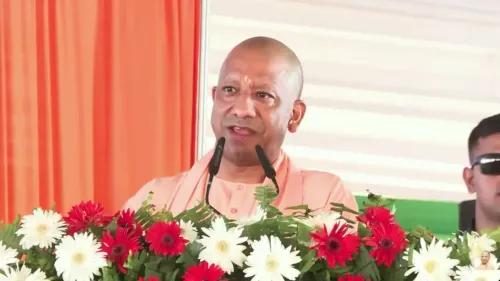
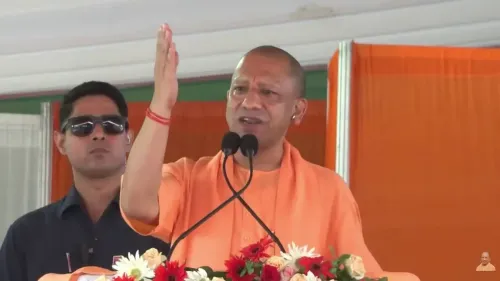
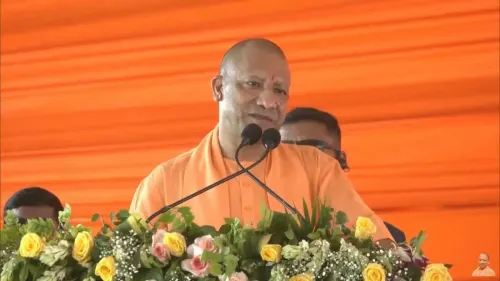
For decades, Gorakhpur and the broader Purvanchal belt of eastern Uttar Pradesh were synonymous with one grim annual ritual — children dying in waves from Japanese Encephalitis and Acute Encephalitis Syndrome, while governments looked away. On Tuesday, August 11, 2026, Uttar Pradesh Chief Minister Yogi Adityanath declared that the region has broken free of that cycle, crediting a fight he says he carried from the streets to the floor of Parliament during his years as a Member of Parliament from Gorakhpur.
In his post on X, CM Yogi stated plainly: 'Congress aur Samajwadi Party ne insephalitis ke upchar ki koi vyavastha nahin ki' — 'Neither the Congress nor the Samajwadi Party made any arrangement for the treatment of encephalitis.' He added that as an MP he waged that battle from the streets to Parliament, and that the region today is encephalitis-free.
Gorakhpur's long war with a deadly disease
Japanese Encephalitis, a mosquito-borne viral infection, ravaged Purvanchal for decades. The region's low-lying paddy fields and poor sanitation created ideal breeding conditions for the Culex mosquito, and every monsoon season brought fresh outbreaks concentrated heavily among young children. District hospitals were chronically underprepared, and mortality figures from Gorakhpur's BRD Medical College became a recurring national headline.
During the years when the Samajwadi Party governed Uttar Pradesh (2012–2017) and the Indian National Congress held power at the Centre before that, Yogi Adityanath — then a sitting MP from Gorakhpur — made encephalitis a consistent legislative priority, raising it in Parliament and organising local awareness drives. The political charge he levels now is that neither dispensation built the treatment infrastructure the region needed.
From MP's campaign to Chief Minister's claim
After BJP formed the government in Uttar Pradesh in 2017 with Yogi Adityanath as Chief Minister, the state pushed Japanese Encephalitis vaccination drives, upgraded district hospital capacity, and expanded vector surveillance under the National Vector Borne Disease Control Programme. The combination of vaccination coverage and improved case management has been cited by the state government as the reason for the dramatic fall in reported cases.
The claim that Gorakhpur is now fully encephalitis-free is a significant political and public-health assertion. Health outcome data from the region has shown a sustained decline in AES and JE cases over recent years, though any formal district-level declaration of encephalitis-free status would require verification from state health department bulletins.
A political fault line that runs through public health
The timing and framing of the post are pointed. By naming Congress and SP specifically, Yogi Adityanath is doing more than marking a health milestone — he is drawing a direct line between past governance failures and present outcomes, keeping a live fault line charged ahead of the political cycle. For families in Purvanchal who lost children to encephalitis, the claim carries emotional weight that no policy document can fully replicate.
If the state's public health data sustains this trajectory, Gorakhpur's transformation from an encephalitis hotspot to a disease-free zone would be one of the more striking public-health turnarounds in recent Indian state history — and a campaign narrative the BJP in Uttar Pradesh is clearly determined to own.
Point of View
Long a humanitarian flashpoint in Purvanchal, is being actively converted into electoral capital. It also reflects a broader BJP pattern of contrasting 'double-engine government' outcomes against pre-2017 UP governance. The unverified nature of any formal encephalitis-free declaration means the claim will face scrutiny from opposition parties and public health observers in the weeks ahead.
NationPress
11 Aug 2026
Frequently Asked Questions
Is Gorakhpur officially declared encephalitis-free?
Chief Minister Yogi Adityanath has claimed the region is encephalitis-free, citing sustained declines in Japanese Encephalitis and AES cases. A formal, verified declaration from state health authorities has not been independently confirmed as of August 2026.
What did Yogi Adityanath do about encephalitis when he was an MP?
As the Member of Parliament from Gorakhpur, Yogi Adityanath raised the encephalitis crisis repeatedly in Parliament and organised ground-level campaigns, advocating for treatment infrastructure that he says the then-ruling Congress and Samajwadi Party governments failed to provide.
Why was Gorakhpur so badly affected by Japanese Encephalitis?
Gorakhpur's low-lying paddy fields, poor sanitation, and proximity to water bodies created ideal breeding conditions for the Culex mosquito that carries Japanese Encephalitis, leading to annual outbreaks that disproportionately killed children in the Purvanchal region for decades.
What steps did the UP government take to control encephalitis after 2017?
After the BJP government took power in Uttar Pradesh in 2017, the state expanded Japanese Encephalitis vaccination drives, upgraded district hospitals, and strengthened disease surveillance under the National Vector Borne Disease Control Programme.
What is Acute Encephalitis Syndrome (AES) and how is it linked to Gorakhpur?
Acute Encephalitis Syndrome is a group of neurological conditions causing fever and brain inflammation, of which Japanese Encephalitis is one cause. Gorakhpur's BRD Medical College became a national focal point for AES deaths, making the district a symbol of the public-health challenge in eastern Uttar Pradesh.