CM Yogi: Gorakhpur's 7.75-km RCC drain phase one complete
Synopsis
Chief Minister Yogi Adityanath announces the completion of a 7.75-km RCC drain and flanking sewer lines in Phase 1 of the Godhoya Nala project in Gorakhpur, aimed at preserving the cleanliness and ecological health of the historic Ramgarhtal lake.
Key Takeaways
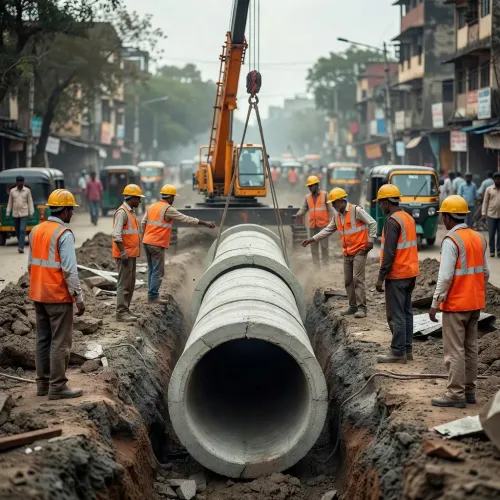
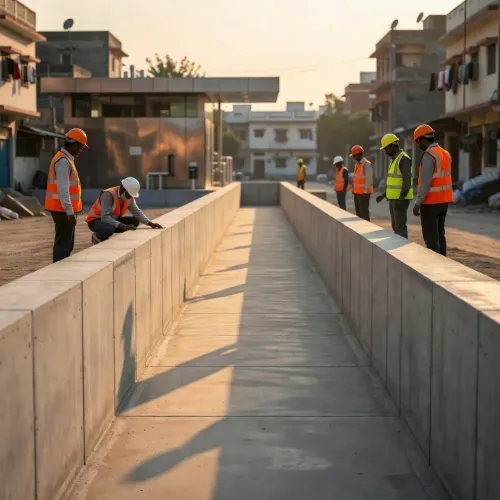
7.75 kilometres of RCC-lined drain have been constructed in Phase 1 of the Godhoya Nala project in Gorakhpur .
Sewer lines have been laid along both sides of the new channel, intercepting effluent before it enters the drain.
The project is designed to protect Ramgarhtal , Gorakhpur's historic lake, from pollution and degradation.
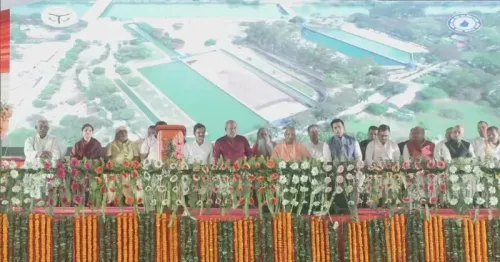
The announcement was made by Chief Minister Yogi Adityanath on 1 November 2026 via the CMO Uttar Pradesh.
Phase 2 of the Godhoya Nala works and Ramgarhtal water-quality data are the next milestones to watch.
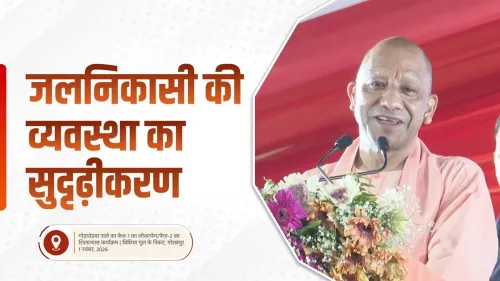
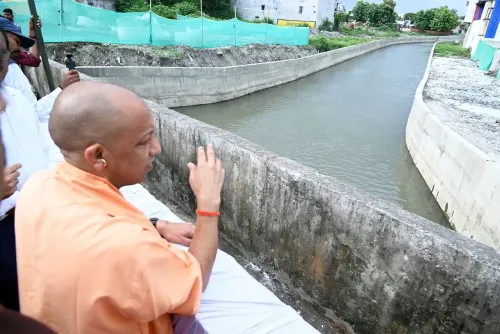
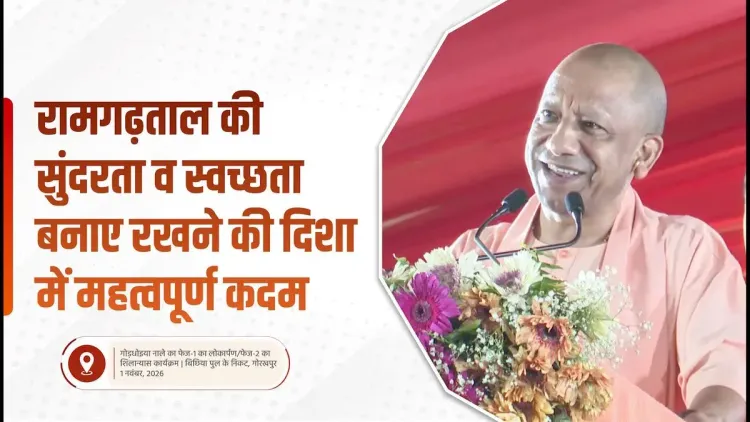
A 7.75-kilometre reinforced-concrete drainage channel — part of the phased overhaul of Godhoya Nala in Gorakhpur — has been completed, Chief Minister Yogi Adityanath announced on Sunday, 1 November 2026, marking a concrete step in the city's long-running effort to clean up one of its most celebrated water bodies.
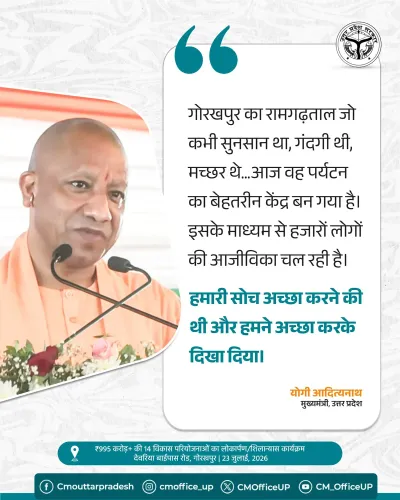
Speaking through the Chief Minister's Office of Uttar Pradesh, CM Yogi said: 'Aaj mujhe batate hue prasannata hai ki Godhoya Nale ke pratham charan mein lagbhag 7.75 kilometre lambe RCC nale ka nirman kary pura ho chuka hai' — 'I am pleased to announce today that the construction of an approximately 7.75-kilometre-long RCC drain in the first phase of Godhoya Nala has been completed.' Sewer lines have simultaneously been laid along both sides of the channel.
What the Godhoya Nala project actually does
Godhoya Nala is a drainage channel in Gorakhpur that feeds directly into Ramgarhtal, the historic lake at the city's heart. For years, untreated runoff and sewage carried by the nala degraded the lake's water quality. The new RCC (Reinforced Cement Concrete) lined channel replaces an earthen or unlined section, sharply cutting seepage and uncontrolled discharge. The parallel sewer lines intercept domestic and commercial effluent before it can enter the stormwater drain — the two-in-one approach that urban engineers in Uttar Pradesh have standardised for similar interventions across eastern UP municipal corporations.
CM Yogi noted directly that the work will help 'maintain the cleanliness and beauty of Ramgarhtal.' That is not incidental phrasing. Ramgarhtal has been the subject of repeated state-led conservation drives since the mid-2010s, and its condition is both an environmental and a political benchmark for Gorakhpur — a city Yogi Adityanath represented in Parliament for five consecutive terms before becoming Chief Minister.
Ramgarhtal's long road to recovery
The lake has been central to Gorakhpur's civic identity for generations, and its gradual degradation from encroachment and pollution became a visible symbol of urban neglect. Uttar Pradesh's urban development programmes have channelled resources into Gorakhpur's drainage and sewerage grid since the mid-2010s, with each successive phase widening the network of treated outflows. This first-phase completion on Godhoya Nala fits squarely inside that decade-long arc — methodical, incremental, and now delivering measurable physical infrastructure.
The next markers to watch: an official announcement on Phase 2 of Godhoya Nala works, and any reported changes in Ramgarhtal's water-quality parameters that validate the engineering investment on the ground.
Gorakhpur just got a cleaner drain. Whether Ramgarhtal gets visibly cleaner water will be the real proof of concept.
Point of View
Moving beyond cosmetic fixes. The Ramgarhtal framing is shrewd: a visible, beloved water body gives this otherwise technical project a human and ecological face. The real test comes when independent water-quality assessments of the lake either validate the engineering or expose remaining gaps in the catchment network.
NationPress
1 Nov 2026
Frequently Asked Questions
What is Godhoya Nala in Gorakhpur?
Godhoya Nala is a drainage channel in Gorakhpur, Uttar Pradesh, that flows into Ramgarhtal lake. Unlined and without interceptor sewers, it historically carried untreated runoff and sewage directly into the lake, degrading its water quality.
What work has been completed on Godhoya Nala?
Phase 1 of the project has completed the construction of a 7.75-kilometre RCC-lined drain. Sewer lines have also been laid along both sides of the channel to intercept effluent before it enters the stormwater drain.
How will the Godhoya Nala project help Ramgarhtal?
By lining the drain and adding interceptor sewers, the project significantly reduces untreated discharge into Ramgarhtal, helping maintain the lake's cleanliness and ecological health, as stated by CM Yogi Adityanath.
What is Ramgarhtal and why does it matter?
Ramgarhtal is a historic lake in Gorakhpur, Uttar Pradesh. It is central to the city's identity and has been the focus of multiple state-led conservation and pollution-control efforts over the past decade.
What comes next after Phase 1 of the Godhoya Nala project?
The next expected milestones are an official announcement on Phase 2 of the Godhoya Nala works and measurable improvements in Ramgarhtal's water-quality parameters that would validate the infrastructure investment.