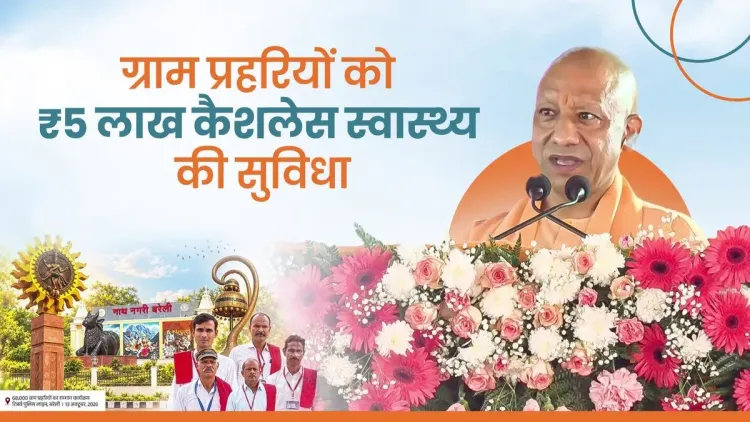
CM Yogi Extends ₹5 Lakh Cashless Health Cover to Gram Praharis
Synopsis
Uttar Pradesh CM Yogi Adityanath has announced cashless health coverage of up to ₹5 lakh per year for Gram Praharis — village-level security guards — and their families, extending the state's welfare net to a critical but historically under-served frontline workforce.
Key Takeaways
Gram Praharis and their families will receive up to ₹5 lakh in cashless health coverage annually under the new announcement.
The announcement was made by the Chief Minister's Office of Uttar Pradesh on 13 October 2026 , attributed to CM Yogi Adityanath .
Gram Praharis are village-level guards deployed across rural Uttar Pradesh to support local policing and security duties.
The move continues a state pattern of layering cashless health benefits onto occupational groups tied to UP's security network.
Key operational details — empanelled hospitals, enrollment process, and scheme linkages — are yet to be specified via government orders.
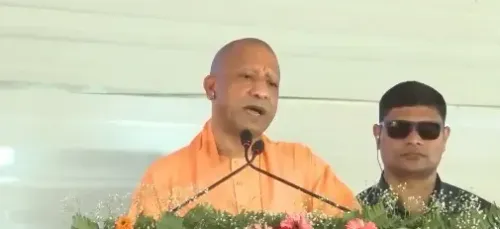
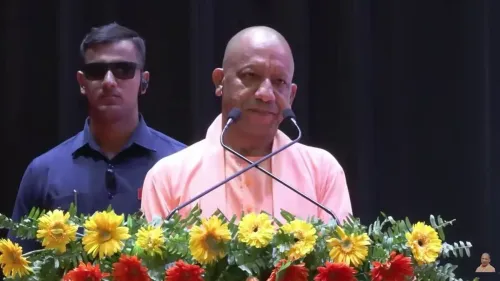
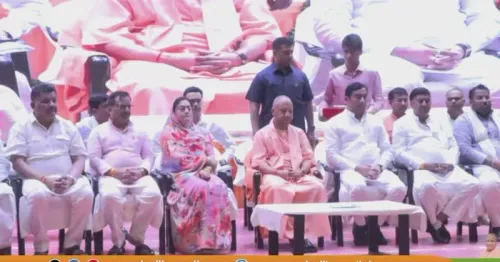
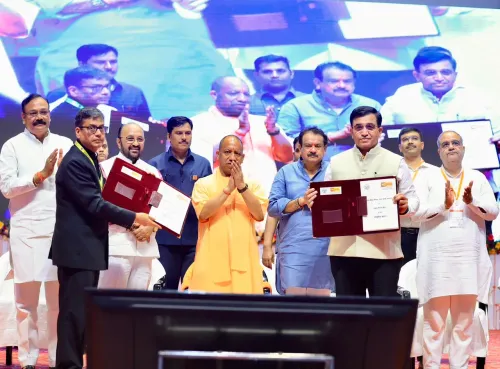
Village guards who patrol Uttar Pradesh's rural heartland — and their families — are about to get a significant health-security upgrade. The Chief Minister's Office of Uttar Pradesh announced on Tuesday, 13 October 2026 that the state government will take a major step toward providing cashless healthcare to Gram Praharis and their families, with an annual cover of up to ₹5 lakh.
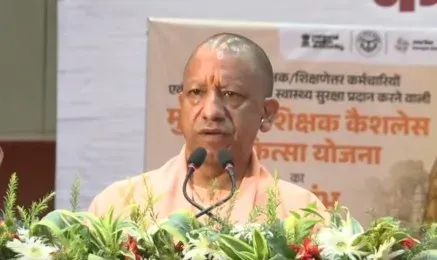
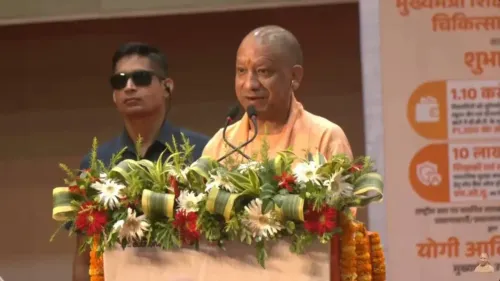
In the words of Chief Minister Yogi Adityanath, the move is aimed at providing 'better health protection' (behtar swasthya suraksha) to the village guards and those who depend on them. The announcement, attributed directly to the Chief Minister, signals a deliberate policy choice: extend the cashless health ecosystem — already available to some state-linked categories — to a frontline rural-security workforce that has historically received limited formal welfare coverage.
Who Are Gram Praharis — and Why This Matters
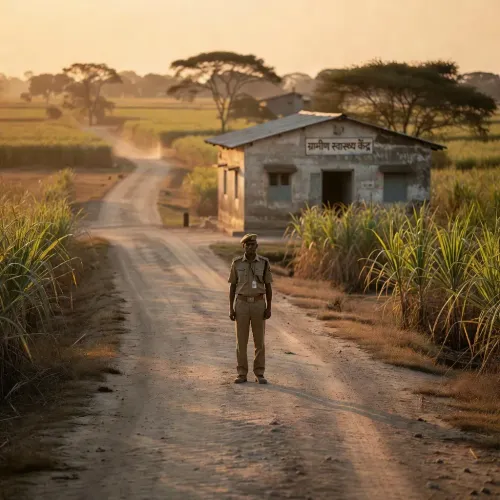
Gram Praharis are village-level guards deployed across rural Uttar Pradesh to support local policing and security functions. They operate at the last mile of the state's law-and-order architecture — visible, essential, and often under-resourced. Their role has grown in salience under the Yogi Adityanath government, which has repeatedly framed rural security as central to its governance identity since 2017.
Yet formal health coverage for this occupational group has lagged behind. A cashless annual limit of ₹5 lakh per family would meaningfully reduce out-of-pocket medical costs — the single largest driver of rural household debt in India — and place Gram Praharis on a comparable footing with other state-supported categories.
Layering Benefits Onto an Existing Security Workforce
The announcement fits a clear pattern in Uttar Pradesh's welfare strategy: rather than creating standalone insurance products, the government has incrementally layered cashless benefits onto occupational categories already embedded in the state's security and administrative network. Each extension deepens the state's social compact with personnel whose cooperation it depends on at the ground level.
What remains to be specified are the operational details — the list of empanelled hospitals, the enrollment mechanism, and any linkage with existing state health schemes. Those government orders, when issued, will determine how quickly and how easily Gram Praharis and their families can actually access the promised cover.
A government that has spent nearly a decade rebranding Uttar Pradesh as a law-and-order state now puts its money behind the people who enforce that brand at the village gate. The next question is execution — because a ₹5 lakh ceiling means nothing without a hospital within reach.
Point of View
Occupational-category-specific benefits that reinforce loyalty among ground-level functionaries. For Gram Praharis, formal health coverage closes a long-standing gap between their security role and their social protection. Politically, the move shores up support among a dispersed rural workforce ahead of any electoral cycle. The critical variable now is implementation speed — cashless schemes that lack adequate hospital networks or enrollment systems routinely fail the very beneficiaries they are designed to serve.
NationPress
13 Oct 2026
Frequently Asked Questions
What is the Gram Prahari cashless health scheme in Uttar Pradesh?
The Uttar Pradesh government has announced a cashless health coverage scheme for Gram Praharis — village-level security guards — and their families, providing up to ₹5 lakh in medical cover per year.
Who are Gram Praharis in Uttar Pradesh?
Gram Praharis are village-level guards deployed across rural Uttar Pradesh to assist in local security and policing functions, forming the last mile of the state's law-and-order network.
How much health cover will Gram Praharis get under the new UP scheme?
Under the announced scheme, Gram Praharis and their family members will be eligible for up to ₹5 lakh in cashless health benefits annually.
When did CM Yogi announce the Gram Prahari health scheme?
Chief Minister Yogi Adityanath's announcement was shared by the Chief Minister's Office of Uttar Pradesh on Tuesday, 13 October 2026.
Will the Gram Prahari health scheme be linked to existing UP health programmes?
The government has not yet specified whether the scheme will be linked to existing state health programmes; those details are expected in subsequent government orders covering empanelled hospitals and enrollment mechanisms.