CM Yogi Extends ₹5 Lakh Cashless Health Cover to UP's 68,000 Gram Praharis
Synopsis
The Uttar Pradesh government announced cashless health coverage of up to ₹5 lakh per year for 68,000 Gram Praharis and their families, paired with an honorarium increase — extending the state's welfare net to village-level auxiliary security personnel.
Key Takeaways
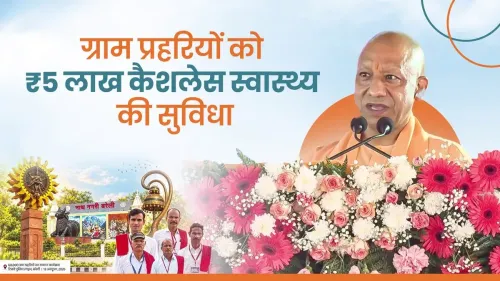
68,000 Gram Praharis in Uttar Pradesh will receive cashless health coverage of up to ₹5 lakh per year for themselves and their family members.
The health benefit is being announced alongside a honorarium hike for the village guards.
The announcement was made by CM Yogi Adityanath via the official Chief Minister's Office of Uttar Pradesh account on 13 October 2026 .
Gram Praharis are auxiliary rural security personnel who earn honoraria rather than regular government salaries, historically leaving them outside formal health safety nets.
Implementation details — including empanelled hospitals, eligibility norms, and budget allocation — are yet to be notified through official government orders.
Sixty-eight thousand village guards quietly keeping the peace in Uttar Pradesh's rural heartland are about to get something they never had before: a health safety net. Chief Minister Yogi Adityanath, through the Chief Minister's Office of Uttar Pradesh, announced on Tuesday, 13 October 2026 that the state will extend cashless health coverage of up to ₹5 lakh per year to every Gram Prahari (village guard) and their family members — bundled with a simultaneous hike in their monthly honoraria.
What the announcement promises Gram Praharis
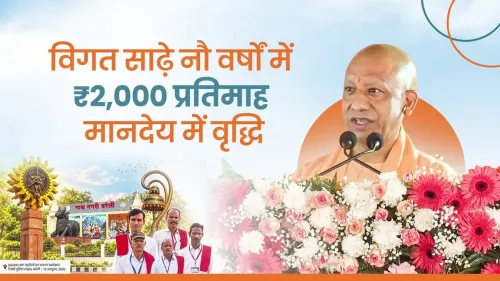
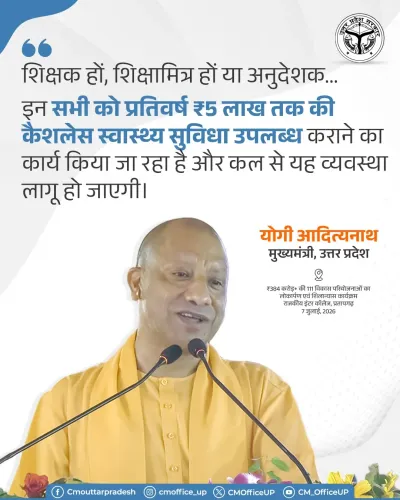
The post, attributed directly to CM Yogi Adityanath, states: 'Along with the honorarium hike, we are going to take a big step towards providing cashless health facilities to the state's 68,000 Gram Praharis and their families. Under this, Gram Praharis and their family members will receive cashless health facilities of up to ₹5 lakh per year.' The twin benefit — more pay, more protection — is designed to land as a single, tangible upgrade to the lives of a workforce that has historically operated at the margins of the state's formal welfare architecture.
Who the Gram Praharis are and why this matters
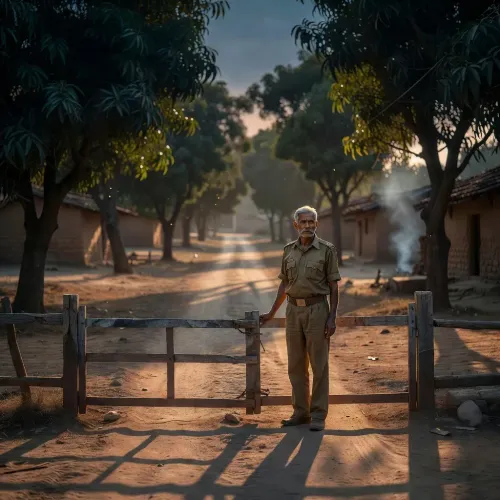
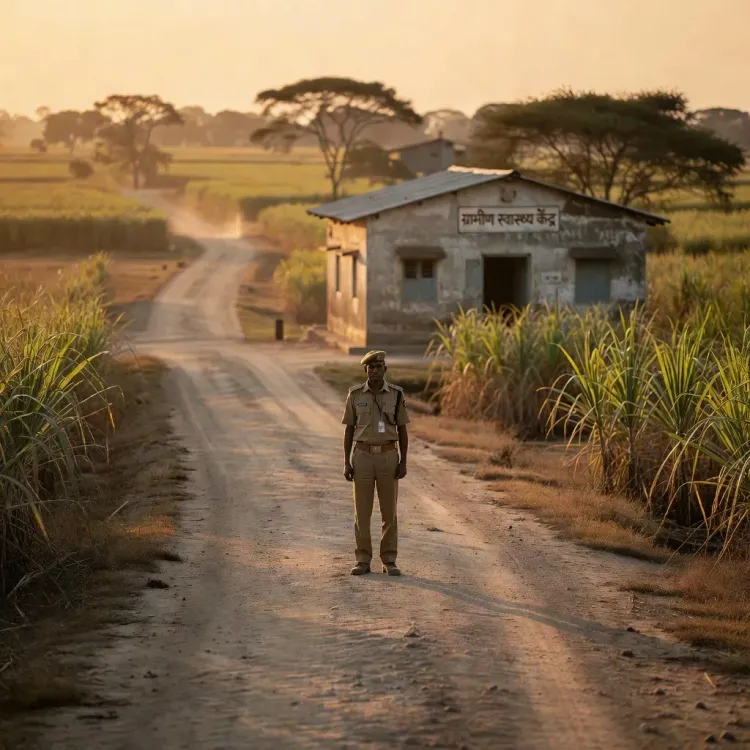
Gram Praharis are village-level auxiliary security personnel deployed across Uttar Pradesh to support rural law and order. They function outside the regular police cadre, earning honoraria rather than full government salaries, which has traditionally left them and their dependants exposed on the healthcare front. For a family in rural UP, a single hospitalisation can erase months of income. A ₹5 lakh cashless ceiling — delivered without upfront payment at empanelled hospitals — addresses precisely that vulnerability.
The move fits a recognisable pattern in UP's governance playbook: successive administrations have periodically revised honoraria for auxiliary rural functionaries and, more recently, have extended cashless health models beyond the central Ayushman Bharat framework to cover occupational groups the national scheme does not reach by default. Bundling remuneration and health benefits in one announcement amplifies the political and welfare signal simultaneously.
What comes next before the cover activates
The announcement sets the direction; the detail work lies ahead. Official government orders will need to specify eligibility criteria, the list of empanelled hospitals, and the premium-sharing or budgetary mechanism that funds the cover. Whether the expenditure flows through existing supplementary estimates or is formally earmarked in the next Uttar Pradesh state budget will be the clearest indicator of how quickly the benefit moves from declaration to delivery for the state's village guards and their families.
For now, the message from Lucknow is unambiguous: the people standing watch over UP's villages are next in line for the state's expanding welfare umbrella — and the government wants that known.
Frequently Asked Questions
What is the Gram Prahari cashless health scheme in Uttar Pradesh?
It is a proposed state government benefit that will provide cashless health coverage of up to ₹5 lakh per year to UP's 68,000 Gram Praharis (village guards) and their family members, announced by CM Yogi Adityanath on 13 October 2026.
Who are Gram Praharis in Uttar Pradesh?
Gram Praharis are village-level auxiliary security personnel deployed across Uttar Pradesh to support rural law and order. They are not regular police officers and are paid an honorarium by the state government.
How much cashless health cover will Gram Praharis get?
Each Gram Prahari and their family members will be eligible for up to ₹5 lakh in cashless health benefits per year under the announced scheme.
Is the Gram Prahari health scheme part of Ayushman Bharat?
The announcement positions it as a state-level benefit, consistent with Uttar Pradesh's broader practice of extending cashless health models to occupational groups beyond the central Ayushman Bharat framework. Formal scheme rules have not yet been notified.
When will the Gram Prahari health scheme be implemented?
No specific implementation date has been announced yet. Official government orders detailing eligibility, empanelled hospitals, and funding arrangements are awaited.