CM Yogi Wishes Uttarakhand on Igas Festival
Synopsis
UP Chief Minister Yogi Adityanath greeted Uttarakhand residents on Igas, the state's traditional post-Diwali folk festival, invoking Baba Kedarnath's blessings for prosperity and new energy on 20 November 2026.
Key Takeaways
CM Yogi Adityanath posted Igas greetings for Uttarakhand on 20 November 2026 .
Igas is a traditional post-Diwali Himalayan folk festival unique to Uttarakhand, symbolising the state's distinct cultural identity.
Yogi invoked Baba Kedarnath , one of Hinduism's twelve Jyotirlingas located in Uttarakhand, in his blessing.
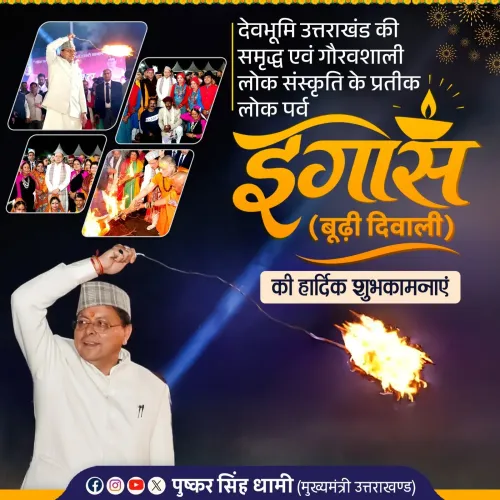
He called Igas a symbol of Devbhoomi Uttarakhand's cultural heritage and folk traditions.
Uttarakhand was carved out of Uttar Pradesh in 2000 , and CM Yogi regularly acknowledges shared cultural bonds between the two states.
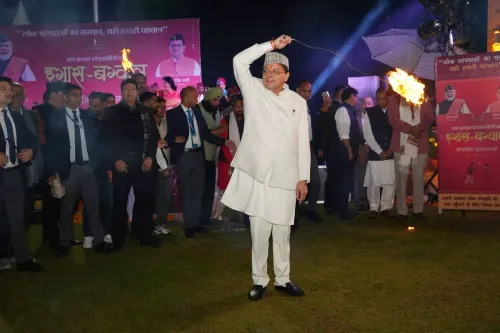
A Himalayan folk festival, a Shiva pilgrimage, and a cross-border blessing — Uttar Pradesh Chief Minister Yogi Adityanath extended warm greetings to the people of Uttarakhand on Igas, the state's cherished post-Diwali celebration, on Friday, 20 November 2026.
In his message, CM Yogi described Igas as a sacred festival — 'sांस्कृतिक पहचान और लोक परंपराओं का प्रतीक' ('a symbol of cultural identity and folk traditions') — of Devbhoomi Uttarakhand, the land long revered as the abode of the gods. He also invoked Baba Kedarnath, the presiding deity of one of Hinduism's most sacred Shiva shrines, praying that the festival bring 'new enthusiasm, new consciousness, and happiness and prosperity' to every household.
What is Igas — and why does it matter
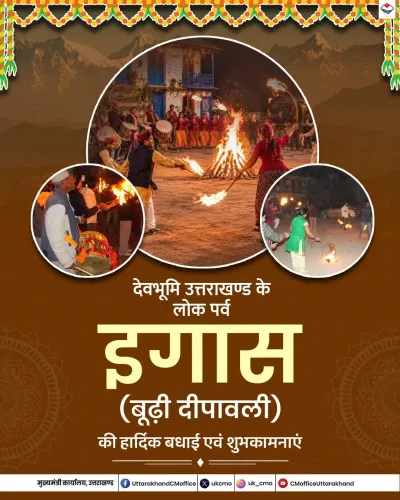
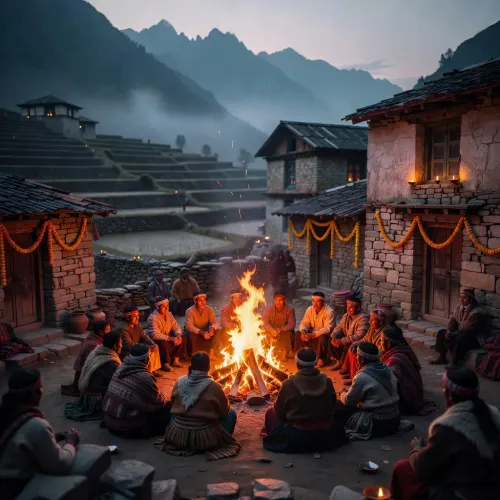
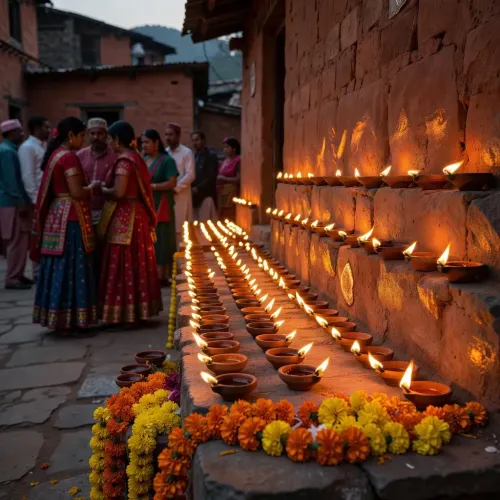
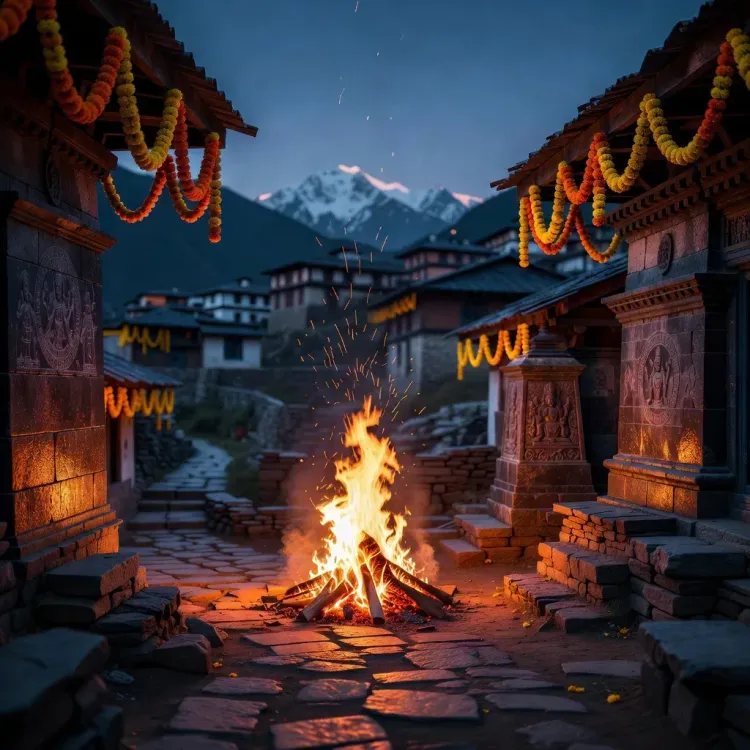
Igas is a distinctive festival observed in the hills of Uttarakhand, celebrated roughly eleven days after Diwali. It marks the moment, according to local lore, when soldiers and travellers in the remote Himalayan villages finally received word of Lord Ram's return to Ayodhya — lighting their own lamps and celebrating in joyful delay. The festival is a living thread of folk memory, dances, and community bonfires that separates Uttarakhand's highland culture from the plains traditions around it.
Yogi's Kedarnath invocation — a recurring motif
CM Yogi Adityanath, as head of the Gorakhnath Math, consistently frames his public messages within the Shaivite and broader Hindu cultural universe shared across the Himalayan north. His reference to Baba Kedarnath — located in Rudraprayag district, Uttarakhand — is both a spiritual gesture and a signal of the deep cultural continuity he emphasises between Uttar Pradesh and the state carved out of it in 2000. Kedarnath, one of the twelve Jyotirlingas, draws millions of pilgrims each year and anchors the region's sacred geography in the national imagination.
The greeting carries no policy dimension — but it reinforces the warm ties Yogi has consistently maintained with Uttarakhand's cultural and religious identity, even as the two states function separately.
Point of View
His religious authority lends these greetings a weight beyond routine political courtesy. The Kedarnath reference is particularly deliberate — it positions him as a steward of the entire sacred Himalayan corridor, not just his own state. Over time, such messaging reinforces a pan-North India Hindu cultural identity that sits at the core of his public persona.
NationPress
20 Nov 2026
Frequently Asked Questions
What is Igas festival in Uttarakhand?
Igas is a traditional post-Diwali folk festival celebrated in the hills of Uttarakhand, observed roughly eleven days after Diwali. It marks the delayed celebration by Himalayan villagers upon receiving news of Lord Ram's return to Ayodhya, and is associated with community bonfires, folk dances, and local cultural customs.
Why did CM Yogi Adityanath wish Uttarakhand on Igas?
As a prominent Shaivite religious leader and head of Gorakhnath Math, CM Yogi Adityanath regularly extends greetings for Hindu and regional festivals across North India. His Igas message reflects his emphasis on the shared cultural and spiritual heritage between Uttar Pradesh and Uttarakhand.
What is the significance of Baba Kedarnath referenced by CM Yogi?
Baba Kedarnath refers to the presiding deity of the Kedarnath temple in Rudraprayag district, Uttarakhand — one of Hinduism's twelve Jyotirlingas and among the most revered Shiva pilgrimage sites in India. CM Yogi invoked Kedarnath's blessings for peace and prosperity on the occasion of Igas.
What does Devbhoomi mean?
Devbhoomi means 'land of the gods' and is a traditional name for Uttarakhand, reflecting the state's high density of Hindu temples, pilgrimage sites, and Himalayan sacred geography.
When was Uttarakhand separated from Uttar Pradesh?
Uttarakhand was carved out as a separate state from Uttar Pradesh on 9 November 2000.