CM Yogi congratulates UP Council graduate, teacher constituency winners
Synopsis
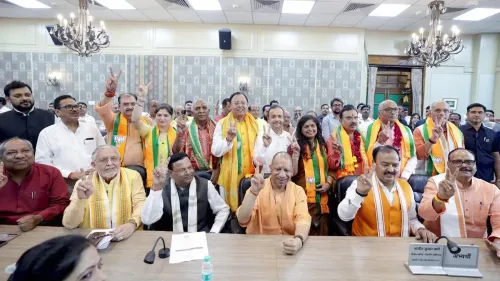
CM Yogi Adityanath congratulated all winning candidates in the 2026 biennial elections to the UP Vidhan Parishad's graduate and teacher constituencies, urging them to champion education interests and the state's progress in the legislature.
Key Takeaways
CM Yogi Adityanath offered congratulations to all winners of the 2026 UP Vidhan Parishad graduate and teacher constituency biennial elections on 28 October 2026 .
The Uttar Pradesh Legislative Council has approximately 100 members , with dedicated seats reserved for registered graduates and practising teachers under constitutional provisions.
Biennial elections rotate one-third of council seats, maintaining institutional continuity while periodically refreshing membership.
The Chief Minister called on newly elected members to give a 'powerful voice' to teacher and graduate aspirations and contribute to education advancement in the state.
The newly elected members are expected to participate in upcoming Vidhan Parishad sessions where education-related legislative proposals may be introduced.
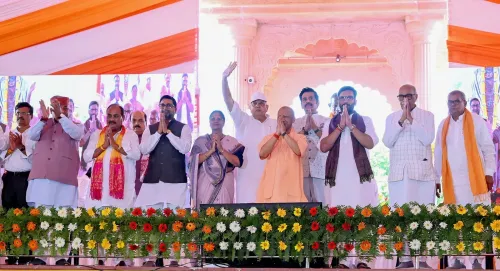
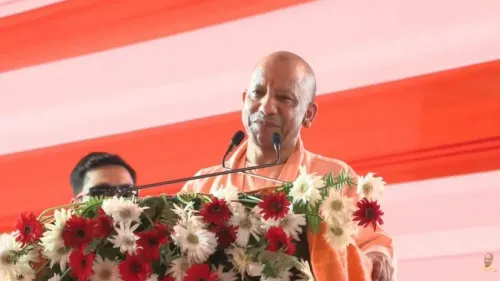
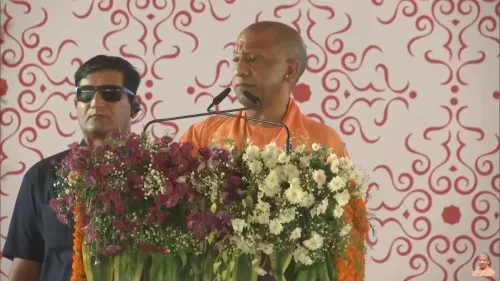
The biennial cycle of democracy in Uttar Pradesh's Legislative Council completed another quiet but consequential turn on Wednesday, 28 October 2026, as Uttar Pradesh Chief Minister Yogi Adityanath extended congratulations to all winning candidates in the graduate and teacher constituency elections to the Uttar Pradesh Vidhan Parishad.
In his message, CM Yogi wrote: 'उत्तर प्रदेश विधान परिषद के स्नातक एवं शिक्षक निर्वाचन क्षेत्रों के द्विवार्षिक निर्वाचन-2026 में विजयी सभी प्रत्याशियों को हार्दिक बधाई' — 'Heartfelt congratulations to all victorious candidates in the biennial elections to the graduate and teacher constituencies of the Uttar Pradesh Legislative Council 2026.' He expressed confidence that the new members would give 'a powerful voice to the aspirations of teachers and graduates' and contribute to the 'protection of their interests, the advancement of education, and the progress of the state.'
What the graduate and teacher seats actually represent
These are not ordinary constituencies. Under the constitutional framework governing state legislatures, the Uttar Pradesh Vidhan Parishad — the upper house of the state's bicameral legislature — reserves dedicated seats for registered graduates and practising teachers. Only those enrolled in specific functional voter rolls can cast ballots, making these among the most specialised electoral contests in Indian democratic practice.
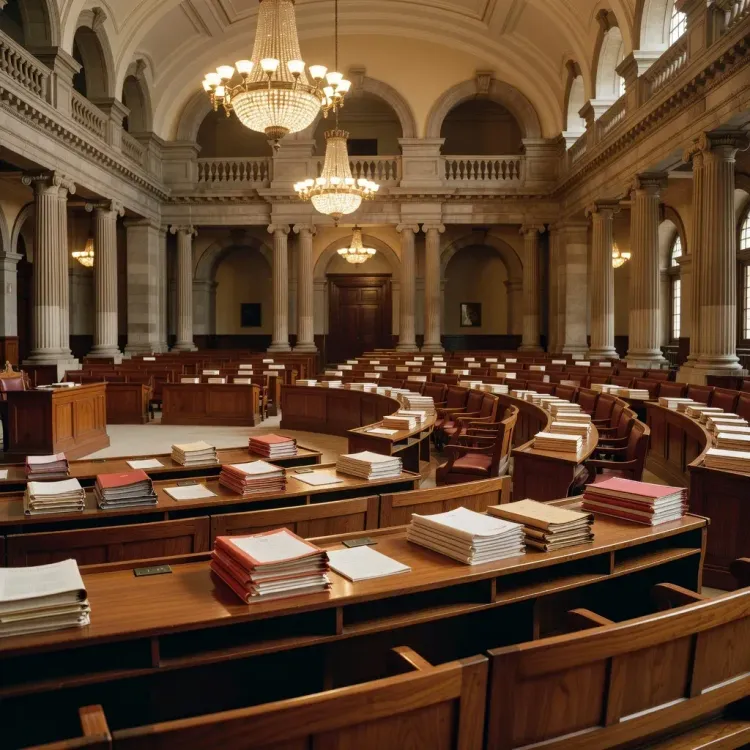
The council has approximately 100 members, with the functional constituencies forming a distinct segment elected directly by the education community rather than the general public. This gives teachers and graduates a formal legislative channel — a seat at the table where school funding, curriculum policy, and higher-education governance are debated.
Why the timing matters for UP's education agenda
The newly elected members arrive at a moment when Uttar Pradesh is pushing a wide-ranging overhaul of its school and higher-education infrastructure. The Vidhan Parishad's next sessions will offer the fresh batch of teacher and graduate representatives an immediate platform to shape or scrutinise those proposals. Their first legislative moves — on topics from teacher recruitment norms to graduate employability — will signal how actively the education community intends to use its constitutional voice.
Biennial elections replace one-third of council seats on a rolling basis, ensuring continuity while refreshing the chamber's composition. It is a rhythm baked into the Constitution — low on drama, high on institutional consequence.
For the state's several lakh registered teacher and graduate voters, the results close one chapter. For the winners settling into Lucknow's council chamber, the real test starts now.
Point of View
But it carries a quiet political signal: the BJP's investment in teacher and graduate constituency goodwill ahead of future electoral cycles in Uttar Pradesh. These functional constituencies have historically returned members with genuine policy influence over education budgets and service rules, making them worth cultivating. By publicly framing the new members' mandate around education advancement and state progress, CM Yogi sets an early expectation benchmark — one that the council members, whichever party they belong to, will be held against in their term.
NationPress
28 Oct 2026
Frequently Asked Questions
What are graduate and teacher constituencies in UP Vidhan Parishad?
These are specialised electoral segments of the Uttar Pradesh Legislative Council where only registered graduates and practising teachers, respectively, are eligible to vote — giving the education community direct legislative representation.
How often are UP Vidhan Parishad biennial elections held?
Biennial elections to the UP Legislative Council are held every two years, rotating one-third of the council's seats to ensure continuity while periodically renewing its membership.
How many members does the UP Vidhan Parishad have?
The Uttar Pradesh Legislative Council has approximately 100 members , elected through a mix of functional constituencies (graduates, teachers), local body representatives, governor nominees, and state legislative assembly members.
Why did CM Yogi congratulate UP council election winners in 2026?
CM Yogi Adityanath congratulated the winners of the 2026 UP Vidhan Parishad biennial elections from graduate and teacher constituencies, expressing hope they would advance education interests and contribute to the state's progress.
What role do teacher constituency members play in the UP legislature?
Members elected from teacher constituencies in the UP Vidhan Parishad serve as the formal legislative voice of the teaching community, with scope to raise and influence debates on education policy, teacher welfare, and related legislation.