CM Yogi Congratulates Prof. Buddha Rashmi Mani on Padma Shri
Synopsis
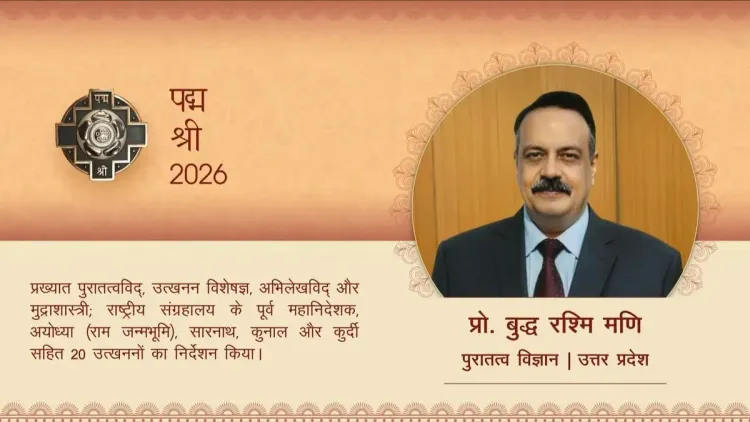
Uttar Pradesh Chief Minister Yogi Adityanath congratulated Prof. Buddha Rashmi Mani on receiving the Padma Shri from President Draupadi Murmu for his contributions to preserving Indian archaeology and cultural heritage, with notable work at Ayodhya and Sarnath.
Key Takeaways
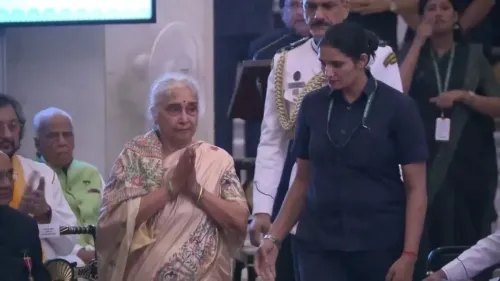
Buddha Rashmi Mani , an archaeologist from Uttar Pradesh , was conferred the Padma Shri by President Draupadi Murmu in New Delhi on 25 May 2026 .
The award recognises his contributions to Indian archaeology and cultural heritage, particularly at Ayodhya and Sarnath .
CM Yogi Adityanath called Prof.
Mani the 'pride of Uttar Pradesh' and praised his efforts to project Indian culture globally.
The Padma Shri is India's fourth-highest civilian honour, instituted in 1954 and awarded annually by the President.
Uttar Pradesh has been a focal state for heritage redevelopment, especially following the 2019 Supreme Court verdict on the Ayodhya site.
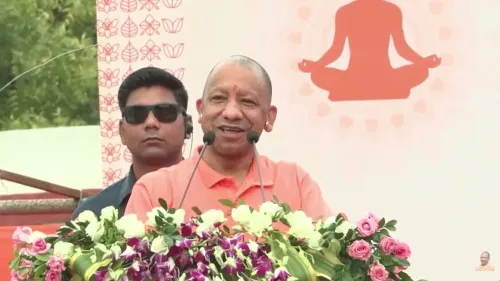
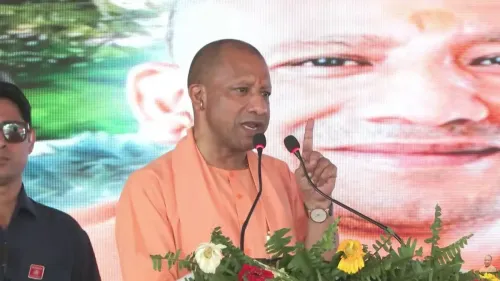
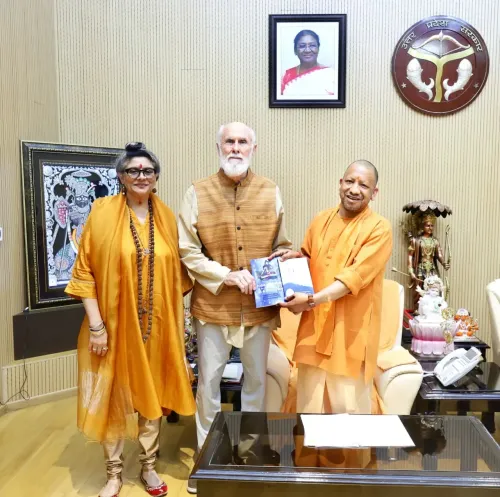
Uttar Pradesh Chief Minister Yogi Adityanath on Monday, 25 May 2026 congratulated Prof. Buddha Rashmi Mani, a distinguished archaeologist from Uttar Pradesh, on being conferred the Padma Shri by President Draupadi Murmu in New Delhi for his outstanding contributions to the preservation of Indian archaeology and cultural heritage.
Context
In his post, Chief Minister Adityanath described Prof. Mani as the 'pride of Uttar Pradesh' (उत्तर प्रदेश के गौरव) and praised his work as a 'Herculean effort' (भगीरथ प्रयास) to revive India's sacred heritage sites and project Indian culture on the global stage. The Chief Minister specifically cited the scholar's contributions to Ayodhya and Sarnath, calling his endeavour 'a source of inspiration for every citizen of the country.'
The Padma Shri, India's fourth-highest civilian honour, is awarded annually by the President of India to individuals for distinguished service in fields including arts, culture, science, and public affairs. The award was instituted in 1954.
Policy Backdrop
Ayodhya has been at the centre of large-scale heritage redevelopment in Uttar Pradesh, particularly following the 2019 Supreme Court verdict on the Ram Janmabhoomi site. The state government has since integrated archaeological conservation with pilgrimage tourism and cultural identity projects in the city.
Sarnath, located near Varanasi, is one of Buddhism's most significant archaeological sites and has been the subject of sustained conservation work under national heritage programmes. The Archaeological Survey of India has maintained active projects at the site as part of broader Buddhist circuit development.
Stakeholders and Impact
Prof. Mani's recognition underscores the growing visibility of archaeologists and heritage conservationists working on both Hindu and Buddhist sites in Uttar Pradesh. The state's tourism sector, which draws millions of pilgrims and cultural tourists annually to sites such as Ayodhya, Varanasi, and Sarnath, stands to benefit from sustained scholarly attention to these locations.
The Padma Shri conferred in the field of archaeology signals continued institutional emphasis on cultural heritage as a domain of national distinction, with Uttar Pradesh emerging as a focal state for such recognition in recent award cycles.
What's Next
Observers will watch for any new state or central government announcements linking Prof. Mani's work to upcoming heritage or tourism projects at Ayodhya or along the Buddhist circuit. Subsequent rounds of Padma awards are also expected to reflect continued policy emphasis on cultural and archaeological contributions from across India's heritage landscape.
Point of View
The Chief Minister signals an inclusive cultural narrative even as the state's heritage policy has been predominantly associated with the Ram Janmabhoomi project. The Padma Shri in archaeology from Uttar Pradesh also reinforces the state's positioning as India's pre-eminent heritage corridor. This pattern of high-visibility recognition for scholars aligned with cultural revival priorities is likely to continue as the government approaches upcoming electoral cycles.
NationPress
12 Oct 2026
Frequently Asked Questions
Who is Prof. Buddha Rashmi Mani and why did he receive the Padma Shri?
Prof. Buddha Rashmi Mani is an archaeologist from Uttar Pradesh recognised for his contributions to preserving Indian archaeology and cultural heritage, particularly at sites such as Ayodhya and Sarnath. He was conferred the Padma Shri by President Draupadi Murmu in New Delhi on 25 May 2026.
What is the Padma Shri award?
The Padma Shri is India's fourth-highest civilian honour, instituted in 1954. It is awarded annually by the President of India for distinguished service in fields including arts, culture, science, and public affairs.
What did CM Yogi Adityanath say about Prof. Buddha Rashmi Mani?
CM Yogi Adityanath called Prof. Mani the 'pride of Uttar Pradesh' and described his work on Ayodhya and Sarnath as a 'Herculean effort' to revive India's sacred heritage sites and promote Indian culture globally, adding that it is 'a source of inspiration for every citizen of the country.'
What is the significance of Ayodhya and Sarnath in Indian heritage?
Ayodhya is a sacred city in Uttar Pradesh central to Hindu heritage and has undergone large-scale redevelopment since the 2019 Supreme Court verdict. Sarnath, near Varanasi, is one of Buddhism's most important archaeological sites and has been conserved under national heritage programmes.
How does this Padma Shri recognition connect to UP's heritage policy?
Uttar Pradesh has integrated archaeological conservation with pilgrimage tourism under state policy, and the recognition of a UP-based archaeologist with a national civilian award reinforces the state's positioning as India's leading heritage corridor, spanning both Hindu and Buddhist sites.