CM Yogi Highlights Ayodhya's Twin Shrines for Pilgrims
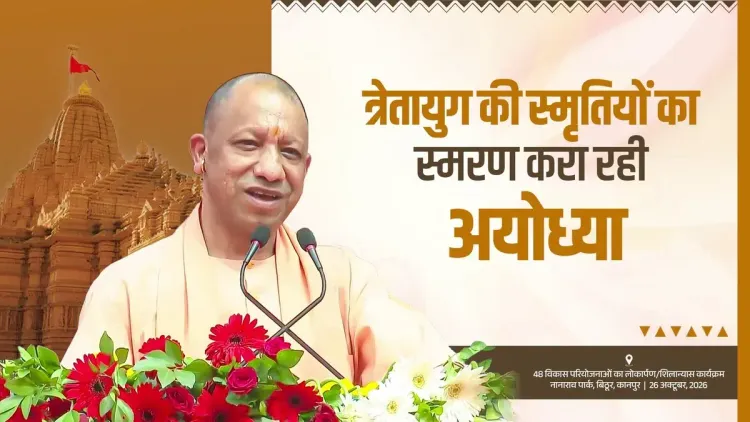
Synopsis
Chief Minister Yogi Adityanath invited pilgrims to Ayodhya's twin shrines — the Ram Janmabhoomi complex and the nearby Maharshi Valmiki temple — saying the city spontaneously revives memories of the Treta Yuga, reinforcing UP's push to develop Ayodhya as a premier religious tourism destination.
Key Takeaways
The Chief Minister's Office of Uttar Pradesh shared a note from CM Yogi Adityanath on October 26, 2026 about visiting Ayodhya .
CM Yogi highlighted the Maharshi Valmiki temple near the Shri Ram Janmabhoomi complex as a key devotional stop for pilgrims.
He described Ayodhya as spontaneously reviving memories of the Treta Yuga for visitors.
The post continues the Uttar Pradesh government's pattern of promoting Ayodhya as a religious tourism destination following the 2024 temple consecration .
The pairing of the Ram and Valmiki shrines reflects an effort to develop an integrated pilgrimage circuit within the city.
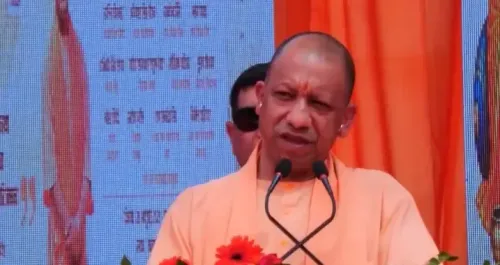
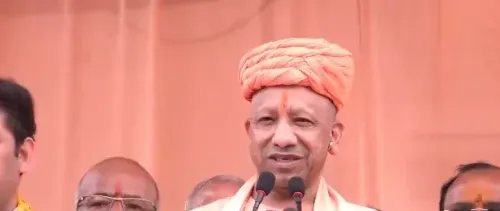
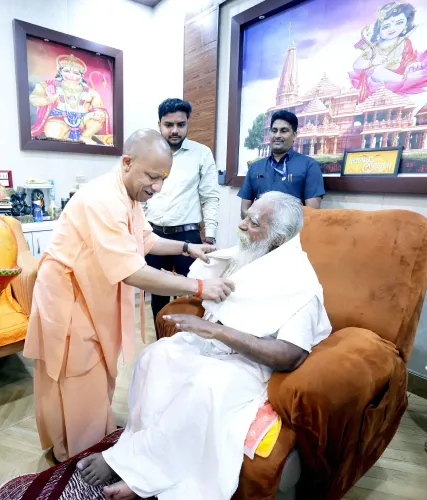
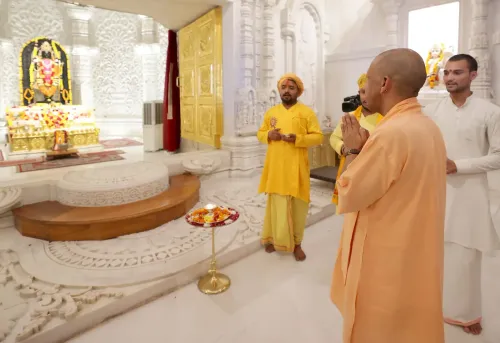
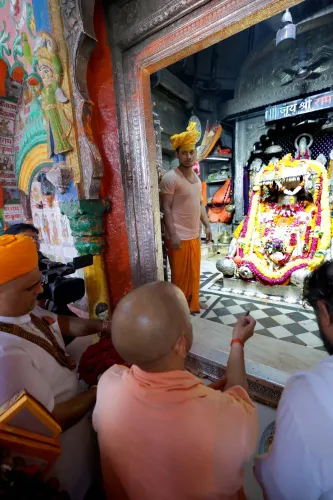
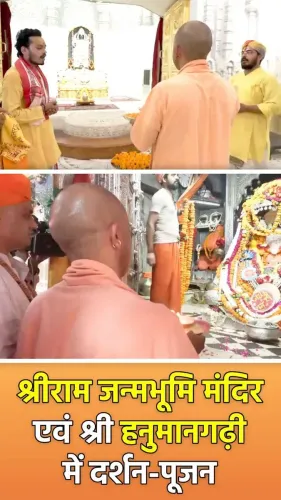
Step into Ayodhya today and the city does something remarkable — it pulls you across millennia. Chief Minister Yogi Adityanath's office shared a personal note from the CM on Monday, October 26, 2026, inviting devotees to experience not just the Shri Ram Janmabhoomi temple complex but also the adjacent shrine of Maharshi Valmiki — the sage who gave the world the Ramayana.
In his message, CM Yogi Adityanath wrote: 'Ayodhya mein aaj jab aap jaate hain toh tretayug ki smritiyan swatah hi jeevant ho uthti hain' — 'When you visit Ayodhya today, the memories of the Treta Yuga come alive on their own.' He then specifically pointed pilgrims toward the Maharshi Valmiki temple near the Ram Janmabhoomi complex, describing it as a place where one can bow in reverence after completing darshan of Lord Ramlala.
Two sacred stops, one pilgrimage circuit
The pairing of the two shrines is deliberate and layered with narrative meaning. Lord Ram is the central figure of the Ramayana; Maharshi Valmiki is its author — the rishi who composed the epic and, in later chapters of the tradition, gave shelter to Sita herself. Placing both within the same devotional itinerary creates a complete theological circuit: the subject and the storyteller, the divine protagonist and his poet-sage, within walking distance of each other in the same sacred city.
Ayodhya's transformation after the 2024 temple inauguration
The post lands against a backdrop of rapid change in Ayodhya. Following the 2019 Supreme Court verdict that allocated the disputed land for temple construction, and the 2024 consecration ceremony at the Ram Janmabhoomi temple, the Uttar Pradesh government has been actively repositioning Ayodhya as a world-class religious tourism destination. Infrastructure, accommodation, and the development of satellite pilgrimage sites — including the Valmiki temple — have all been part of that push.
The CM's consistent use of official channels to amplify Ayodhya's spiritual geography reinforces a strategy that blends cultural heritage with organised pilgrimage tourism, channelling the city's ancient identity into a modern visitor economy.
For pilgrims planning their visit: Ayodhya now offers a devotional trail that moves from Ramlala's birthplace to the memorial of the sage who first told his story. That is not just a tour — that is a homecoming across time.
Point of View
Visitworthy geography. By spotlighting the Maharshi Valmiki temple alongside the Ram Janmabhoomi complex, the CM broadens the pilgrimage narrative to include the Ramayana's author — a move with inclusive resonance given Valmiki's revered status across many communities. This fits within a broader state-level effort to convert the 2024 temple consecration's momentum into sustained pilgrimage tourism and economic activity. How quickly the Valmiki temple is integrated into official tourism circuits will be a telling indicator of how comprehensively the state translates religious messaging into infrastructure delivery.
NationPress
26 Oct 2026
Frequently Asked Questions
Where is the Maharshi Valmiki temple in Ayodhya?
The Maharshi Valmiki temple is located near the Shri Ram Janmabhoomi complex in Ayodhya, Uttar Pradesh, and can be visited as part of the same pilgrimage circuit as the Ram temple.
Can you visit both the Ram Janmabhoomi temple and the Valmiki temple in one trip?
Yes. Chief Minister Yogi Adityanath has specifically recommended visiting the Maharshi Valmiki temple after completing darshan at the Ram Janmabhoomi complex, as both are in close proximity in Ayodhya.
Why is the Valmiki temple in Ayodhya significant?
Maharshi Valmiki is the sage credited with composing the Ramayana, the epic that narrates the life of Lord Ram. His temple in Ayodhya — Ram's birthplace — creates a theologically significant connection between the divine subject and the sage who first told his story.
What has the UP government done to develop Ayodhya as a tourism destination?
Following the 2019 Supreme Court verdict and the 2024 Ram temple consecration, the Uttar Pradesh government has invested in infrastructure, visitor facilities, and the promotion of satellite pilgrimage sites in Ayodhya to build a comprehensive religious tourism ecosystem.
What does 'Treta Yuga' mean in the context of Ayodhya?
The Treta Yuga is the second of the four cosmic ages in Hindu tradition and is the era in which Lord Ram is believed to have lived, according to the Ramayana. CM Yogi's reference suggests that visiting Ayodhya today feels like stepping back into that sacred epoch.