CM Yogi Holds Janata Darshan in Lucknow, Orders Time-Bound Redressal
Synopsis
Chief Minister Yogi Adityanath conducted a Janata Darshan at his Lucknow residence on June 22, 2026, hearing complaints from citizens across Uttar Pradesh districts and directing officials to ensure transparent, time-bound resolution — reaffirming the administration's sushasan agenda.
Key Takeaways
CM Yogi Adityanath held a Janata Darshan at his official residence in Lucknow on June 22, 2026 .
Citizens from multiple districts of Uttar Pradesh attended and presented their grievances directly to the Chief Minister.
CM Yogi directed officials to ensure transparent and time-bound resolution of all complaints received.
The Janata Darshan programme was instituted in 2017 as part of the Yogi government's sushasan (good governance) agenda.
The CM Helpline 1076 operates as a complementary digital grievance channel integrated with these physical sessions.
The Chief Minister's Office of Uttar Pradesh announced the session, framing it as a commitment to public welfare and accountable administration.
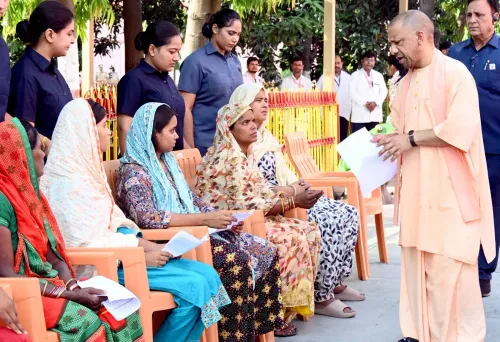
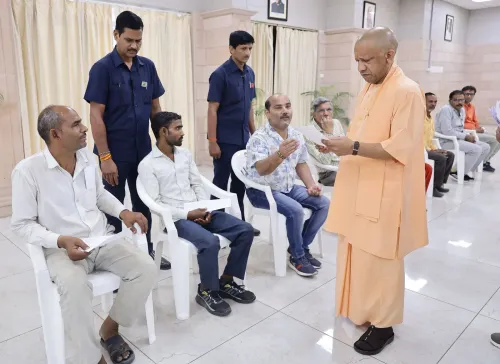
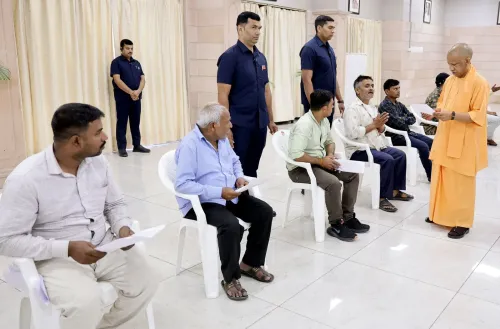
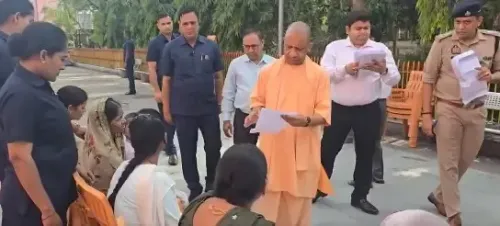
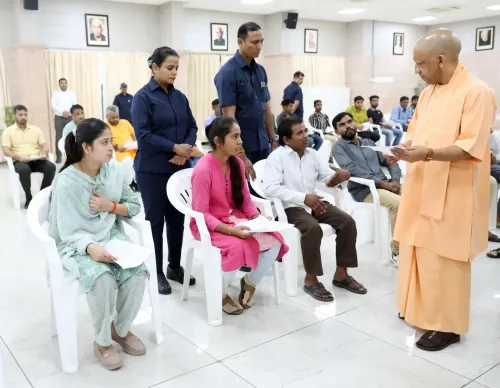
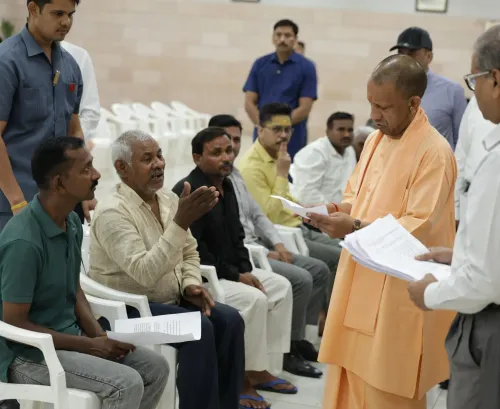
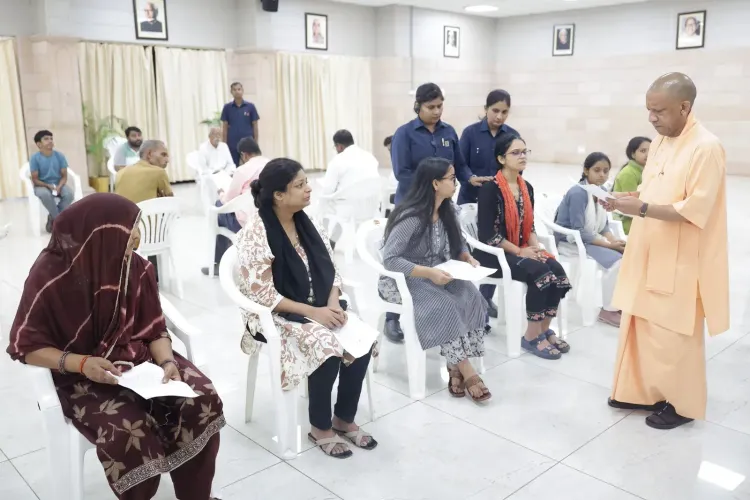
Chief Minister Yogi Adityanath held a Janata Darshan session at his official residence in Lucknow on Monday, June 22, 2026, receiving citizens from across Uttar Pradesh and directing officials to resolve their grievances in a transparent and time-bound manner. The Chief Minister's Office of Uttar Pradesh announced the session, describing it as an expression of the government's commitment to lok-kalyan aur sushasan (public welfare and good governance).
The CMO's post stated that CM Yogi 'listened to the problems of citizens who had come from various districts and gave instructions for their transparent and time-bound resolution.' Citizens from multiple Uttar Pradesh districts were present at the event held at the Chief Minister's government residence.
Context
Janata Darshan is a periodic public grievance-hearing forum instituted by CM Yogi Adityanath shortly after he assumed office in March 2017. The format gives citizens direct access to the Chief Minister, bypassing layers of bureaucracy that often slow down complaint resolution at the district level. It has since become one of the more visible symbols of the administration's public-outreach approach.
The sessions are held at the Chief Minister's official residence in Lucknow and are open to residents from all districts of the state, making them a centralised channel for grievances that have not been addressed locally.
Policy Backdrop
The Yogi Adityanath government has since 2017 pursued what it calls a sushasan (good governance) agenda, combining in-person forums like Janata Darshan with digital channels. The CM Helpline 1076, launched the same year, operates as a parallel mechanism and has been progressively integrated with the physical darshan sessions to create a unified grievance-monitoring system.
Uttar Pradesh, India's most populous state, has historically faced administrative challenges in ensuring timely delivery of services at the district level. The Janata Darshan format is positioned as a direct accountability mechanism, with the Chief Minister personally issuing directives that carry executive weight down the administrative chain.
Stakeholders and Impact
The primary beneficiaries are ordinary citizens — particularly those from smaller districts — who travel to Lucknow seeking resolution on issues ranging from land disputes and police complaints to welfare scheme access. District administrations are the operational recipients of the directives issued during these sessions, and compliance with time-bound orders is monitored by the Chief Minister's Office.
Comparable public-hearing formats exist in several other Indian states, but the Uttar Pradesh model is distinguished by the Chief Minister's direct and regular participation, which the administration argues enhances accountability and speeds up resolution at the ground level.
What's Next
The Chief Minister's Office is expected to continue scheduling Janata Darshan sessions on a periodic basis through the year. Observers will watch for any updates on grievance disposal rates or follow-up reports from the CMO portal that track the outcomes of directives issued at sessions like the one held on June 22. The regularity and scale of these sessions will remain a key indicator of how actively the administration pursues its stated sushasan commitments ahead of future electoral cycles.
Point of View
Visible public access as a counterweight to bureaucratic inertia in India's largest state. By personally issuing directives at these sessions, the Chief Minister keeps administrative accountability anchored at the top, which can accelerate resolution but also concentrates oversight in a single office. The programme sits within a broader national trend of state governments adopting hybrid grievance models that pair physical outreach with digital tracking. Its political value lies equally in optics and outcomes: the regularity of these sessions signals responsiveness, while the quality of follow-through determines whether the sushasan brand translates into measurable administrative improvement.
NationPress
22 Jun 2026
Frequently Asked Questions
What is Janata Darshan in Uttar Pradesh?
Janata Darshan is a periodic public grievance-hearing session organised by Chief Minister Yogi Adityanath at his official residence in Lucknow, where citizens from across Uttar Pradesh can present their complaints directly to the Chief Minister and receive directives for resolution.
When did CM Yogi hold the latest Janata Darshan?
CM Yogi Adityanath held a Janata Darshan session on Monday, June 22, 2026, at his government residence in Lucknow.
What happens at a Janata Darshan session?
Citizens from various districts of Uttar Pradesh attend the session, present their grievances to the Chief Minister, and CM Yogi issues instructions to concerned officials for transparent and time-bound resolution of each complaint.
When was Janata Darshan started in Uttar Pradesh?
The Janata Darshan programme was instituted by CM Yogi Adityanath shortly after he took office in March 2017 as part of the government's sushasan (good governance) agenda.
What is CM Helpline 1076 in Uttar Pradesh?
CM Helpline 1076 is a digital grievance channel launched by the Uttar Pradesh government in 2017 that allows citizens to register complaints by phone; it operates alongside the physical Janata Darshan sessions as part of a unified grievance-redressal system.