CM Yogi honours Vimukt Jatis as freedom fighters, pledges support
Synopsis
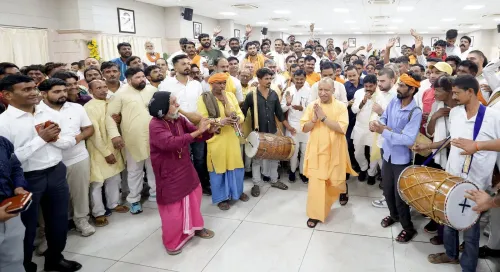
Uttar Pradesh CM Yogi Adityanath honoured Vimukt Jatis — communities once criminalised under British colonial law — as warriors of India's freedom struggle, pledging the 'double engine' government's commitment to their dignity and welfare.
Key Takeaways
CM Yogi Adityanath on 6 August 2026 publicly called Vimukt Jatis warriors of India's independence struggle.
Vimukt Jatis are communities formerly branded hereditary criminals under the British-era Criminal Tribes Act of 1871 , repealed after independence.
The Renke Commission (2008) had recommended targeted educational, economic and social measures for these communities, with implementation remaining uneven.
CM Yogi invoked the 'double engine' government framing, signalling coordinated central-state action on their welfare.
No specific new scheme or allocation was announced; the statement sets a political commitment ahead of future assembly and budget sessions.
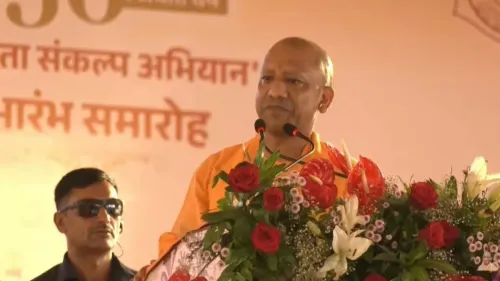
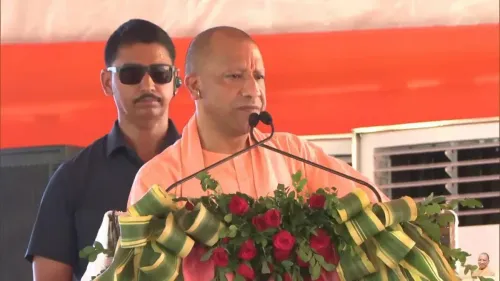
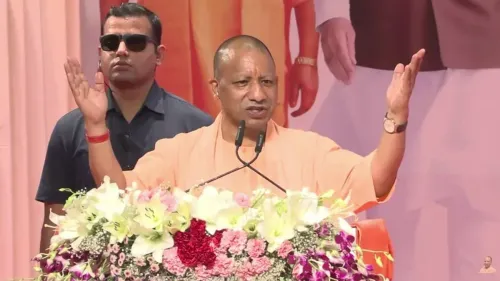
They were once branded criminals by colonial law. Today, Uttar Pradesh Chief Minister Yogi Adityanath is calling them freedom fighters — and promising the state will treat them as such.
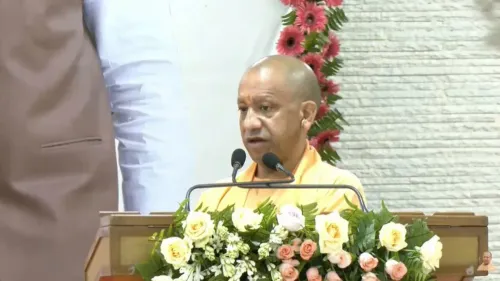
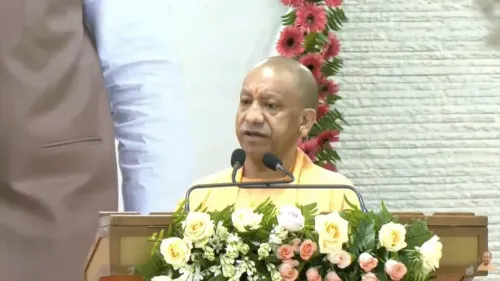
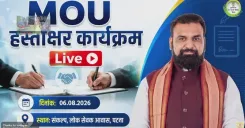
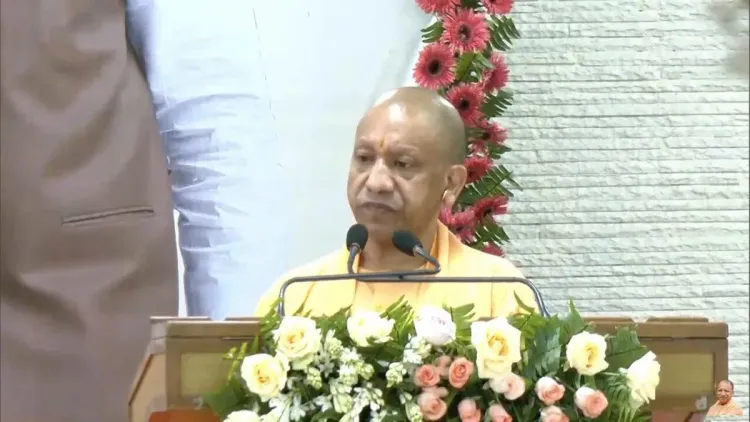
In a post on X on 6 August 2026, CM Yogi declared: 'Vimukt jatiyan Bharat ke swadhinta sangram ki senani hain' — 'Denotified tribes are warriors of India's freedom struggle' — and affirmed that the 'double engine' government is committed to honouring them.
From the Criminal Tribes Act to freedom fighters
The communities now known as Vimukt Jatis — literally 'liberated castes' — carry a history shaped by one of British India's most punishing laws. The Criminal Tribes Act of 1871 branded entire communities as hereditary criminals, subjecting them to surveillance, restricted movement and collective punishment. India repealed the Act after independence, 'denotifying' these groups — but the social stigma and economic exclusion it created did not simply dissolve.
The Renke Commission, constituted as the National Commission for Denotified, Nomadic and Semi-Nomadic Tribes, submitted its landmark report in 2008, documenting the communities' continued marginalisation and recommending targeted educational, economic and social measures. Implementation, however, has remained uneven across states and administrations.
The 'double engine' framing and what it signals
CM Yogi's invocation of the 'double engine' government — the BJP's signature phrase for aligned central and state administrations working in tandem — places this statement squarely within a broader pattern of outreach to denotified, nomadic and semi-nomadic communities that has intensified across BJP-ruled states since 2014. The framing is deliberate: it positions welfare for Vimukt Jatis not as charity, but as coordinated political commitment backed by both Lucknow and New Delhi.
The choice of language — 'senani', meaning warrior or fighter — also carries weight. Framing these communities as active participants in the independence struggle, rather than passive recipients of state welfare, is a rhetorical elevation that echoes similar recognition drives for other historically marginalised groups.
What Uttar Pradesh's Vimukt Jatis stand to gain
Uttar Pradesh is home to a significant population of denotified and nomadic communities. Any follow-through on CM Yogi's pledge — whether through dedicated schemes, memorials, educational reservations or budget allocations — would affect a constituency that has long sat at the margins of both political attention and social mobility. The statement stops short of announcing a specific measure, but the public commitment sets a benchmark that civil society groups and opposition parties are likely to hold the government to in upcoming assembly and budget sessions.
For communities that spent over seven decades shedding the label of 'criminal', being named freedom fighters from a chief minister's platform is, at minimum, a shift in the official narrative. Whether it translates into policy is the question that will define this moment's legacy.
Point of View
Making credit-sharing explicit. The real test will come in the UP budget or assembly session, where civil society groups will watch for concrete allocations against this public pledge.
NationPress
6 Aug 2026
Frequently Asked Questions
Who are Vimukt Jatis in India?
Vimukt Jatis, meaning 'liberated castes', are communities that were notified as hereditary criminals under the British-era Criminal Tribes Act of 1871 and denotified after Indian independence. They continue to face social stigma and economic marginalisation.
What did CM Yogi say about Vimukt Jatis?
On 6 August 2026, CM Yogi Adityanath stated that Vimukt Jatis are warriors of India's freedom struggle and that the 'double engine' government — aligned BJP administrations at the centre and in Uttar Pradesh — is committed to honouring them.
What is the Criminal Tribes Act and how does it relate to Vimukt Jatis?
The Criminal Tribes Act of 1871 was a British colonial law that branded certain communities as hereditary criminals, subjecting them to surveillance and restricted movement. India repealed it after independence, 'denotifying' these groups, who are now called Vimukt Jatis.
What did the Renke Commission recommend for denotified tribes?
The National Commission for Denotified, Nomadic and Semi-Nomadic Tribes, known as the Renke Commission, submitted its report in 2008 recommending educational, economic and social measures to address the continued marginalisation of these communities.
What welfare schemes exist for Vimukt Jatis in Uttar Pradesh?
While the Renke Commission laid out recommendations in 2008, specific scheme implementation has varied. CM Yogi's August 2026 statement signals intent but stops short of announcing a new dedicated scheme; concrete measures are expected to be watched for in upcoming UP budget and assembly sessions.