CM Yogi Invokes Ram's Return at Ayodhya Deepotsav 2026
Synopsis
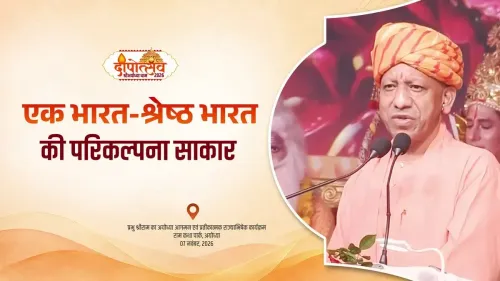
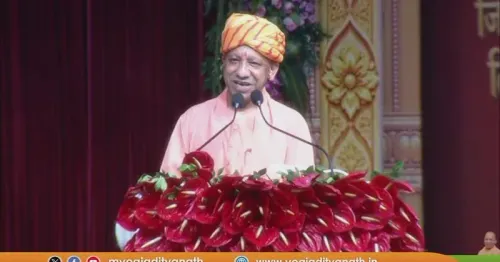
On 7 November 2026, the UP Chief Minister's Office shared a statement by CM Yogi Adityanath at Deepotsav 2026 in Ayodhya, quoting the Ramcharitmanas to frame the festival as a living re-enactment of Lord Ram's return from 14 years of exile.
Key Takeaways
Deepotsav 2026 is the tenth edition of the festival, launched by the Uttar Pradesh government in 2017 .
CM Yogi Adityanath quoted a couplet from the Ramcharitmanas linking today's celebrations to Lord Ram's homecoming after 14 years of exile.
The Ram Mandir , consecrated on 22 January 2024 , has deepened the symbolic and touristic importance of Ayodhya .
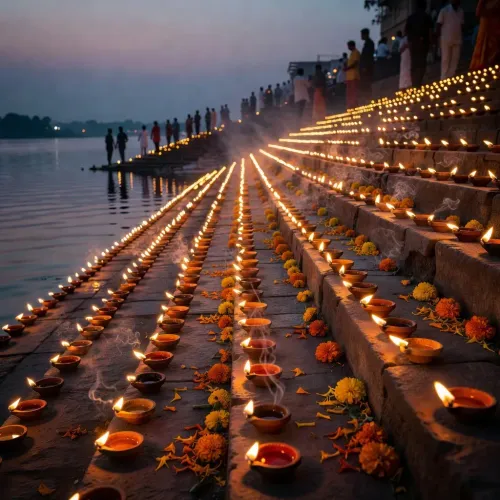
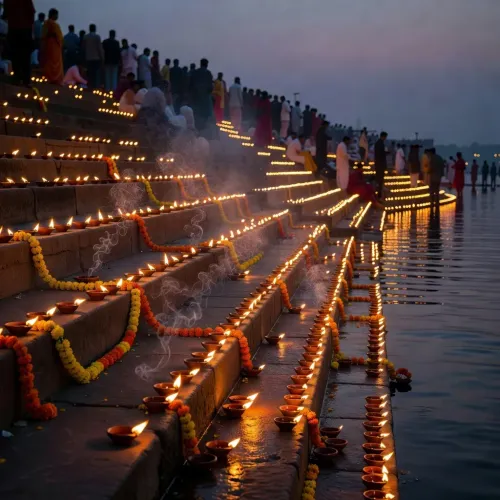
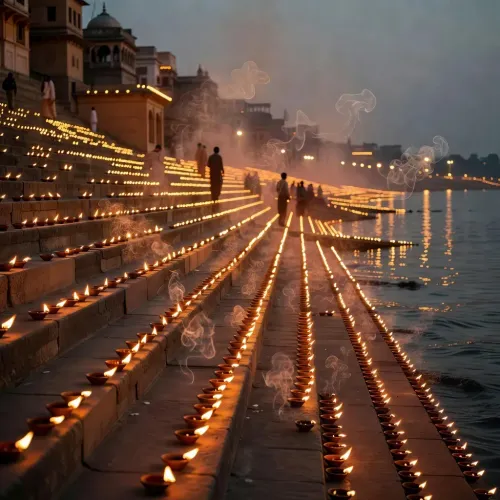
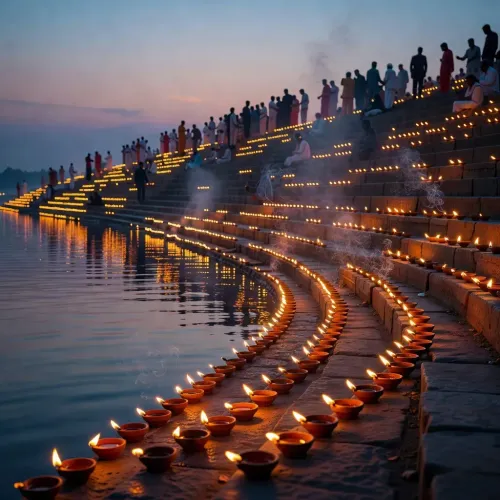
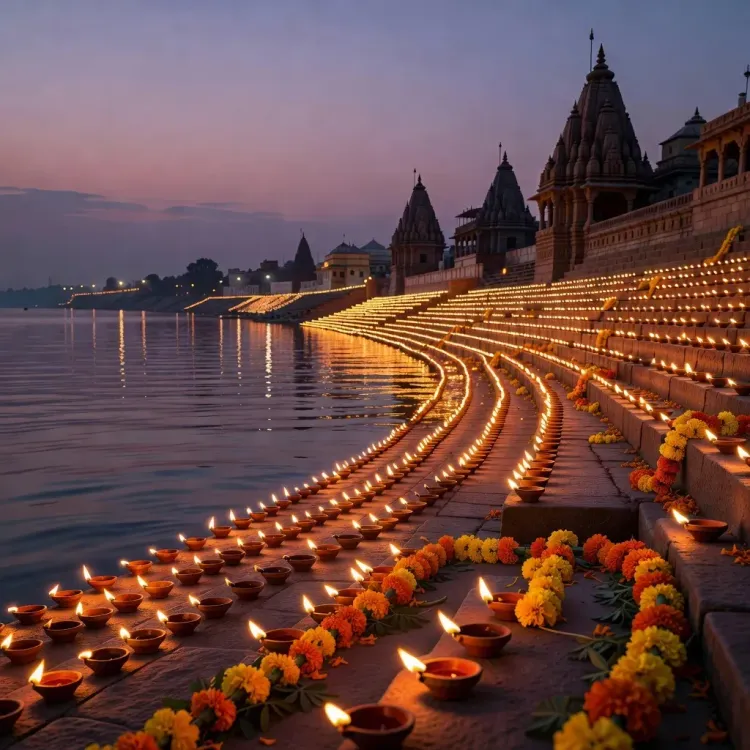
The festival is held on the banks of the Saryu river in Ayodhya and has previously broken Guinness records for simultaneous lamp-lighting.
Ayodhya is the focus of a major UP state infrastructure push including a new airport, redeveloped railway station, and the Ram Path boulevard.
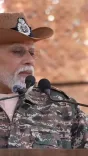
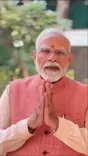
When the lamps of Ayodhya light up tonight, they carry a weight older than any state record — the memory of Lord Ram's homecoming after 14 years of exile. The Chief Minister's Office of Uttar Pradesh shared a reflection by Chief Minister Yogi Adityanath on 7 November 2026, anchoring Deepotsav 2026 in the very verse that describes that original, mythic return to Ayodhya.
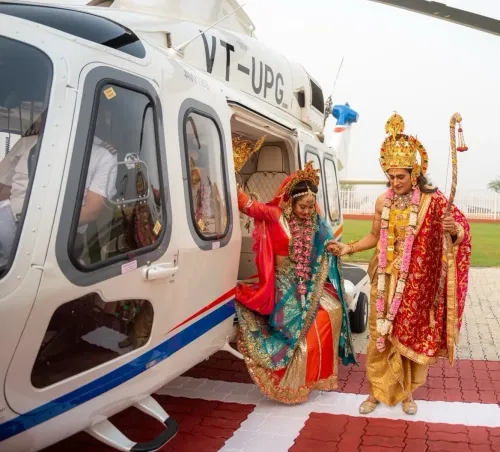
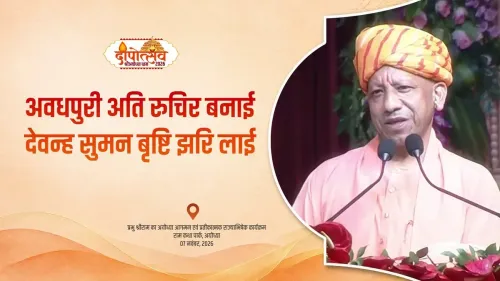
The post quotes a couplet from the Ramcharitmanas — 'Avadhpuri Prabhu aavat jaani, bhai sakal shobha kai khaani' — meaning: 'When the city of Avadh learned that the Lord was returning, it became a treasury of all beauty and splendour.' CM Yogi framed the festival's illumination as a living re-enactment of that divine homecoming, saying today's Ayodhya recalls the 'Tretayugin gaurav aur vaibhav' — the glory and grandeur of the Treta Yuga.
Nine Years of Deepotsav: From Initiative to Institution
The Uttar Pradesh government first launched Deepotsav in Ayodhya in 2017, the same year Yogi Adityanath took office as Chief Minister. What began as a state-organised festival of earthen lamps on the banks of the Saryu river has grown into one of India's most watched annual spectacles — breaking Guinness records for simultaneous lamp-lighting in successive editions. The 2026 edition marks a full decade of this cultural push, reflected in the hashtag #deepostav1dasak (one decade of Deepotsav) used in the post.
The Ram Temple Consecration as a Turning Point
The festival's symbolism deepened after the consecration of the Ram Mandir on 22 January 2024 — a moment that formally transformed Ayodhya from a contested heritage site into an active pilgrimage hub. Since then, the city has been the centrepiece of an aggressive infrastructure expansion: a new international airport, a redeveloped railway station, and the Ram Path boulevard connecting the city's major shrines. Deepotsav now serves as an annual showcase for how far that transformation has come.
Treta Yuga on the Saryu, 2026
Tonight's celebration is not merely a government event — it is a carefully constructed cultural argument. By weaving Tulsidas's verses into a sitting Chief Minister's statement, the UP government positions present-day Ayodhya as a fulfilment of scripture rather than simply a development project. For Hindu pilgrims and residents of Ayodhya, that framing carries enormous emotional resonance. For India's tourism sector, it is a signal that the city intends to hold its place as the country's fastest-rising pilgrimage destination for years to come.
When the diyas burn along the Saryu tonight, they are lit in two time zones at once — the mythic past and the very real present. That is the bet CM Yogi's government has made. So far, the numbers of footfall, investment, and national attention suggest the wager is paying off.
Point of View
CM Yogi Adityanath reinforces a governing philosophy that treats Sanatan heritage as both identity and economic policy. The tenth-edition milestone is a deliberate reminder that this project outlasted its critics and is now entering a consolidation phase. With the Ram Mandir consecrated and infrastructure maturing, Ayodhya's transformation from contested site to premier pilgrimage city looks increasingly irreversible — and Deepotsav is its annual press conference to the nation.
NationPress
8 Nov 2026
Frequently Asked Questions
What is Deepotsav in Ayodhya?
Deepotsav is an annual festival of earthen lamps organised by the Uttar Pradesh government in Ayodhya to commemorate Lord Ram's return from exile. It has been held every year since 2017 and is celebrated on the banks of the Saryu river .
What did CM Yogi say at Deepotsav 2026?
CM Yogi Adityanath quoted a verse from the Ramcharitmanas — 'Avadhpuri Prabhu aavat jaani, bhai sakal shobha kai khaani' — and said today's Ayodhya recalls the glory and grandeur of the Treta Yuga, when Lord Ram returned after 14 years of exile .
When was the Ram Mandir in Ayodhya consecrated?
The Ram Mandir in Ayodhya was consecrated on 22 January 2024 , marking a major milestone in the site's transformation into a prominent pilgrimage hub.
How many times has Deepotsav been held?
Deepotsav 2026 is the tenth edition of the festival, as indicated by the hashtag #deepostav1dasak (one decade). The UP government first organised it in 2017 .
What infrastructure projects are underway in Ayodhya?
Ayodhya is the site of a major Uttar Pradesh state development push that includes a new international airport, a redeveloped railway station, and the Ram Path boulevard connecting the city's major religious sites.