CM Yogi Invokes Vajpayee's 'Nation Above Party' Principle
Synopsis
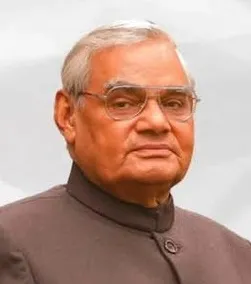
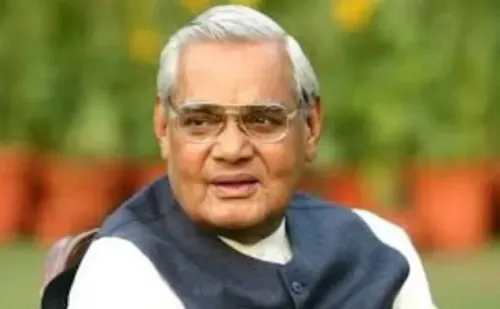
Uttar Pradesh Chief Minister Yogi Adityanath on 27 June 2026 invoked former PM Atal Bihari Vajpayee's guiding principle — 'the nation is greater than the party' — urging workers to act on this resolve. The statement reinforces the BJP's long-standing 'nation-first' ideological lineage rooted in the Vajpayee era.
Key Takeaways
CM Yogi Adityanath posted on 27 June 2026 quoting Atal Bihari Vajpayee's principle: 'the nation is greater than the party.' The principle is attributed to a decision taken under Vajpayee's leadership during his tenure as Prime Minister from 1998 to 2004 .
The post was accompanied by a video on CM Yogi's official X account.
The statement is aimed at BJP workers and the Uttar Pradesh administration, reinforcing a governance culture that prioritises national interest.
Vajpayee's legacy carries cross-partisan appeal, making the reference a rhetorically effective tool for a wide audience.
The post may signal the framing CM Yogi will adopt at upcoming BJP executive meetings or Uttar Pradesh assembly sessions.
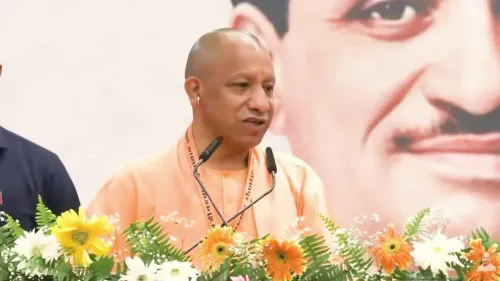
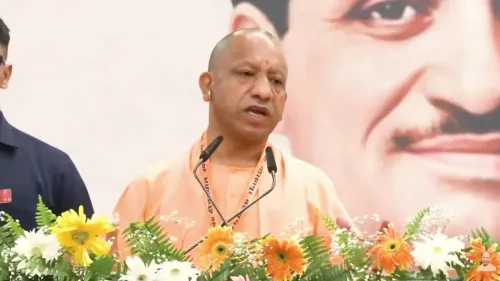
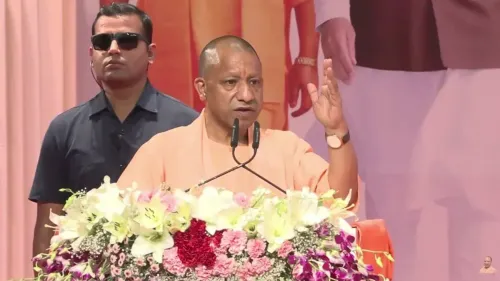
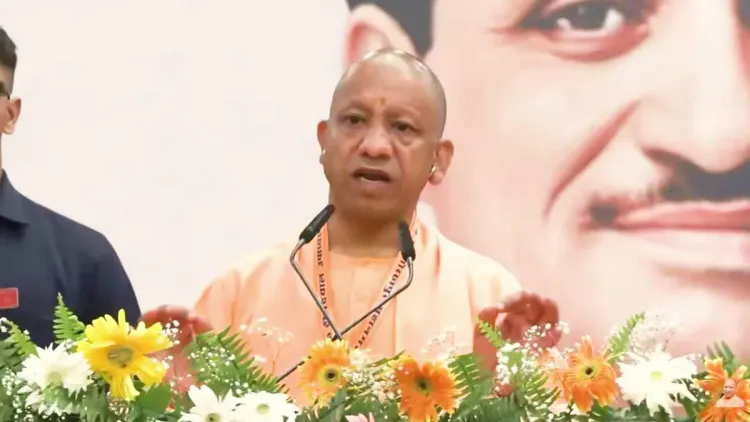
Uttar Pradesh Chief Minister Yogi Adityanath on Saturday, 27 June 2026, invoked the legacy of former Prime Minister Atal Bihari Vajpayee, quoting a guiding principle from Vajpayee's leadership era that places national interest above party considerations. The statement was shared on his official X account, accompanied by a video.
Context
In the post, CM Yogi quoted: 'Dal se bada desh' — 'The nation is greater than the party' — attributing the resolve to act on this principle to the direction set under Vajpayee's leadership. The Hindi post reads, in translation: 'Under the leadership of revered Atal Bihari Vajpayee ji, the decision was made — the nation is greater than the party — and it is for this that we must work.' The brevity of the post lends it the quality of a guiding maxim rather than a policy announcement.
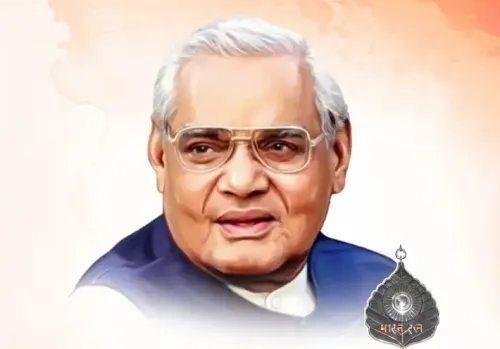
Vajpayee, who served as Prime Minister from 1998 to 2004, is widely remembered within the Bharatiya Janata Party (BJP) as the architect of a coalition-era governance model that repeatedly subordinated party interests to national stability. His legacy is frequently cited by BJP leaders as the ideological bedrock of the party's 'nation-first' identity.
Policy Backdrop
The Vajpayee-led National Democratic Alliance (NDA) government navigated complex coalition arithmetic across two terms, consistently projecting development and national security as priorities that transcended partisan calculations. This governing philosophy has since been adopted as a rhetorical touchstone across BJP-led administrations at both the centre and in states.
CM Yogi has invoked Vajpayee's name and principles on multiple previous occasions to frame decisions in Uttar Pradesh as part of a continuous ideological lineage within the BJP. The pattern reflects a broader effort across BJP-governed states since 2014 to signal continuity with the party's pre-2014 leadership and its associated credibility on governance.
Stakeholders and Impact
The statement is directed primarily at BJP workers and the broader organisational machinery of the party in Uttar Pradesh, reinforcing a culture of placing administrative outcomes above internal party considerations. For the Uttar Pradesh administration, such messaging from the Chief Minister sets a normative tone for how state officials are expected to prioritise public service.
For ordinary citizens, the invocation of Vajpayee carries a cross-partisan resonance — the former Prime Minister is remembered favourably beyond BJP's core voter base, making references to his legacy a relatively low-risk rhetorical choice that appeals to a wide audience.
What's Next
The post may foreshadow the framing CM Yogi adopts at upcoming BJP national executive meetings or in the Uttar Pradesh legislative assembly, where administrative priorities for the state are periodically reviewed and articulated. If the 'nation above party' principle is cited in a concrete policy context in the coming weeks, Saturday's post will be seen as its public precursor.
The invocation of Vajpayee's legacy by one of the BJP's most prominent state leaders also signals that the party continues to draw on its pre-2014 ideological heritage as a source of political legitimacy — a pattern that is likely to intensify as electoral cycles approach in key states.
Point of View
Tying his administration's governance posture to the BJP's most broadly respected leader. By attributing the maxim to a collective decision under Vajpayee — rather than claiming it as his own — Yogi signals institutional continuity rather than personal assertion, a rhetorically disciplined move. The timing, outside any obvious electoral trigger, suggests this is organisational messaging directed at party cadre, reinforcing discipline and a public-service orientation ahead of possible executive or legislative activity. Across BJP-governed states, this pattern of invoking Vajpayee to legitimise present-day governance choices has become a durable feature of the party's political communication architecture.
NationPress
27 Jun 2026
Frequently Asked Questions
What did CM Yogi Adityanath post about Vajpayee on 27 June 2026?
CM Yogi Adityanath quoted Atal Bihari Vajpayee's principle that 'the nation is greater than the party,' saying this was a decision taken under Vajpayee's leadership and that working towards it remains a guiding commitment.
What does 'dal se bada desh' mean?
'Dal se bada desh' is a Hindi phrase meaning 'the nation is greater than the party.' It is associated with former Prime Minister Atal Bihari Vajpayee's governance philosophy of placing national interest above partisan considerations.
Who was Atal Bihari Vajpayee?
Atal Bihari Vajpayee was a senior BJP leader who served as Prime Minister of India from 1998 to 2004, leading the National Democratic Alliance coalition government. He is widely remembered for his statesmanship and cross-party appeal.
Why does CM Yogi often refer to Vajpayee?
CM Yogi Adityanath frequently invokes Vajpayee's legacy to frame governance decisions in Uttar Pradesh as part of the BJP's established 'nation-first' ideological tradition, signalling continuity with the party's pre-2014 leadership.
What is the significance of the 'nation above party' principle for the BJP?
The principle reflects the BJP's long-standing rhetorical and governance commitment to prioritising national development and stability over narrow party interests, a philosophy institutionalised during the Vajpayee-led NDA government of 1998 to 2004.