CM Yogi launches Census-2027 self-enumeration drive in UP
Synopsis
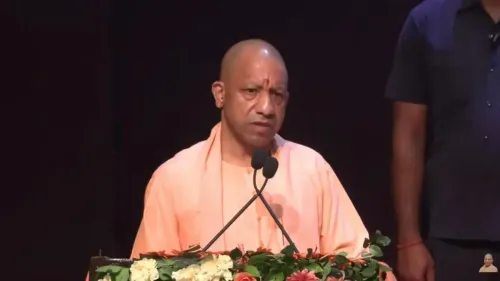
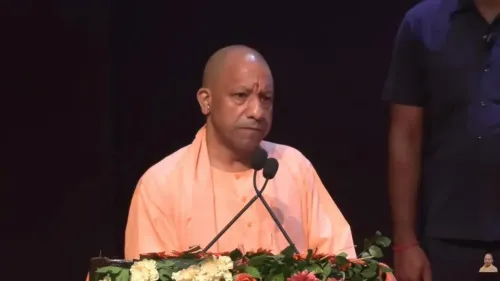
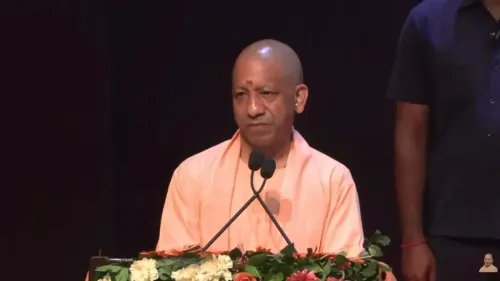
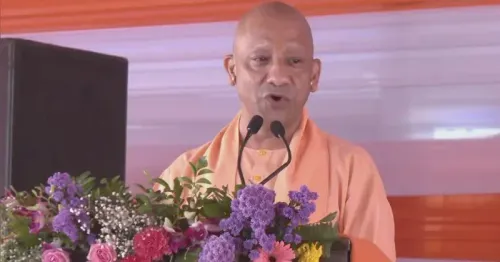
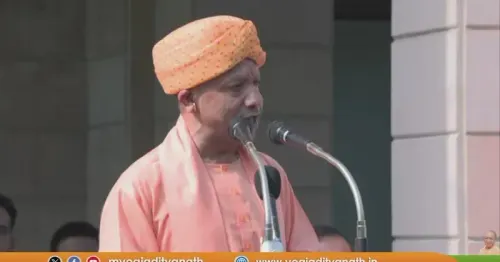
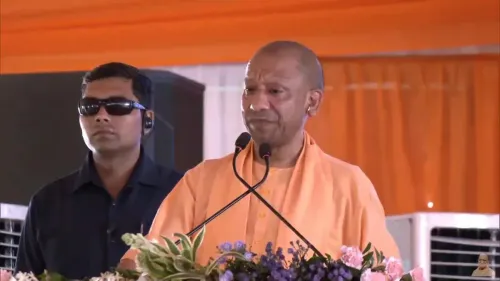
Chief Minister Yogi Adityanath attended a Lucknow event on 16 November 2026 to launch self-enumeration and door-to-door census operations in Uttar Pradesh under the second phase of Census-2027, the country's first decennial count since 2011.
Key Takeaways
CM Yogi Adityanath attended the launch of Census-2027 phase-two operations in Lucknow on 16 November 2026 .
The exercise combines self-enumeration (digital, citizen-filled) with traditional house-to-house visits by enumerators.
India's last completed census was in 2011 ; the 2021 exercise was postponed due to COVID-19 .
Uttar Pradesh is India's most populous state, making its census data critical for national resource allocation and delimitation.
Census data underpins decisions on central fund transfers, parliamentary seat boundaries, and welfare scheme eligibility .
India's most populous state has formally stepped into the next chapter of its data story. Uttar Pradesh Chief Minister Yogi Adityanath attended a launch event in Lucknow on Monday, 16 November 2026, marking the beginning of self-enumeration and door-to-door census operations in the state under the second phase of Census-2027.
A census long in the making finally reaches UP's doorsteps
The significance of this moment is hard to overstate. India's last completed decennial census was in 2011 — meaning the country has gone well over a decade without a full, official headcount. The exercise originally slated for 2021 was postponed as the COVID-19 pandemic upended logistics and planning. What was supposed to be a routine decennial exercise became one of the longest gaps in India's modern census history.
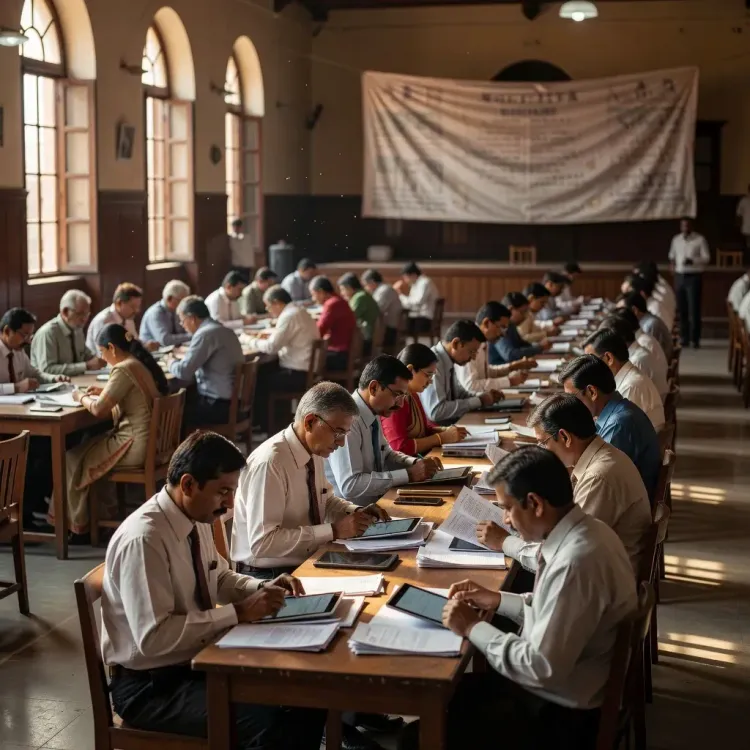
The current drive, now designated Census-2027, is being conducted by the Office of the Registrar General and Census Commissioner under the Ministry of Home Affairs. It incorporates a modernised, two-pronged methodology: citizens can fill in their own data through a self-enumeration portal, while trained enumerators simultaneously conduct traditional house-to-house visits — a hybrid approach designed to improve coverage and accuracy.
Why Uttar Pradesh's numbers define the national picture
Uttar Pradesh, with an estimated population exceeding 240 million, contributes a larger share to the national census count than any other state. How its data is collected, verified, and processed will directly shape resource allocation, parliamentary delimitation, and social-welfare targeting at the national level for the decade ahead. Getting UP right, in short, means getting India's data right.
CM Yogi's personal presence at the Lucknow launch signals the state government's intent to treat this not as a routine administrative exercise but as a governance priority. Census figures feed directly into decisions on central fund transfers, constituency boundaries, and welfare scheme eligibility — stakes that could not be higher for a state of UP's demographic weight.
Self-enumeration: the census comes to your phone
The addition of a self-enumeration window is the most visible modernisation of the process. Residents will be able to log their own household data digitally before enumerators arrive, compressing the time burden on field staff and potentially improving accuracy in urban, educated households. It is a sharp departure from the entirely enumerator-dependent model of previous exercises.
Enumerators will follow up with house-to-house visits to cover gaps — especially in rural, remote, or low-connectivity pockets that dominate much of UP's vast geography. The dual-track design is meant to ensure no household falls through the cracks of the digital divide.
With Uttar Pradesh now formally in motion, the pressure builds on other large states to match the pace — and on the Centre to hold to the timelines that have already slipped once before.
Point of View
Not paperwork — especially important given that the state's data will heavily influence post-delimitation parliamentary arithmetic. The hybrid self-enumeration plus field-visit model reflects a broader push to modernise India's data infrastructure after the 2021 postponement exposed the fragility of a purely manual system. For the BJP, a smooth, timely census in UP — ahead of what will eventually feed into constituency delimitation — has clear political calculus alongside administrative necessity. How quickly other large states follow UP's cue will test whether Census-2027 can finally close the data gap that has quietly distorted a decade of policymaking.
NationPress
16 Nov 2026
Frequently Asked Questions
What is Census-2027 and why is it significant?
Census-2027 is India's first decennial census exercise since 2011, as the 2021 count was postponed due to the COVID-19 pandemic. It will update population, demographic, and housing data used for policy, welfare targeting, resource allocation, and future parliamentary delimitation.
What is self-enumeration in the Census-2027 process?
Self-enumeration allows citizens to fill in their own household data through a digital portal before an enumerator visits. This modernises the traditional house-to-house model and is intended to improve accuracy and reduce the burden on field staff.
What is the second phase of Census-2027?
The second phase covers the actual population enumeration, including both the self-enumeration window for residents and door-to-door visits by trained enumerators. Uttar Pradesh formally launched this phase on 16 November 2026 at an event in Lucknow attended by CM Yogi Adityanath.
Why is Uttar Pradesh's census data so important for India?
Uttar Pradesh is India's most populous state. Its census data directly shapes national resource allocation, central fund transfers, welfare scheme eligibility criteria, and eventually the redrawing of parliamentary constituency boundaries under delimitation.
When was the last census conducted in India?
The last completed Census of India was in 2011. The subsequent exercise, originally planned for 2021, was indefinitely postponed due to the COVID-19 pandemic, leaving India without updated official population data for over a decade.