CM Yogi Launches Phase 2 of UP Tablet Drive for Students

Synopsis
Chief Minister Yogi Adityanath launched the second phase of tablet distribution under the Swami Vivekananda Youth Empowerment Scheme in Uttar Pradesh on 15 November 2026, extending digital tools to students as part of the state's digital-literacy drive.
Key Takeaways
Phase 2 of tablet distribution under the Swami Vivekananda Youth Empowerment Scheme was formally launched on 15 November 2026 .
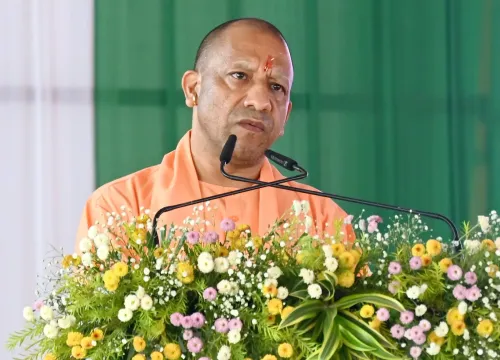
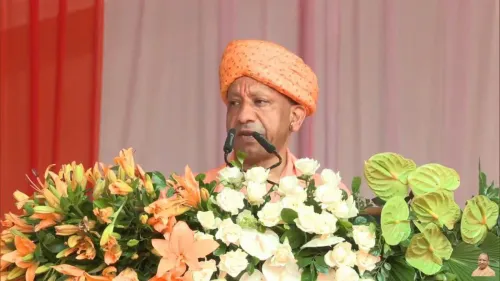
CM Yogi Adityanath addressed student beneficiaries in person at the distribution event.
The scheme is a Uttar Pradesh government initiative aimed at boosting digital access and literacy among students.
The programme is named after Swami Vivekananda , invoking his philosophy of youth empowerment.
Exact beneficiary counts and district-level rollout figures for Phase 2 are yet to be officially disclosed.
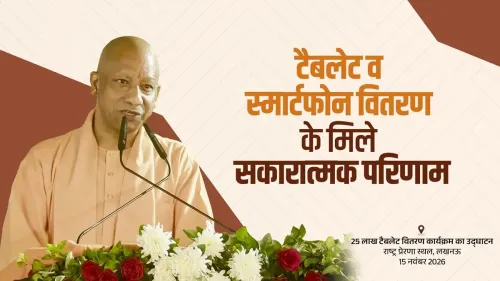
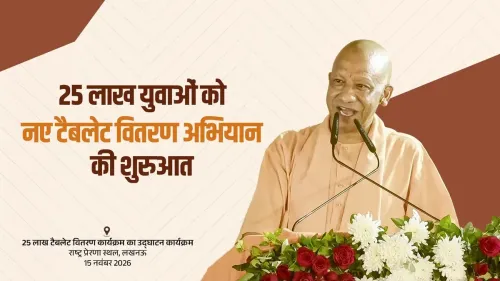
Uttar Pradesh's push to put technology in the hands of its youngest citizens moved into a new gear on Sunday, 15 November 2026, as Chief Minister Yogi Adityanath addressed students gathering for the second phase of tablet distribution under the Swami Vivekananda Youth Empowerment Scheme — a programme designed to bridge the digital divide in one of India's most populous states.
The Chief Minister's Office of Uttar Pradesh shared the address on X, quoting CM Yogi Adityanath: 'आज हम सब युवा शक्ति के प्रतीक अपने छात्र-छात्राओं को टैबलेट वितरण के द्वितीय चरण के अभियान से जोड़ रहे हैं' — 'Today, we connect our students — symbols of the power of youth — to the second phase of the tablet distribution campaign.'
What the Swami Vivekananda Youth Empowerment Scheme promises
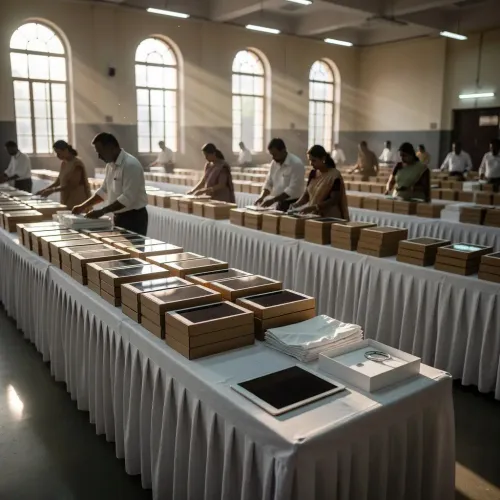
Named after the philosopher-monk who made youth awakening a national cause, the Swami Vivekananda Youth Empowerment Scheme is a Uttar Pradesh government initiative channelling digital tools — primarily tablets — to students in government institutions. The programme sits squarely within a broader state-level effort to marry education access with digital literacy, an agenda that has grown more urgent as online learning becomes inseparable from academic progress.
Uttar Pradesh, with tens of millions of school and college students spread across 75 districts, faces a significant infrastructure challenge in rolling out such a scheme uniformly. The second phase signals that the first phase of distribution has concluded and the government is deepening its reach — though exact beneficiary numbers and district-wise coverage for this round remain to be confirmed in official disclosures.
Why the second phase matters for UP's digital-literacy push
Handing a student a tablet is a relatively visible, tangible policy act — and that visibility is part of the point. For CM Yogi Adityanath, who has governed Uttar Pradesh since 2017, connecting youth to technology reinforces a governance narrative centred on empowerment and modernisation. The scheme draws on the symbolism of Swami Vivekananda deliberately — a figure whose advocacy for educated, self-reliant youth carries cross-partisan legitimacy.
The road from a device in hand to measurable learning outcomes, however, is never automatic. Connectivity, teacher training, and curriculum integration will determine whether these tablets translate into genuine educational uplift or remain well-intentioned hardware.
Point of View
Not just sustaining, its digital-education push — a policy arc that fits neatly into the broader BJP-governed state narrative of tech-enabled governance. Naming the scheme after Swami Vivekananda gives it ideological grounding that transcends routine welfare optics. The real test, however, will be whether Phase 2 expands geographic and demographic reach beyond Phase 1's footprint, and whether independent audits confirm devices are reaching first-generation learners in underserved districts. As state elections cycle closer, such visible youth-centric deliverables carry obvious political salience alongside their developmental merit.
NationPress
15 Nov 2026
Frequently Asked Questions
What is the Swami Vivekananda Youth Empowerment Scheme in Uttar Pradesh?
The Swami Vivekananda Youth Empowerment Scheme is a Uttar Pradesh government initiative that distributes digital devices, primarily tablets, to students in government institutions to promote digital literacy and education access.
What is Phase 2 of the UP tablet distribution scheme?
Phase 2 is the second round of tablet distribution under the Swami Vivekananda Youth Empowerment Scheme, launched by CM Yogi Adityanath on 15 November 2026, expanding the programme's reach after the first phase concluded.
Who launched the tablet distribution drive in UP in November 2026?
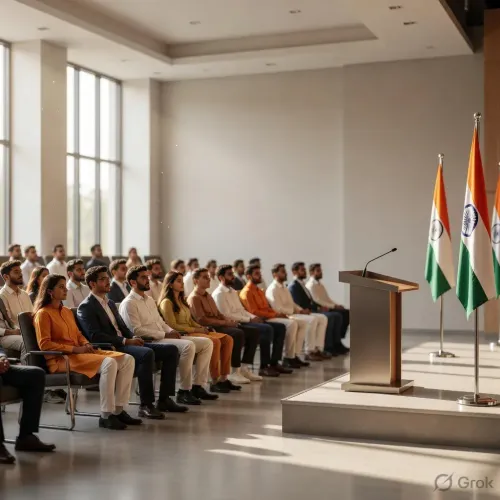
Chief Minister Yogi Adityanath launched the second phase of the tablet distribution drive on 15 November 2026, addressing student beneficiaries at the event.
How many students will get tablets under the UP scheme?
Official beneficiary figures for Phase 2 have not yet been disclosed by the Uttar Pradesh government. The first phase covered students across government institutions, with Phase 2 aimed at deepening that reach.
Why is the UP scheme named after Swami Vivekananda?
The scheme is named after Swami Vivekananda to invoke his philosophy of youth empowerment and self-reliance, lending the programme cultural and ideological resonance beyond its technological objectives.