CM Yogi launches UP Ghumantu Vikas Board for nomadic communities

Synopsis
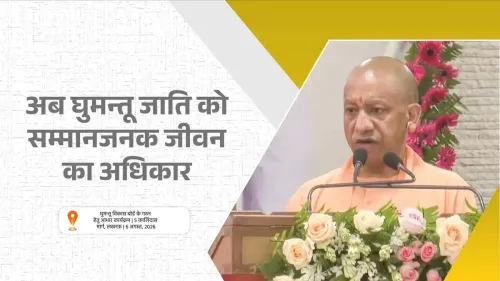
Uttar Pradesh Chief Minister Yogi Adityanath announced the UP Ghumantu Vikas Board on 6 August 2026, creating a dedicated institution for the socio-economic upliftment of the state's nomadic communities under PM Modi's 'Sabka Saath, Sabka Vikas' framework.
Key Takeaways
CM Yogi Adityanath announced the Uttar Pradesh Ghumantu Vikas Board on 6 August 2026 for the upliftment of nomadic communities.
The board is framed as an implementation of PM Narendra Modi's 'Sabka Saath, Sabka Vikas' commitment to non-discriminatory welfare delivery.
Nomadic and semi-nomadic communities in Uttar Pradesh have historically been excluded from land-linked government entitlements and formal welfare schemes.
India has a broader pattern of creating dedicated boards for denotified, nomadic and semi-nomadic communities at both central and state levels.
The board's formal mandate, budget allocation and initial scheme portfolio are yet to be publicly disclosed.
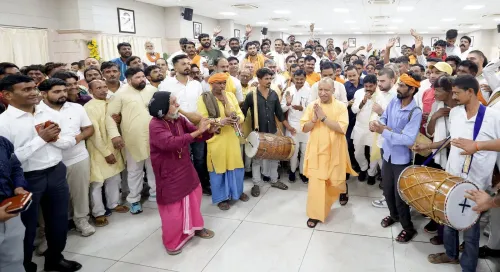
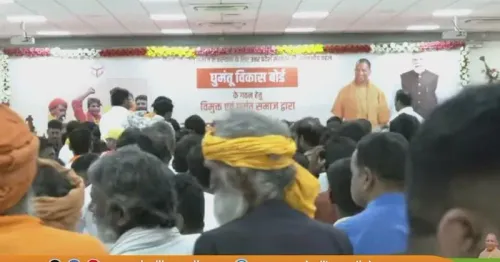
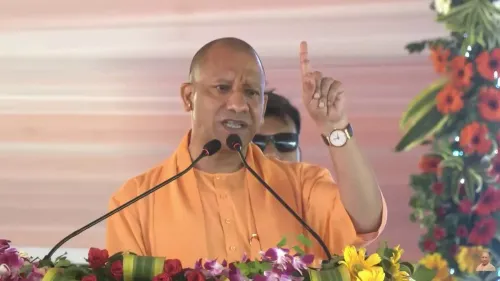
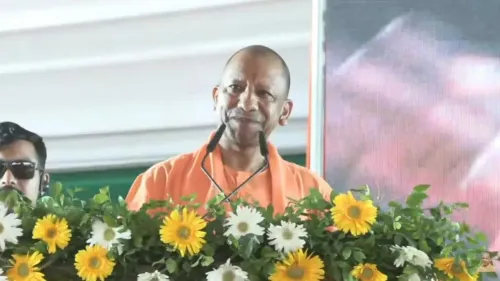
For India's nomadic communities — historically among the most invisible in the welfare ledger — Uttar Pradesh has now created a dedicated institutional home. Chief Minister Yogi Adityanath announced the formation of the Uttar Pradesh Ghumantu Vikas Board on Thursday, 6 August 2026, framing it as the newest chapter in Prime Minister Narendra Modi's 'Sabka Saath, Sabka Vikas' promise of non-discriminatory governance.
Quoting Prime Minister Narendra Modi directly, the Chief Minister's Office posted: 'Shasan ki yojnaon ka labh bina kisi bhedbhav ke samaj ke pratyek varg tak pahunchega' — 'The benefits of government schemes will reach every section of society without any discrimination, and no one will be treated differently on the basis of caste, region or language.' The new board, the post makes clear, is the concrete expression of that pledge for the state's Ghumantu — nomadic — population.
Who the Ghumantu Vikas Board is meant to serve
Nomadic and semi-nomadic communities across Uttar Pradesh have long occupied the margins of formal welfare architecture. Denotified, nomadic and semi-nomadic groups were historically criminalised under British-era legislation and, even after independence, remained largely outside the reach of land-linked entitlements, housing schemes and educational support that most settled communities access as a matter of course.
India's central and state governments have periodically attempted to address this gap through dedicated boards and commissions — but implementation has been uneven. The creation of the UP Ghumantu Vikas Board signals that Uttar Pradesh intends to give these communities a permanent institutional channel rather than ad hoc programme access.
'Sabka Saath, Sabka Vikas' meets state-level execution
The BJP-led central government articulated the 'Sabka Saath, Sabka Vikas' framework after the 2014 general elections as a governing philosophy: welfare delivery calibrated to need, not identity. CM Yogi Adityanath, who has overseen several community-specific upliftment initiatives since taking charge in 2017, is now translating that national slogan into a state-level institution specifically targeting communities that formal schemes have historically overlooked.
The move also fits a broader pattern in Uttar Pradesh — the country's most populous state — where community-specific boards have been used alongside general welfare programmes to ensure targeted outreach. The board's formal mandate, budget allocation and initial scheme portfolio are details that will emerge through state assembly proceedings and budget notifications.
A new board is only as strong as the schemes it carries — and the communities waiting for it have waited long enough.
Point of View
Sabka Vikas' from rhetoric into a concrete delivery mechanism. For the BJP, it also serves an electoral logic: nomadic communities are a diffuse but numerically significant constituency that has historically felt excluded from both mainstream welfare and identity-based reservation politics. Whether the board translates into measurable outcomes will depend on budget allocation and scheme design — neither of which has been disclosed yet. Yogi Adityanath's record of launching community-specific boards in UP suggests intent, but the state's sprawling nomadic population will be watching for specifics.
NationPress
6 Aug 2026
Frequently Asked Questions
What is the Uttar Pradesh Ghumantu Vikas Board?
The UP Ghumantu Vikas Board is a newly announced state institution in Uttar Pradesh dedicated to the socio-economic upliftment of nomadic and semi-nomadic communities, announced by Chief Minister Yogi Adityanath on 6 August 2026.
Who are the Ghumantu communities in Uttar Pradesh?
Ghumantu refers to nomadic and semi-nomadic communities in Uttar Pradesh — groups that have historically lived itinerant lifestyles and have often been excluded from land-linked welfare entitlements available to settled populations.
What is 'Sabka Saath, Sabka Vikas' and how does this board relate to it?
'Sabka Saath, Sabka Vikas' is PM Narendra Modi's governance slogan, articulated after the 2014 elections, promising welfare delivery to all sections without discrimination on caste, region or language. The UP Ghumantu Vikas Board is positioned as a direct implementation of that philosophy at the state level.
What schemes will the UP Ghumantu Vikas Board offer?
The specific schemes, budget and mandate of the board have not yet been publicly detailed. These are expected to emerge through Uttar Pradesh state budget notifications and assembly proceedings.
Has Uttar Pradesh created similar boards for other communities before?
Yes. Uttar Pradesh has previously established community-specific development boards alongside general welfare programmes, following a broader national pattern of creating dedicated institutions for historically marginalised groups including denotified and nomadic tribes.