CM Yogi Marks World Population Day, Urges Balance
Synopsis
On World Population Day, 11 July 2026, Uttar Pradesh Chief Minister Yogi Adityanath called for a public pledge to advance population balance and family welfare, aligning state messaging with India's long-standing demographic policy goals.
Key Takeaways
Uttar Pradesh Chief Minister Yogi Adityanath posted on X on 11 July 2026 to mark World Population Day .
He described population balance as 'the foundation of a prosperous society' and urged citizens to pledge awareness around family welfare.
World Population Day has been observed annually on 11 July since 1989 under UN auspices.
India's National Family Welfare Programme , launched in 1952 , was the world's first nationwide family planning initiative.
The National Population Policy 2000 targets population stabilisation by 2045 through voluntary health measures.
Uttar Pradesh, as one of India's most populous states, is a key focus of national family welfare outreach efforts.
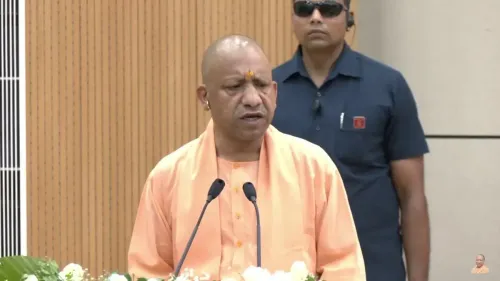
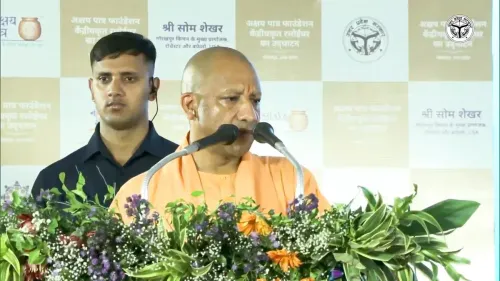
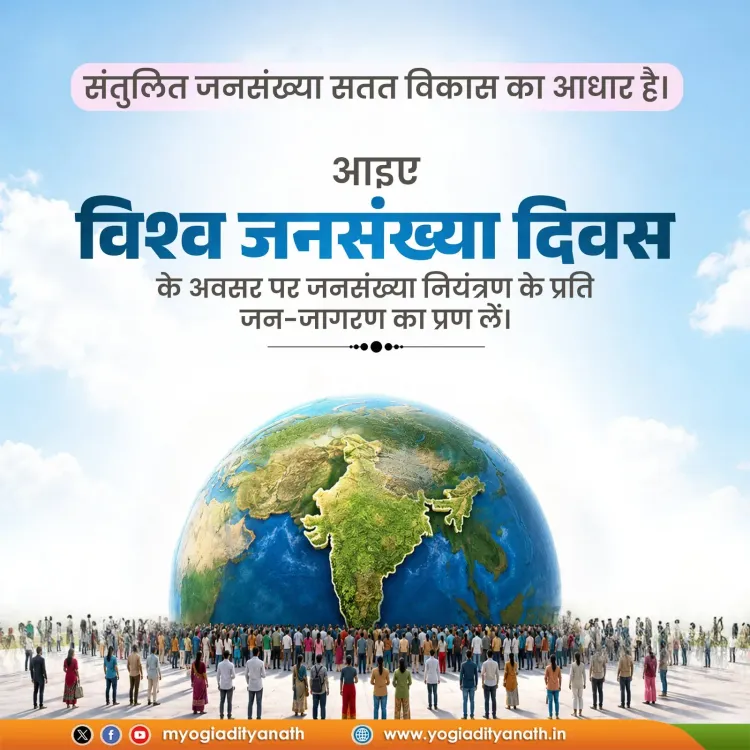
Uttar Pradesh Chief Minister Yogi Adityanath on Friday, 11 July 2026, marked World Population Day by calling for greater public awareness around population balance and family welfare, urging citizens to renew their commitment to these goals on the occasion of the annual global observance.
In his post on X, the Chief Minister wrote: 'जनसंख्या में संतुलन ही समृद्ध समाज का आधार है।' ('Balance in population is the foundation of a prosperous society.') He invited people to pledge, on the occasion of 'World Population Day', to spread awareness about population balance and family welfare.
Context
World Population Day is observed every year on 11 July under the auspices of the United Nations, a tradition established in 1989 to spotlight population issues and promote family planning globally. The day serves as a focal point for governments, health agencies, and civil society to reinforce messaging around reproductive health and sustainable demographic growth.
Uttar Pradesh, as one of India's most populous states, has long been a focal point in national conversations about demographic management and family welfare outreach.
Policy Backdrop
India has a long institutional history in this domain. The National Family Welfare Programme, launched in 1952, was the first nationwide family planning initiative anywhere in the world, centred on expanding access to contraception and stabilising population growth through voluntary measures.
The National Population Policy 2000 built on this foundation, setting long-term targets for fertility reduction and improved reproductive health services, with a stated goal of population stabilisation by 2045. Successive governments at both the central and state levels have consistently emphasised voluntary family welfare over coercive approaches, particularly since the 1990s.
Chief Minister Adityanath's message aligns with this established policy tradition, reinforcing state-level awareness drives that complement the national demographic framework.
Stakeholders and Impact
The primary audience for such messaging includes Uttar Pradesh families, women of reproductive age, and community health workers who implement family welfare programmes at the grassroots level. Awareness campaigns tied to World Population Day typically amplify outreach by government health departments, Accredited Social Health Activists (ASHAs), and local bodies.
Linking population balance to societal prosperity — as the Chief Minister's post does — reflects a broader political and policy consensus that demographic stability is a prerequisite for equitable economic development and sustainable resource use in high-population states.
What's Next
Attention will now turn to whether state health authorities in Uttar Pradesh roll out specific campaigns or policy updates in the wake of this observance. Upcoming rounds of the National Family Health Survey are expected to provide fresh data on fertility trends and family welfare indicators across the state, which will inform the next phase of programme implementation and resource allocation.
Point of View
Situating Uttar Pradesh within the mainstream of India's voluntary family welfare tradition rather than advancing any new coercive agenda. The framing — prosperity contingent on demographic balance — is consistent with the language successive governments have used since the National Population Policy 2000, and it keeps the BJP-led state government aligned with UN-endorsed development discourse. For a state that remains central to national demographic calculations, such messaging reinforces institutional credibility on a globally watched date. The real policy test will come when the next National Family Health Survey data arrives, revealing whether awareness drives have translated into measurable shifts in fertility and reproductive health outcomes.
NationPress
11 Jul 2026
Frequently Asked Questions
Why did Yogi Adityanath post about World Population Day 2026?
CM Yogi Adityanath posted on 11 July 2026 to mark World Population Day, calling on citizens to pledge greater awareness around population balance and family welfare, in line with the annual UN observance.
What is World Population Day and when is it observed?
World Population Day is an annual global observance held on 11 July, established by the United Nations in 1989 to highlight population issues and promote family planning and reproductive health.
What is India's National Family Welfare Programme?
India's National Family Welfare Programme, launched in 1952, was the world's first nationwide family planning initiative, focused on expanding contraceptive access and stabilising population growth through voluntary measures.
What does the National Population Policy 2000 say about population stabilisation?
The National Population Policy 2000 set a goal of population stabilisation by 2045, to be achieved through voluntary measures, improved reproductive health services, and targeted fertility reduction strategies.
What is Uttar Pradesh's role in India's population policy?
Uttar Pradesh is one of India's most populous states and a key focus of national family welfare outreach, with state-level awareness drives running alongside central government programmes to meet demographic goals.