CM Yogi pays tribute to Rani Durgavati on martyrdom anniversary
Synopsis
Uttar Pradesh Chief Minister Yogi Adityanath paid tribute to Rani Durgavati on her martyrdom anniversary on 24 June 2026, honouring the 16th-century Gond queen's resistance against Mughal forces as an enduring symbol of courage, self-respect, and Nari Shakti for Indian society.
Key Takeaways
CM Yogi Adityanath posted a tribute to Rani Durgavati on her martyrdom anniversary, 24 June 2026 .
Rani Durgavati was the queen of the Gond kingdom in central India who died in battle against Mughal forces on 24 June 1564 .
CM Yogi described her as a symbol of 'indomitable courage, valour, and Nari Shakti ' (women's power).
He stated her struggle for the motherland and self-respect against the Mughals will inspire Indian society 'for ages to come.' BJP leaders regularly mark martyrdom anniversaries of pre-colonial rulers who resisted Mughal expansion as part of a sustained cultural discourse.
Rani Durgavati Vishwavidyalaya in Jabalpur , Madhya Pradesh, stands as an institutional tribute to her legacy.
Uttar Pradesh Chief Minister Yogi Adityanath on Wednesday, 24 June 2026 paid tribute to Rani Durgavati, the 16th-century Gond queen, on her martyrdom anniversary, honouring her as a symbol of indomitable courage, valour, and women's power.
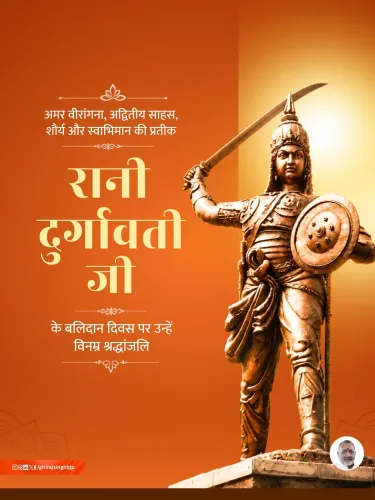
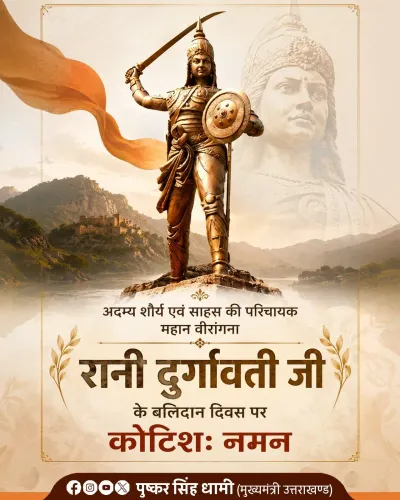
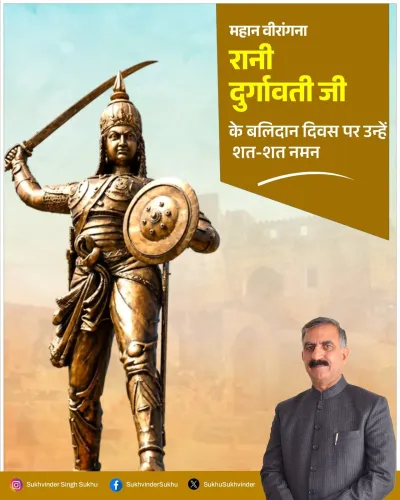
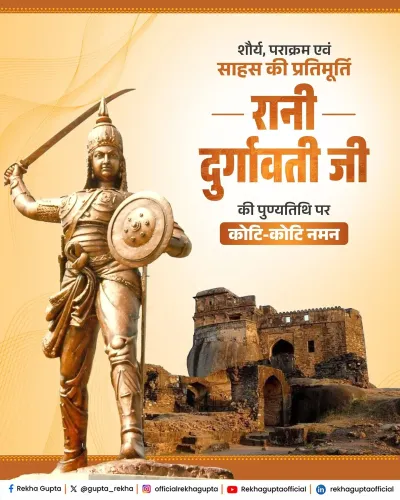
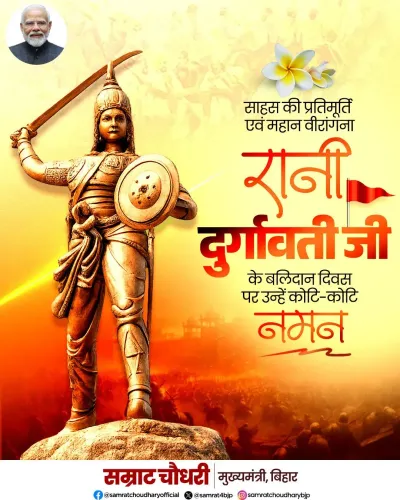
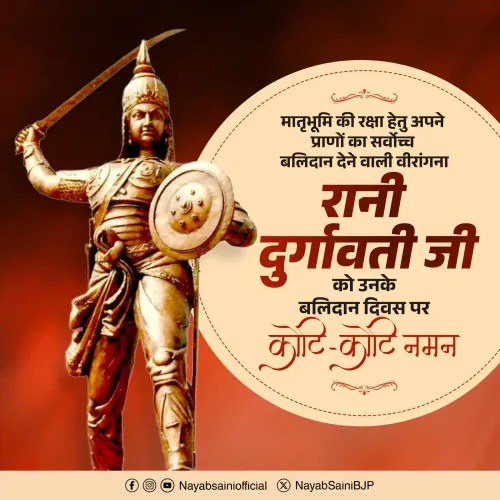
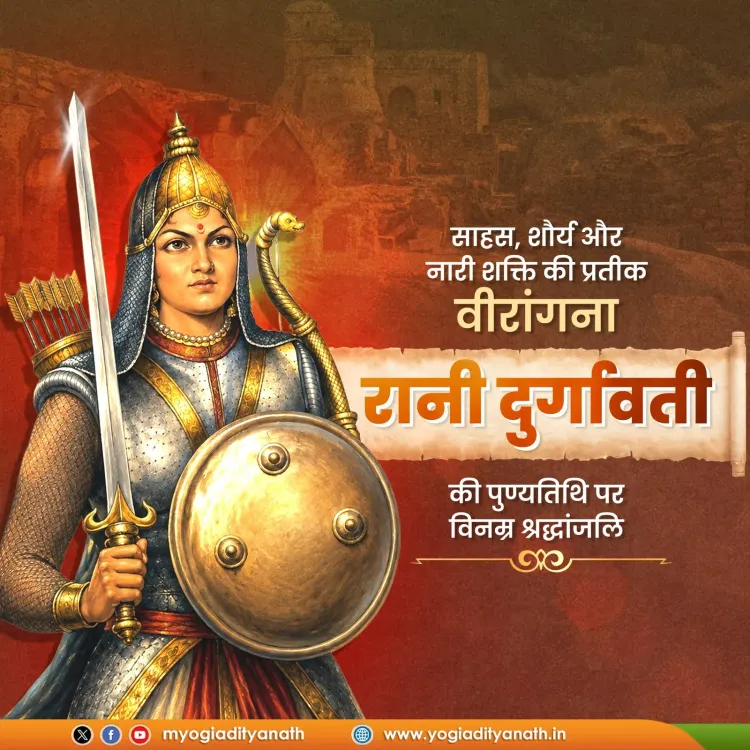
In his post, CM Yogi wrote: 'अदम्य साहस, शौर्य और नारी शक्ति की प्रतीक, वीरांगना रानी दुर्गावती के बलिदान दिवस पर विनम्र श्रद्धांजलि' — 'Humble tribute on the martyrdom day of Virangana Rani Durgavati, a symbol of indomitable courage, valour, and Nari Shakti.' He added that her struggle against the Mughals in defence of the motherland and self-respect will remain a source of inspiration for Indian society for ages to come.
Context
Rani Durgavati was the queen of the Gond kingdom in central India, ruling from Garha-Mandla in present-day Madhya Pradesh. She led her forces against the Mughal army under Emperor Akbar's general Asaf Khan and died in battle on 24 June 1564, choosing death over surrender. She is widely remembered as 'Virangana' — a brave woman warrior — in Indian historical memory.
Her martyrdom anniversary falls on 24 June each year and is observed across central and north India, particularly in states with significant Gond tribal communities such as Madhya Pradesh, Chhattisgarh, and parts of Uttar Pradesh.
Policy Backdrop
BJP leaders, including state chief ministers, have made it a regular practice to post tributes to pre-colonial rulers who resisted Mughal expansion, framing them as icons of indigenous resistance and national self-respect. Figures such as Rani Laxmibai, Maharana Pratap, and Rani Durgavati are consistently highlighted in this cultural discourse.
The emphasis on 'Nari Shakti' — women's power — connects these historical tributes to a broader political and social narrative that seeks to position women warriors from Indian history as role models. CM Yogi Adityanath, who has served as Uttar Pradesh Chief Minister since 2017 and heads the Gorakhnath Math, has been a consistent voice in amplifying such anniversaries on social media.
Stakeholders and Impact
The tribute carries resonance for women, students, and communities that identify with Gond heritage and the broader tradition of regional martial history. Rani Durgavati's legacy is particularly significant for tribal communities in central India who regard her as an ancestral symbol of dignity and resistance.
For students and younger audiences, recurring political tributes to such figures keep their stories visible in public discourse, complementing efforts to incorporate regional histories into educational narratives. Jabalpur in Madhya Pradesh, once part of her kingdom, hosts a university named after her — Rani Durgavati Vishwavidyalaya — reflecting her enduring institutional legacy.
What's Next
State-level cultural programmes, seminars, and school events in Uttar Pradesh and neighbouring states may follow around this anniversary, as has been the pattern in previous years. Any updates to school curricula in Uttar Pradesh that reference Gond kingdom history or women's historical roles would be consistent with the broader cultural emphasis reflected in such tributes.
As martyrdom anniversaries of historical figures continue to anchor BJP's cultural calendar, tributes of this nature are expected to remain a fixture of official political communication, reinforcing the party's emphasis on pre-Mughal and resistance-era heroes as part of India's national identity.
Point of View
Anti-Mughal historical figures as national icons. By invoking 'Nari Shakti' alongside martial resistance, the message simultaneously addresses women's empowerment narratives and civilisational identity politics. This annual rhythm of martyrdom tributes functions as a form of cultural calendar-setting, keeping specific historical frames alive in public consciousness. The consistency of such messaging across BJP-governed states signals a coordinated effort to shape how India's medieval history is publicly remembered and taught.
NationPress
24 Jun 2026
Frequently Asked Questions
Who was Rani Durgavati?
Rani Durgavati was a 16th-century queen of the Gond kingdom in central India who fought against the Mughal army under Emperor Akbar and died in battle on 24 June 1564, choosing death over surrender to Mughal forces.
When is Rani Durgavati's martyrdom anniversary?
Rani Durgavati's martyrdom anniversary falls on 24 June each year, marking the date she died in battle against Mughal forces in 1564.
Why did CM Yogi Adityanath pay tribute to Rani Durgavati?
CM Yogi Adityanath paid tribute to Rani Durgavati on her martyrdom anniversary, 24 June 2026, honouring her as a symbol of courage, valour, and women's power and her resistance against Mughal expansion in defence of her kingdom.
What is the significance of Rani Durgavati for BJP?
BJP leaders regularly mark the martyrdom anniversaries of pre-colonial rulers who resisted Mughal forces, framing them as symbols of indigenous resistance and self-respect, with Rani Durgavati being a prominent figure in this cultural discourse.
Which university is named after Rani Durgavati?
Rani Durgavati Vishwavidyalaya in Jabalpur, Madhya Pradesh, is named after the Gond queen, reflecting her enduring legacy in the region that was once part of her kingdom.