CM Yogi Revisits 2017 'Lawful UP' Pledge on Governance Record
Synopsis
Uttar Pradesh Chief Minister Yogi Adityanath recalled his defining 2017 pledge to transform a 'lawless UP' into a 'lawful UP', using the original words to frame nearly a decade of law-and-order governance as the fulfilment of a founding promise.
Key Takeaways
CM Yogi Adityanath posted on 6 November 2026 invoking his original 2017 'Lawful UP' promise.
The phrase 'Lawless UP nahi, Lawful UP hoga' was first used when he took oath as Chief Minister in March 2017 .
Uttar Pradesh is India's most populous state; law and order reform has been the administration's central governance identity.
The government's approach has included anti-mafia drives and police process reforms over nearly a decade.
The post signals a deliberate effort to measure the present against the founding promise, likely ahead of future political cycles.
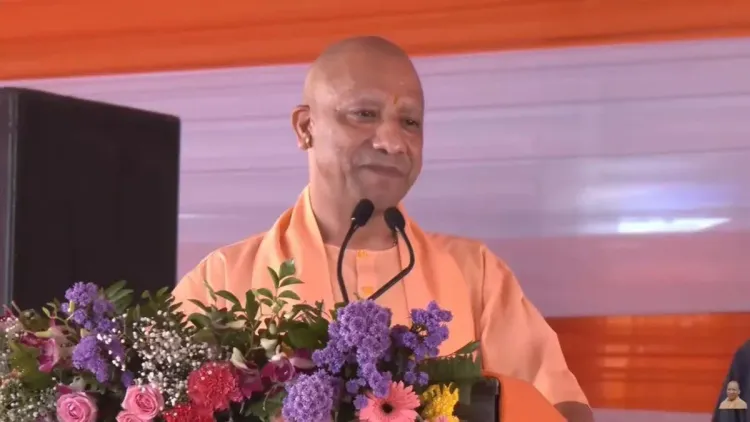
Nearly a decade after making a defining campaign promise, Uttar Pradesh Chief Minister Yogi Adityanath returned to those original words on Friday, 6 November 2026 — invoking the vow that set the tone for everything his government has done since.
Posting on X, the Chief Minister recalled: 'वर्ष 2017 में हमने कहा था कि Lawless UP नहीं, Lawful UP होगा...' ('In 2017 we had said there will not be a lawless UP, there will be a lawful UP...') — a phrase that defined his political identity from the moment he took oath in March 2017.
The 2017 promise that became a governing philosophy
When Yogi Adityanath became Chief Minister, Uttar Pradesh — India's most populous state — carried a reputation for organised crime, mafia networks, and administrative breakdown. The incoming administration framed law and order not as a campaign plank but as a first principle. 'Lawful UP' was less a slogan than a contract with the electorate.
In the years that followed, the government pursued sustained anti-mafia drives, bulldozed properties linked to organised crime, and pushed police process reforms — all publicly framed as the delivery of that original promise. The approach was deliberate and recurring: each milestone circled back to 2017 as its origin point.
Why restating the original words matters now
Invoking the precise language of a nine-year-old pledge is a calculated governance communication choice. It signals continuity — that the administration sees its project as a long arc, not a series of disconnected initiatives. It also invites citizens to measure the present against that opening vow.
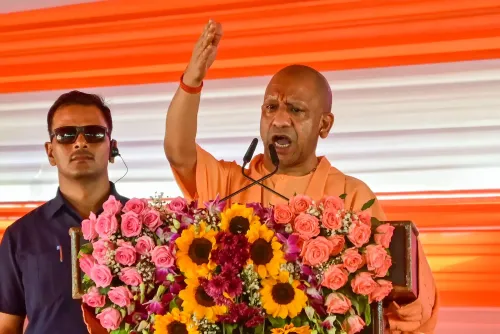
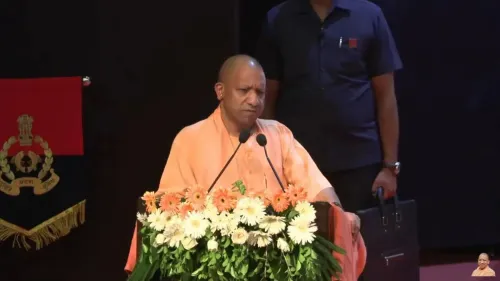
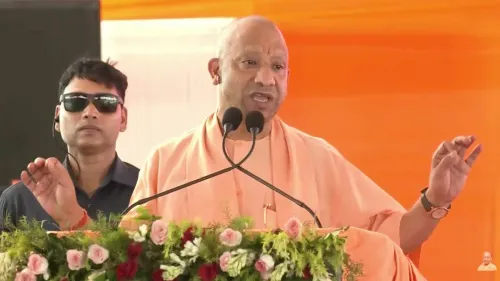
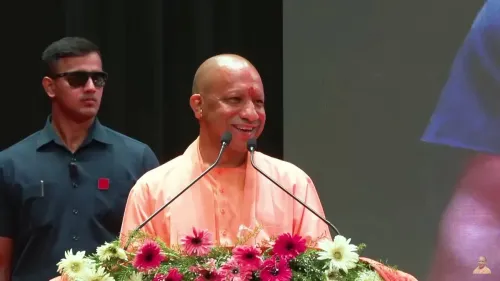
The post, accompanied by a video, appears designed to anchor that measurement. By returning to the exact framing of 2017, CM Yogi is effectively asking the public to consider how far Uttar Pradesh has travelled — and setting up the state's law-and-order record as an asset heading into any future political cycle.
What the numbers actually say about crime trends in the state will be the ultimate arbiter. Watch for state crime statistics or law-and-order references in the next Uttar Pradesh assembly session — that is where the promise meets the ledger.
Point of View
Nearly a decade later, reflects a political communication strategy built around narrative closure — linking a promise made in opposition to a record claimed in power. This kind of 'origin-to-delivery' framing is a classic consolidation move: it asks voters to judge the government on its own declared terms rather than external benchmarks. For BJP in Uttar Pradesh, the law-and-order arc is arguably its strongest governance brand, and reinforcing it now keeps that brand salient between electoral cycles. The real test, however, lies in verifiable crime data — without which the pledge remains rhetoric, however resonant.
NationPress
6 Nov 2026
Frequently Asked Questions
What did Yogi Adityanath mean by 'Lawful UP' in 2017?
When Yogi Adityanath became Chief Minister in March 2017 , he pledged to end the state's reputation for organised crime and administrative breakdown, promising that Uttar Pradesh would shift from being 'lawless' to 'lawful' through police reforms and anti-mafia action.
What actions has the Yogi government taken on law and order in UP?
Since 2017 , the Uttar Pradesh government has conducted sustained anti-mafia drives, carried out demolitions of properties linked to organised crime networks, and implemented police process reforms — all publicly framed as delivery on the original 'Lawful UP' promise.
Why is CM Yogi referencing his 2017 promise in 2026?
CM Yogi is invoking the original pledge to frame nearly a decade of governance as a fulfilled contract with voters, reinforcing the law-and-order brand of his administration and setting up the state's record as a political asset.
When did Yogi Adityanath first become Chief Minister of Uttar Pradesh?
Yogi Adityanath took oath as Chief Minister of Uttar Pradesh in March 2017 after the BJP won a decisive majority in the state assembly elections.
What is the significance of Uttar Pradesh's law and order reforms?
Uttar Pradesh is India's most populous state, and its law-and-order record carries both governance and political weight. Sustained reform here forms the central identity of the Yogi Adityanath administration and is closely watched ahead of future electoral cycles.