CM Yogi Targets SP, Congress Over Ram Temple in Ayodhya
Synopsis
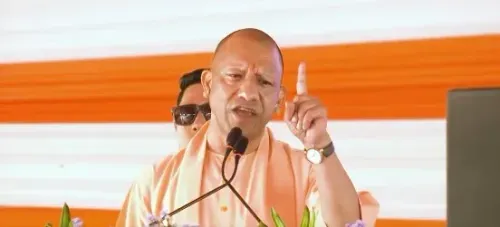
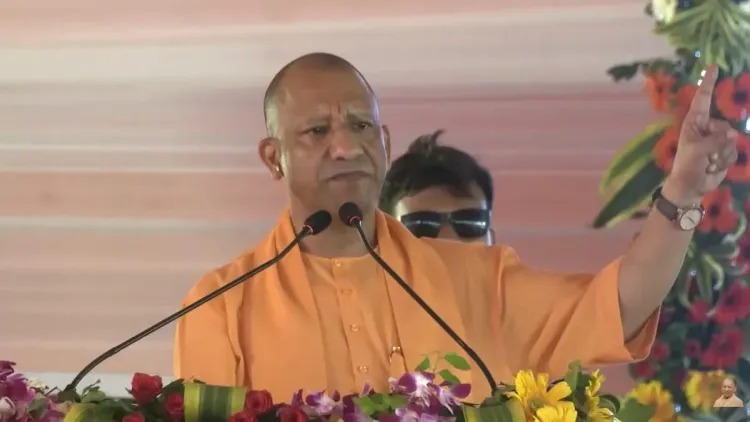
Uttar Pradesh Chief Minister Yogi Adityanath on 7 July 2026 attacked the Samajwadi Party and Congress on X, saying the Ram Temple in Ayodhya now stands where they wanted the Babri structure, calling their political positions more inconsistent than a chameleon.
Key Takeaways
Yogi Adityanath posted on 7 July 2026 targeting SP and Congress over their historical stance on the Ayodhya dispute.
He stated the Ram Temple now stands at the site where the opposition wanted the Babri structure to remain.
The Supreme Court verdict in 2019 paved the way for temple construction; the consecration was held on 22 January 2024 .
The UP government has invested heavily in Ayodhya infrastructure since 2017 , boosting pilgrimage tourism.
The post is widely seen as early electoral messaging ahead of the 2027 Uttar Pradesh assembly elections .
The Samajwadi Party and Congress have yet to formally respond to the remarks.
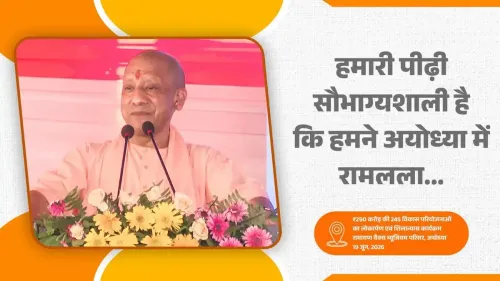
Uttar Pradesh Chief Minister Yogi Adityanath on Tuesday, 7 July 2026, launched a sharp political attack on the Samajwadi Party and the Indian National Congress, invoking the Ram Temple in Ayodhya to accuse both parties of hypocrisy over the decades-long Ram Janmabhoomi dispute. Posting on X, the Chief Minister contrasted the opposition's historical stance with the temple's present reality, framing its construction as a direct rebuke to their politics.
Context
The post, written in Hindi, states: 'Jahan ye Babri ka gulami dhanche dekhna chahte the, aaj wahan duniya ka sabse bada Bhagwan Ram ka mandir khada hai' — ('Where they wanted to see the enslaving structure of Babri, today the world's largest temple of Lord Ram stands there — this is the pain of the Samajwadi Party'). The Chief Minister added that even a chameleon would be ashamed of the colour-changing positions of SP and Congress members.
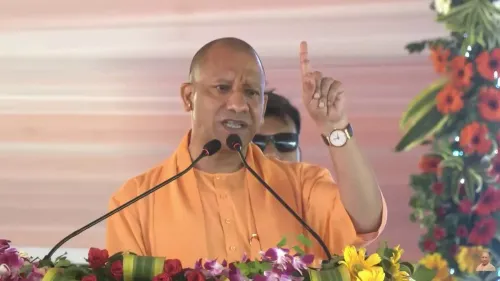
The remarks are directed at opposition leaders whom Yogi Adityanath accuses of opposing the Ram Temple movement and now being unable to reconcile with its completion. The post accompanies a video, the contents of which were not independently detailed in the source material.
Policy Backdrop
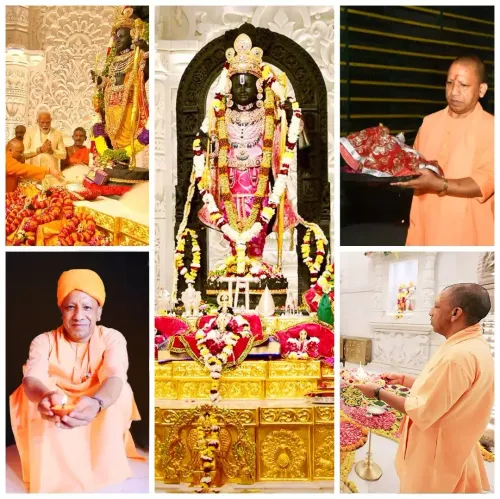
The Supreme Court of India delivered its landmark verdict in 2019, allocating the disputed Ayodhya site to a trust for the construction of the Ram Temple. The pran pratishtha (consecration ceremony) was held on 22 January 2024, attended by Prime Minister Narendra Modi, marking the formal inauguration of the temple complex.
The Babri Masjid, the structure that stood at the site, was demolished on 6 December 1992, triggering years of legal battles and communal tension that became a defining fault line in Indian politics. The Samajwadi Party and Congress historically advocated for a judicial or negotiated resolution and maintained secular platforms on the issue through the 1980s to 2000s.
Since 2017, the Uttar Pradesh government under Yogi Adityanath has undertaken extensive infrastructure upgrades in and around Ayodhya, including road widening, airport development, and tourism corridor projects, positioning the city as a major pilgrimage and heritage destination.
Stakeholders and Impact
For BJP and its Hindu nationalist base, the Ram Temple represents the fulfilment of a decades-old political and religious commitment. The Chief Minister's post reinforces that narrative by casting opposition parties as having stood on the wrong side of history.
The Samajwadi Party, the principal opposition in Uttar Pradesh, has not officially responded to the post as of the time of publication. The party, led by Akhilesh Yadav, has in recent years attempted to recalibrate its position on religious identity politics ahead of the 2027 Uttar Pradesh assembly elections. Congress faces similar pressure nationally to define its stance on cultural heritage issues without alienating its secular coalition.
Hindu devotees and pilgrims, who have visited Ayodhya in large numbers since the temple's inauguration, remain the primary beneficiaries of the state's infrastructure investment and the broader political attention the site commands.
What's Next
With the 2027 Uttar Pradesh assembly elections on the horizon, the Ayodhya temple is expected to remain a central motif in the BJP's electoral messaging in the state. Further announcements on tourism infrastructure, religious corridor development, and cultural events at the site are anticipated from the state government.
The opposition's ability to craft a credible counter-narrative on Ayodhya — one that neither alienates minority voters nor concedes the cultural ground entirely to the BJP — will be a defining strategic challenge heading into the next electoral cycle.
Point of View
Using the completed Ram Temple as a permanent, physical rebuttal to opposition parties' historical stances on Ayodhya. By invoking the 'pain' of the Samajwadi Party, he is signalling to the BJP's core constituency that the cultural battle has been decisively won. The chameleon metaphor is a pointed attempt to deny SP and Congress any political benefit from moderating their positions on religious identity ahead of 2027. This kind of temple-anchored rhetoric has proven durable in UP politics and will likely intensify as the election cycle draws closer.
NationPress
7 Jul 2026
Frequently Asked Questions
What did CM Yogi Adityanath say about the Ram Temple and Babri Masjid?
Yogi Adityanath said that where the opposition wanted the 'enslaving structure of Babri' to remain, the Ram Temple in Ayodhya now stands, calling this the 'pain' of the Samajwadi Party.
When was the Ram Temple in Ayodhya inaugurated?
The Ram Temple's consecration ceremony, known as the pran pratishtha, was held on 22 January 2024, with Prime Minister Narendra Modi in attendance.
Why is Yogi Adityanath criticising the Samajwadi Party over Ayodhya?
He is accusing SP and Congress of having opposed the Ram Temple movement for decades and now being unable to accept its completion, framing their shifting positions as political hypocrisy.
What was the Supreme Court verdict on the Ayodhya dispute?
In 2019, the Supreme Court of India ruled in favour of allocating the disputed Ayodhya site to a trust for the construction of the Ram Temple.
What is the significance of Yogi Adityanath's post ahead of 2027 UP elections?
The post is seen as early electoral messaging that reinforces the BJP's cultural narrative around Ayodhya, a theme that has been central to the party's campaigns in Uttar Pradesh.