CM Yogi: UP has reduced encephalitis deaths to zero
Synopsis
Chief Minister Yogi Adityanath declared on 23 October 2026 that Uttar Pradesh has fully controlled encephalitis, reducing deaths to zero — a sharp reversal from the disease that killed 50,000 children across the state over four decades.
Key Takeaways
CM Yogi Adityanath declared that encephalitis deaths in Uttar Pradesh have reached zero , as announced on 23 October 2026 .
Encephalitis is claimed to have killed 50,000 children in UP over 40 years before being brought under control.
Gorakhpur and eastern UP districts were historically the worst-affected zones for Acute Encephalitis Syndrome.
Japanese Encephalitis vaccination campaigns began in UP's endemic districts from 2005-2006 under the National Vector Borne Disease Control Programme.
Independent verification of the zero-death figure awaits official publication by the UP Health Department and the National Centre for Vector Borne Diseases Control .
CM Yogi, who represents Gorakhpur in Parliament, has made encephalitis control a signature governance priority since taking office in 2017 .
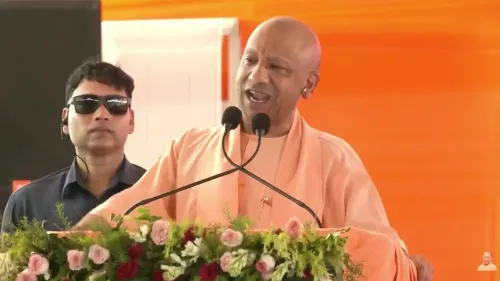
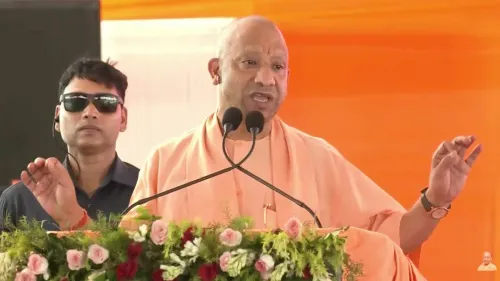
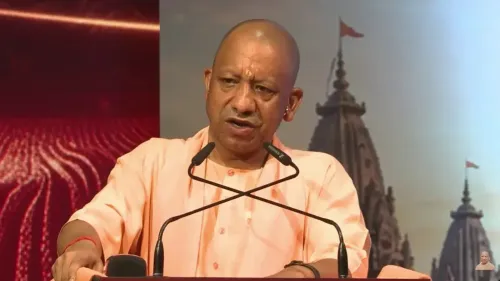
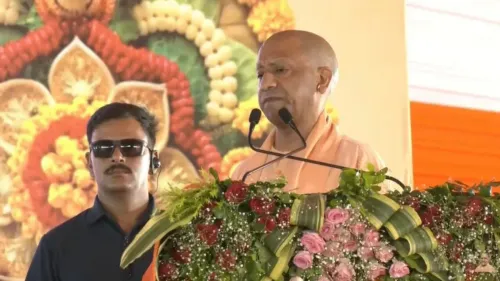
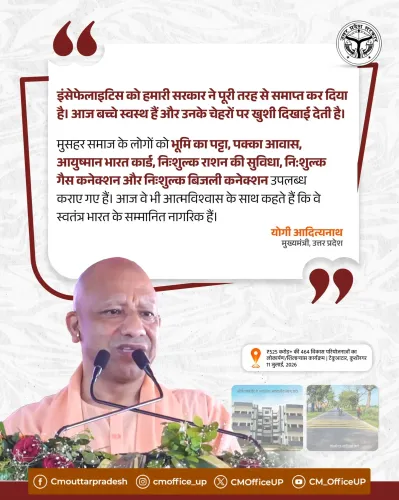
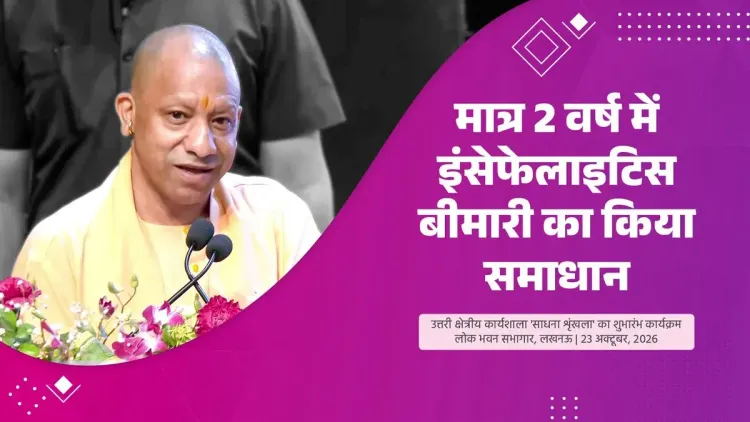
Fifty thousand children dead over four decades — that was the toll of encephalitis across Uttar Pradesh before the state mounted a systematic campaign to defeat it. On Friday, 23 October 2026, the Chief Minister's Office of Uttar Pradesh quoted Chief Minister Yogi Adityanath declaring that the disease has now been fully controlled, with deaths from encephalitis in the state reduced to zero.
The post, shared from the official CMO account, quotes the Chief Minister: 'Jis Encephalitis se 40 varshon mein 50 hazaar bachon ki maut hui, use aaj Uttar Pradesh ne puri tarah niyantrit kar liya hai. Aaj UP mein Encephalitis se hone wali mauton ki sankhya shunya hai.' — 'The encephalitis that killed 50,000 children over 40 years has today been fully controlled by Uttar Pradesh. Today, the number of deaths from encephalitis in UP is zero.'Gorakhpur at the epicentre of a decades-long crisis
For generations, the arrival of the monsoon in eastern Uttar Pradesh meant dread for rural families. Gorakhpur and the surrounding districts became synonymous with Acute Encephalitis Syndrome (AES) — a cluster of neurological illnesses, primarily affecting children under 15, spread through mosquito bites, contaminated water, and poor sanitation. The disease struck hardest among the poorest communities, where access to timely medical care was scarce and awareness even scarcer.
The state's battle against encephalitis has drawn on multiple fronts over the years. Japanese Encephalitis vaccination campaigns began in endemic districts of UP as early as 2005-2006 under the National Vector Borne Disease Control Programme, progressively expanding coverage. Those vaccination drives, combined with vector control measures and improved surveillance, laid the foundation for the declining case counts that official state health data has reported over successive years.
What a 'zero deaths' claim means for India's public health record
The declaration of zero encephalitis deaths is a striking public-health milestone claim — one that, if borne out in independent epidemiological data, would represent a near-complete turnaround for a state that once accounted for a disproportionate share of India's AES burden. Uttar Pradesh is India's most populous state, home to over 240 million people, which makes any systemic disease-control achievement here significant at a national scale.
The Chief Minister's Office has not released accompanying departmental data in the post itself. The Uttar Pradesh Health Department and the National Centre for Vector Borne Diseases Control are the authoritative bodies whose annual epidemiological reports would confirm or contextualise the figure. Independent verification of both the 50,000 deaths over 40 years figure and the current zero-death status remains pending official publication.
What is established is the trajectory: UP has reported progressive, year-on-year reductions in AES cases and fatalities through consistent vaccination drives, awareness campaigns, and vector-control interventions. The political significance of the announcement is clear — CM Yogi Adityanath, who represents Gorakhpur in Parliament, has long made the fight against encephalitis a personal and political priority. The zero-deaths claim, made from his own office, is both a public-health assertion and a statement of governance achievement.
For the children of eastern UP's flood-prone villages, the real measure will be the next monsoon season — and the absence of the tragedy that once came with it.
Point of View
And Gorakhpur's historical burden gives the claim deep political resonance. If confirmed by independent epidemiological data, it would mark one of India's most consequential state-level communicable disease victories, comparable in ambition to polio eradication. The announcement also signals a broader UP government strategy of quantifying health milestones — framing governance in outcome numbers — that will likely intensify ahead of state electoral cycles. Scrutiny now shifts to whether the 'zero deaths' figure reflects a sustained structural improvement or a single-year data point that requires multi-season validation.
NationPress
23 Oct 2026
Frequently Asked Questions
Has Uttar Pradesh really eliminated encephalitis deaths?
Chief Minister Yogi Adityanath's office claimed on 23 October 2026 that encephalitis deaths in UP have reached zero today. Independent verification from the UP Health Department and national disease-control bodies is still awaited to confirm this figure officially.
How many children died of encephalitis in Uttar Pradesh?
According to the Chief Minister's statement, encephalitis killed 50,000 children in Uttar Pradesh over 40 years before the disease was brought under control. This figure has not yet been independently verified from official epidemiological records.
Which districts in UP were most affected by encephalitis?
Eastern Uttar Pradesh districts, especially Gorakhpur and surrounding areas, were historically the worst affected by Acute Encephalitis Syndrome (AES), with cases spiking seasonally during and after the monsoon.
What steps did UP take to control encephalitis?
Uttar Pradesh combined Japanese Encephalitis vaccination campaigns — which began in endemic districts from 2005-2006 under the National Vector Borne Disease Control Programme — with vector control, improved surveillance, and awareness drives to progressively reduce cases and deaths.
What is Acute Encephalitis Syndrome (AES)?
Acute Encephalitis Syndrome (AES) is a cluster of neurological illnesses primarily affecting children, caused by various pathogens including the Japanese Encephalitis virus, spread through mosquito bites and linked to poor sanitation and contaminated water in flood-prone areas.