CM Yogi Calls for Scriptural Wisdom to Fight Environmental Crisis
Synopsis
On World Environment Day 2026, CM Yogi Adityanath urged Indians to consult the country's sacred scriptures to tackle environmental challenges, amplifying the message under the Ek Ped Maa Ke Naam tree-plantation campaign in Uttar Pradesh.
Key Takeaways
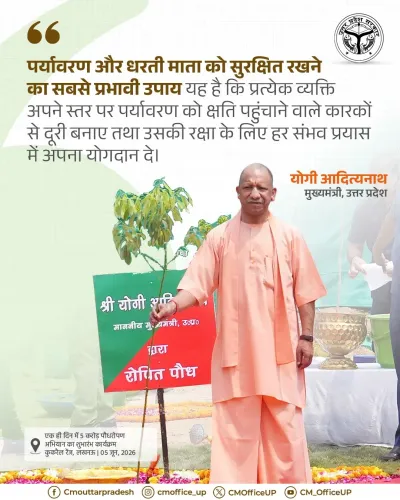
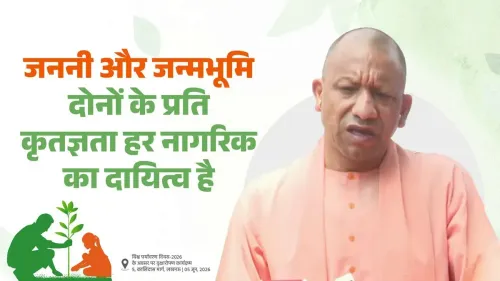
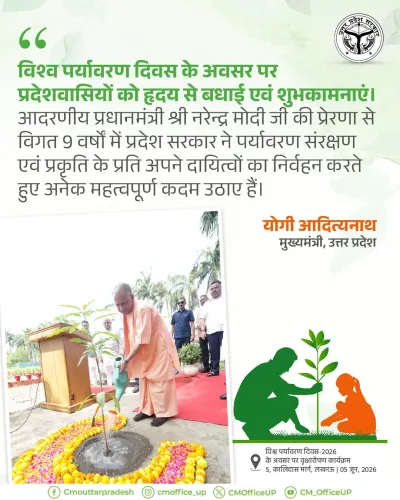
The Chief Minister's Office of Uttar Pradesh posted CM Yogi's statement on World Environment Day, June 5, 2026 .
CM Yogi called for studying all of India's sacred scriptures to address environmental challenges.
The message was shared under the #EkPedMaaKeNaam (One Tree in Mother's Name) campaign, which has been adopted across multiple Indian states.
Uttar Pradesh has run annual monsoon tree-plantation drives with multi-crore sapling targets since at least 2017 .
The statement continues a broader national pattern of framing environmental action through cultural and traditional heritage .
Forest department sapling survival rates and potential curriculum integration of scriptural references are the key metrics to watch going forward.
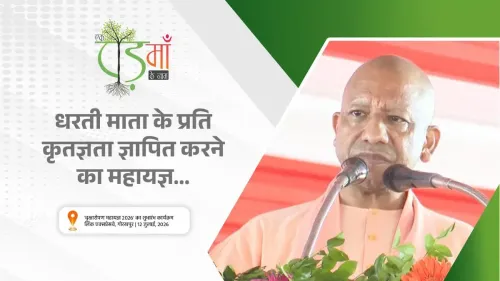
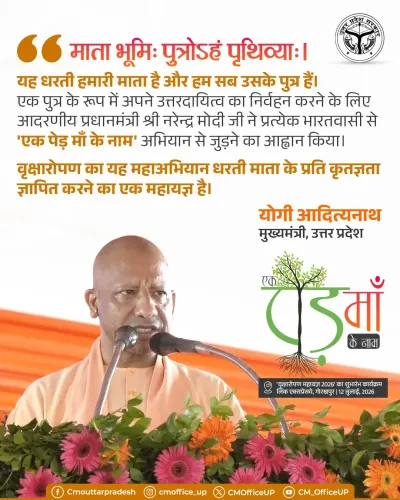
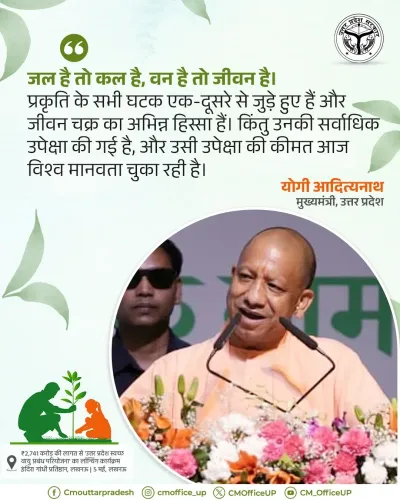
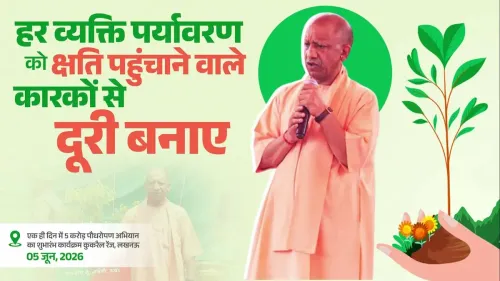
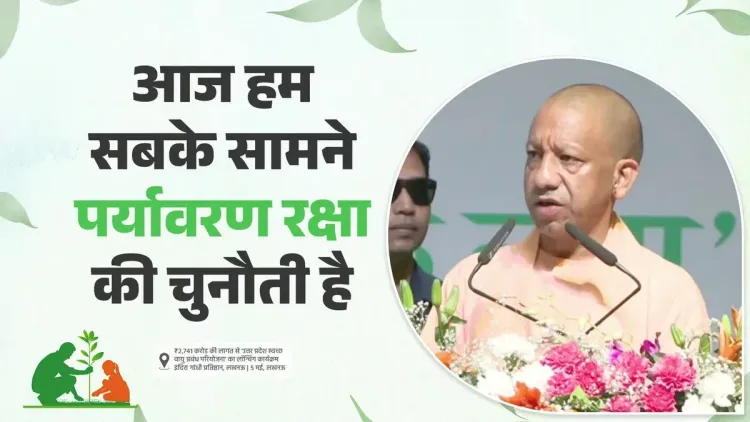
The Chief Minister's Office of Uttar Pradesh on Friday, June 5, 2026 — observed globally as World Environment Day — shared a statement from Chief Minister Yogi Adityanath urging Indians to draw on the country's sacred texts to confront the growing environmental crisis, amplifying the message under the national tree-plantation campaign #EkPedMaaKeNaam.
In the post, CM Yogi stated: 'Humein paryavaraniya chunautiyon ka saamna karne ke liye Bharat ke sabhi pavitra granthon ka avlokan karna chahiye' — 'We must study all of India's sacred scriptures to confront environmental challenges.' The remark positions India's ancient textual heritage as a living resource for modern ecological action.
Context
The statement was made on World Environment Day, the United Nations-designated annual observance held every June 5 to drive global awareness and political momentum on environmental issues. Uttar Pradesh, India's most populous state, has used the occasion in recent years to launch or reinforce large-scale tree-plantation drives. The hashtag #EkPedMaaKeNaam — meaning 'One Tree in Mother's Name' — frames sapling planting as a personal, emotionally resonant act dedicated to one's mother.
The Ek Ped Maa Ke Naam campaign has been adopted across multiple Indian states and encourages citizens to plant and nurture a sapling as a tribute to their mothers, blending civic duty with familial sentiment. Uttar Pradesh has conducted annual monsoon tree-plantation drives since at least 2017, setting multi-crore sapling targets each season.
Policy Backdrop
CM Yogi Adityanath, who has led Uttar Pradesh since 2017, has consistently linked governance themes to Hindu cultural traditions, and his environmental messaging follows that pattern. Invoking sacred texts — which include works such as the Vedas, Upanishads, and Arthashastra, all of which contain passages on the sanctity of nature, forests, and rivers — is part of a broader national trend of grounding environmental policy in cultural heritage.
Across India, state administrations have increasingly framed afforestation and conservation drives through references to traditional practices and classical texts, mirroring the Union government's efforts to combine measurable green targets with public-awareness messaging rooted in civilisational identity. This approach seeks to deepen community ownership of ecological goals beyond regulatory compliance.
Stakeholders and Impact
The primary audience is the 250 million-plus residents of Uttar Pradesh, particularly those engaged with religious and cultural institutions that could amplify the tree-plantation message at the grassroots level. Environmental NGOs and Hindu religious organisations — including temple trusts and ashrams with large land holdings — are natural partners for any scripture-linked green initiative.
For citizens, the call to consult sacred texts represents an attempt to shift environmental responsibility from the state alone to every household and community. If religious institutions respond by integrating ecological themes into their programming, the campaign could reach audiences that conventional government outreach struggles to mobilise.
What's Next
Attention will now turn to the Uttar Pradesh forest department's monsoon plantation targets for 2026 and whether the government formalises scriptural references in environmental education modules or school curricula. Observers will also watch for participation data from the Ek Ped Maa Ke Naam drive — including sapling survival rates, which have been a persistent metric of accountability in past drives. The broader question is whether the cultural framing translates into measurable green cover gains across the state's urban and rural landscapes.
Point of View
The government attempts to convert religious credibility into green compliance, reaching constituencies that respond more readily to dharmic obligation than to policy mandates. This mirrors a Union-level strategy of embedding environmental targets within a civilisational narrative, but the real test remains on the ground: whether sapling survival rates and forest cover data in Uttar Pradesh improve in tandem with the cultural messaging. The approach is politically low-risk and potentially high-reach, but analysts will scrutinise whether it substitutes symbolism for structural investment in forest governance.
NationPress
20 Oct 2026
Frequently Asked Questions
What did CM Yogi Adityanath say on World Environment Day 2026?
CM Yogi Adityanath said that India must study all its sacred scriptures to confront environmental challenges, sharing the message under the Ek Ped Maa Ke Naam tree-plantation campaign on June 5, 2026.
What is the Ek Ped Maa Ke Naam campaign?
Ek Ped Maa Ke Naam, meaning 'One Tree in Mother's Name', is a tree-plantation campaign that urges citizens to dedicate a sapling to their mothers. It has been adopted by multiple Indian states including Uttar Pradesh.
How does Yogi Adityanath link religion and environment?
CM Yogi Adityanath regularly connects governance themes to Hindu cultural traditions. On environment, he has argued that India's sacred texts — including the Vedas and Upanishads — contain guidance on protecting nature, forests, and rivers.
What are Uttar Pradesh's tree plantation targets?
Uttar Pradesh has conducted annual monsoon tree-plantation drives with multi-crore sapling targets since at least 2017. Specific targets for the 2026 monsoon season are yet to be officially announced.
Why do Indian states use cultural references in environmental campaigns?
Indian state governments have increasingly framed environmental action through traditional texts and cultural practices to deepen community ownership and reach audiences that conventional government outreach may not mobilise effectively.