CM Yogi warns UP voters against 'dark night' of caste politics
Synopsis
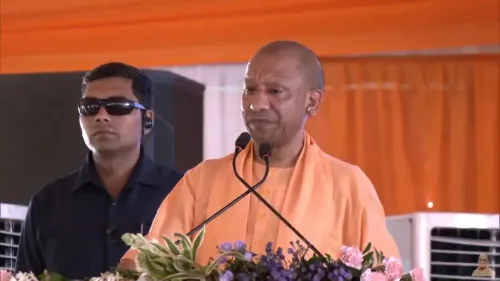
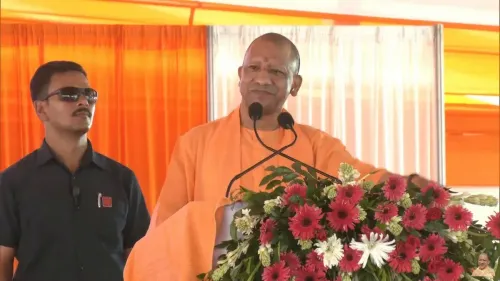
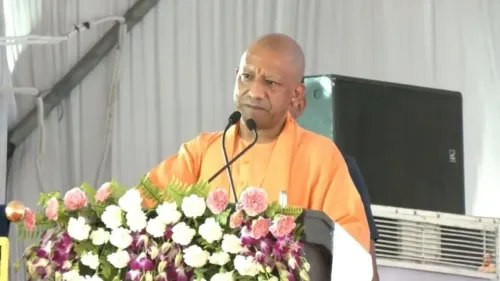
Uttar Pradesh Chief Minister Yogi Adityanath on 26 July 2026 posted a video warning voters against forces he said would divide them by caste and region, branding such actors enemies of society and the nation as the 2027 state election approaches.
Key Takeaways
Yogi Adityanath posted on X on 26 July 2026 warning UP voters of a return to kaalratri — a 'dark night' of identity-based politics.
He accused unnamed forces of planning to divide voters along caste and regional lines, calling them 'enemies of society and the nation.' The post was accompanied by a video and written entirely in Hindi , targeting a broad UP electorate.
The warning echoes BJP campaign messaging deployed since the party's 2017 Uttar Pradesh landslide victory.
The rhetoric is widely seen as pre-positioning ahead of the 2027 Uttar Pradesh assembly elections , where 403 seats will be contested.
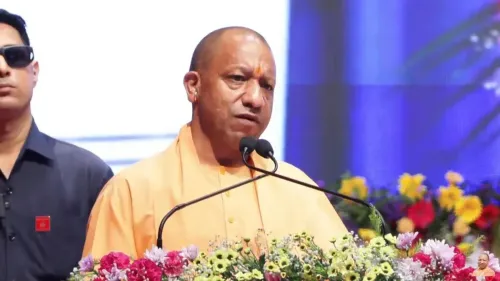
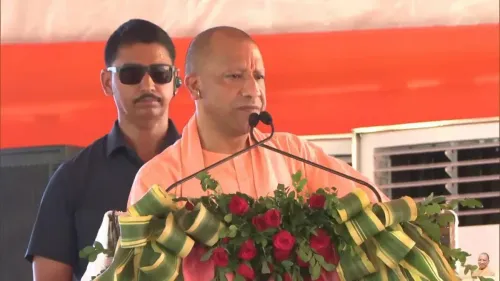
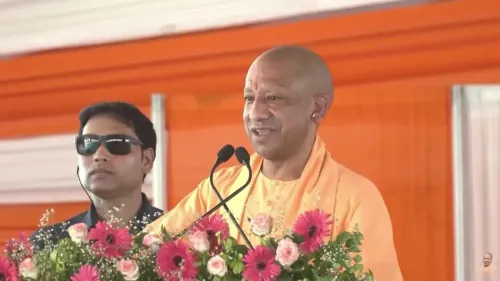
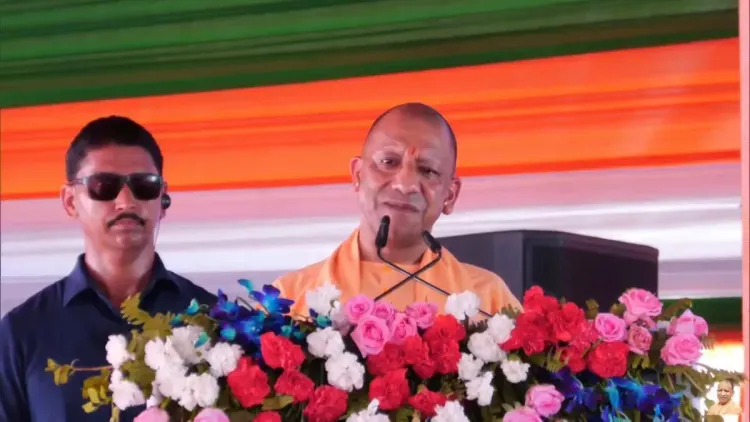
Uttar Pradesh Chief Minister Yogi Adityanath on Sunday, 26 July 2026, issued a sharp political warning to voters, cautioning that certain forces would return to drag the state back into what he called a 'kaalratri' — a dark night — by stoking identity and caste divisions.
Context
Posting on X, Yogi Adityanath wrote in Hindi: 'Woh log aayenge, phir se kaalratri ki or aapko le jaane ka prayas karenge. Pehchaan ka sankat khada karenge, jaati ke naam par bantenge, kshetra ke naam par bantenge, ye samaj aur desh ke dushman hain...' — translated: 'Those people will come, they will again attempt to take you towards a dark night. They will create a crisis of identity, divide you in the name of caste, divide you in the name of region — they are enemies of society and the nation.'
The post, accompanied by a video, did not name any specific individual or party. The term kaalratri — literally 'dark night' — is a phrase Yogi Adityanath has previously used to describe what he characterises as the lawless and divisive era of governance preceding his tenure in Uttar Pradesh.
Policy Backdrop
The warning fits squarely within a political narrative the Bharatiya Janata Party (BJP) has deployed in Uttar Pradesh since its decisive 2017 assembly election victory. The party has consistently framed its governance model — anchored in the slogan 'Sabka Saath, Sabka Vikas' — as a direct counter to what it describes as caste- and region-based vote-bank politics practised by rival formations.
During the 2017 campaign, Yogi Adityanath accused predecessor governments of deliberately fostering communal and caste fault lines to consolidate narrow electoral bases. That framing proved electorally potent, delivering the BJP a landslide in a state that sends 80 members to the Lok Sabha — the largest single-state contingent in Parliament.
Stakeholders and Impact
The message is aimed squarely at Uttar Pradesh's diverse electorate — a mosaic of OBC, Dalit, upper-caste, and minority communities whose political loyalties have historically been contested by the Samajwadi Party, the Bahujan Samaj Party, and the BJP. The Samajwadi Party has built its base around Yadav and Muslim consolidation, while the Bahujan Samaj Party has centred its appeal on Dalit mobilisation and caste-based alliances.
By labelling identity-based appeals as threats to 'society and the nation,' Yogi Adityanath seeks to reframe the electoral contest as a choice between development and division — a binary the BJP has found effective in successive election cycles. Voters across UP's 403 assembly constituencies will be the ultimate arbiters of whether this message retains its resonance.
What's Next
With the 2027 Uttar Pradesh assembly elections approaching, rhetoric of this kind is expected to intensify from all sides. Opposition parties are likely to respond by challenging the BJP's own record on social equity and economic inclusion in the state.
The frequency and sharpness of Yogi Adityanath's messaging on identity politics will serve as a barometer of how the BJP intends to fight the next state election — and whether the 'dark night versus development' frame remains the party's primary weapon in India's most populous state.
Point of View
Well ahead of the 2027 assembly vote, the Chief Minister is signalling that the party intends to fight on ideological and identity-politics terrain rather than purely on governance metrics. The move pre-empts opposition efforts to consolidate caste blocs by casting such consolidation itself as anti-national. Whether this framing retains its potency in a state grappling with unemployment and agrarian stress will be the defining question of the next election cycle.
NationPress
26 Jul 2026
Frequently Asked Questions
What did CM Yogi Adityanath say in his 26 July 2026 post?
Yogi Adityanath warned voters that unnamed forces would attempt to drag Uttar Pradesh back into a 'dark night' by creating identity crises and dividing people along caste and regional lines, calling such forces enemies of society and the nation.
What does 'kaalratri' mean in Yogi Adityanath's political speeches?
'Kaalratri' literally means 'dark night' in Hindi. Yogi Adityanath uses the term to describe what he characterises as the era of lawlessness, caste-based division, and poor governance that preceded the BJP's 2017 victory in Uttar Pradesh.
Which parties is Yogi Adityanath targeting with his caste politics warning?
The post does not name any party. However, the rhetoric has historically been directed at the Samajwadi Party and the Bahujan Samaj Party, both of which have built electoral bases around caste and community consolidation in Uttar Pradesh.
Why is Yogi Adityanath warning about caste politics now in 2026?
The 2027 Uttar Pradesh assembly elections are approaching, and the BJP has consistently used anti-identity-politics messaging as a core campaign tool since 2017. The July 2026 post appears to be early pre-election positioning.
What is the BJP's alternative narrative to caste politics in UP?
The BJP has promoted 'Sabka Saath, Sabka Vikas' — development for all — as its counter-narrative to caste and region-based vote-bank politics, arguing that inclusive development should replace narrow identity appeals.