How Did CMFRI Celebrate 'Swachhta Pakhwada'?
Click to start listening
Synopsis
The ICAR–CMFRI's 'Swachhta Pakhwada' initiative from December 16 to 31 promoted cleanliness as a collective responsibility through targeted drives and community engagement. Discover how these efforts underscored the importance of environmental stewardship and hygiene in fisheries and local communities.
Key Takeaways
- Promotion of cleanliness as a social responsibility.
- Involvement of local communities
- Innovative training on waste recycling
- Link between hygiene and public health
- Digital transformation in administrative practices
Kochi, Dec 31 (NationPress) The ICAR–Central Marine Fisheries Research Institute (ICAR–CMFRI) marked the occasion of Swachhta Pakhwada from December 16 to 31, executing a range of cleanliness initiatives, educational programs, and community outreach efforts focused on the notion that cleanliness is a collective social duty.
During this two-week campaign, the staff of CMFRI engaged in structured cleanliness activities both inside and outside the institute's grounds, alongside informative sessions centered around plastic pollution, environmental responsibility, and effective waste management techniques.
The initiative aimed to connect behavioral modification with actionable steps, aligning with the goals of the national Swachh Bharat Mission.
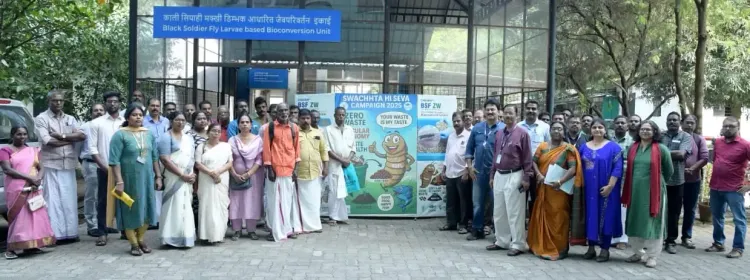
A significant aspect of the program included a training session for farmers on pioneering food waste recycling technologies utilizing black soldier fly larvae.
This training showcased sustainable approaches for transforming organic waste into useful resources while tackling concerns regarding waste disposal and environmental preservation.
The program attracted participation from various stakeholders in the fisheries and related sectors.
Special educational programs were organised for fishermen, stressing the significance of hygiene, clean environments, and responsible marine resource usage.
Through these engagements, scientists from CMFRI highlighted the connection between cleanliness, public health, and sustainable fisheries.
Community outreach was further enhanced through street performances aimed at raising awareness among local populations about cleanliness, waste separation, and environmental stewardship.
School children took an active part in the campaign through engaging sessions designed to foster environmentally responsible behaviors from a young age.
These interactions were intended to cultivate long-term awareness, encouraging students to become cleanliness ambassadors within their families and communities.
In addition to outreach efforts, the campaign advocated for digital transformation and administrative efficiency by implementing an e-office system and improving the organization of office files.
Practical actions such as the separation of biodegradable and non-biodegradable waste, removal of weeds, and cleaning open areas were also executed to enhance workplace hygiene and optimize space.
According to officials at CMFRI, similar initiatives were undertaken across the institute’s regional centers throughout the country.
The Swachhta Pakhwada initiative, they noted, contributed to improved workplace hygiene, better resource management, and heightened awareness of cleanliness and environmental responsibility among staff and the broader public.
Point of View
It is essential to recognize the significance of initiatives like 'Swachhta Pakhwada'. The efforts made by ICAR–CMFRI not only enhance workplace hygiene but also foster a culture of environmental stewardship. Such programs align with national objectives, reinforcing the collective responsibility towards cleanliness and sustainability.
NationPress
09/01/2026
Frequently Asked Questions
What is Swachhta Pakhwada?
Swachhta Pakhwada is a cleanliness campaign initiated by the Government of India, aimed at promoting cleanliness and hygiene as a collective responsibility.
What activities were conducted during Swachhta Pakhwada?
Activities included cleanliness drives, awareness sessions on plastic pollution, and training on sustainable waste management practices.
Who participated in the initiative?
The initiative saw participation from CMFRI staff, local fisher communities, school children, and stakeholders from the fisheries sector.
What was the significance of the farmers' training session?
The training session demonstrated innovative food waste recycling techniques, promoting sustainable practices in waste management.
How does the initiative contribute to public health?
By promoting cleanliness and hygiene, the initiative aims to link public health with sustainable practices in fisheries and the community.