CMFRI's Vembanad black clam project yields 40 tonnes from 5-tonne seed stock
Synopsis
A single hectare at Vadakkumkara has delivered a near-eightfold return: CMFRI seeded 5 tonnes of black clam and is set to harvest 40 tonnes after just 12 months, with survival rates hitting 90%. Against a backdrop of a 40% decline in Vembanad's catch since 2006 — a fishery that feeds more than 6,000 families and accounts for 80% of India's black clam stock — the result could reshape India's approach to estuarine fisheries restoration.
Key Takeaways
ICAR-CMFRI relayed 5 tonnes of black clam seed at Vadakkumkara, Alappuzha in September 2024 ; harvested production is expected to reach ~40 tonnes — up to 8 times the seed quantity.
Survival rate after a 12-month culture period was 80 to 90 per cent .
Vembanad Lake holds more than 80% of India's total black clam resources and supports over 6,000 fishing families directly.
Black clam catch in the region fell from a peak of 75,592 tonnes in 2006 to 45,601 tonnes in 2024 — a drop of nearly 40% .
The project was implemented with a 100% subsidy for Scheduled Caste communities under the Central Government's Scheduled Caste Sub Plan (SCSP) .
Results are expected to guide scaling of similar interventions across other stressed estuarine fisheries in India.
A stock enhancement initiative by the ICAR-Central Marine Fisheries Research Institute (ICAR-CMFRI) has delivered a striking turnaround for the dwindling black clam fishery in Kerala's Vembanad Lake, with harvested production reaching up to eight times the quantity of seeds originally stocked. The project, centred on a one-hectare site at Vadakkumkara in Alappuzha district, signals a credible path toward rebuilding one of India's most ecologically and economically vital freshwater fisheries.
Project Design and Early Results
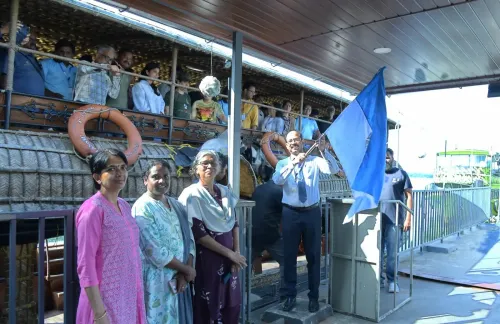
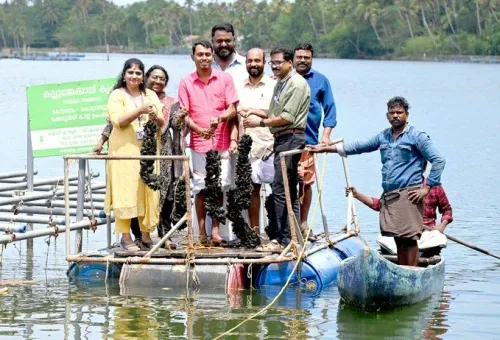
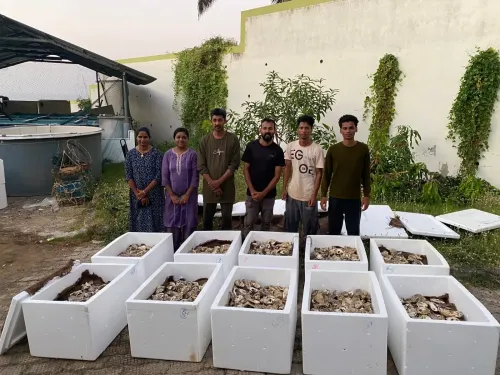
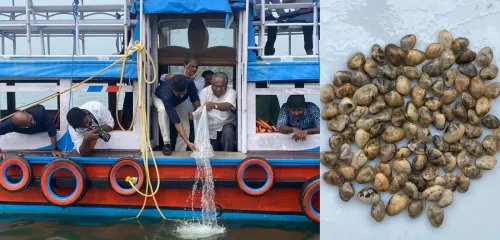
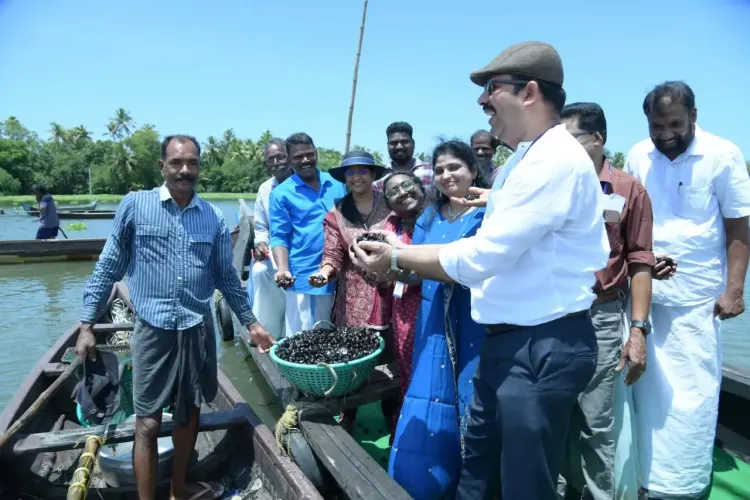
In September 2024, researchers relayed five tonnes of black clam seed across the designated one-hectare plot at Vadakkumkara. After a 12-month culture period, the harvested clams recorded a survival rate of 80 to 90 per cent and strong growth metrics. Total production from the site is expected to reach approximately 40 tonnes — a near-eightfold return on the seed investment. The results were formally marked by a harvest festival at the project site.
Why Vembanad's Black Clam Crisis Is Alarming
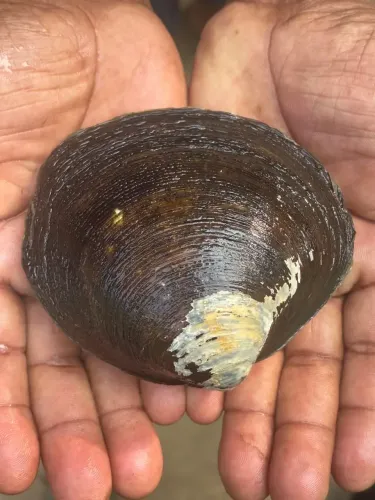
Black clam (Villorita cyprinoides) is among the most economically critical fisheries resources of Vembanad Lake. The lake alone accounts for more than 80 per cent of India's total black clam resources. The fishery directly supports the livelihoods of more than 6,000 families, with nearly twice that number dependent on allied activities such as processing, transport, and trade.
According to CMFRI estimates, the black clam catch in the region has fallen sharply — from a peak of 75,592 tonnes in 2006 to 45,601 tonnes in 2024, a decline of nearly 40 per cent in less than two decades. Researchers attribute the fall to intensive exploitation combined with deteriorating environmental conditions in the estuarine ecosystem.
Scientific Method and Social Mandate
CMFRI Senior Scientist Dr Vidya R, who coordinated the project, said the relaying site was chosen through a rigorous scientific assessment and had no pre-existing clam stock. Standard sampling methods and an appropriate stocking density were followed to ensure effective stock enhancement.
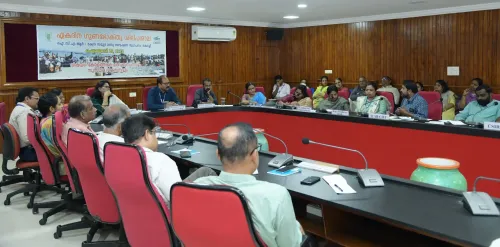
The project was implemented with a 100 per cent subsidy for Scheduled Caste communities under the Central Government's Scheduled Caste Sub Plan (SCSP), with technical support from CMFRI and in collaboration with the Thaikkattussery Black Clam Co-operative Society. The social equity dimension is notable: the communities most dependent on the fishery are also the direct beneficiaries of the restoration effort.
Ecological Significance Beyond the Catch
Inaugurating the harvest, CMFRI Director Dr Grinson George said the initiative demonstrated how scientific regeneration could replenish a declining resource while providing sustained livelihood support to fishing communities. He added that restoring the natural clam stock could also contribute to the broader ecological functioning of the estuarine ecosystem, noting that clams serve as critical filter-feeding organisms that help maintain water quality.
The convergence of resource recovery, ecosystem services, and community welfare makes this project a potential model for similar interventions across India's coastal and estuarine fisheries.
What Comes Next
The proven viability of the stock enhancement approach at Vadakkumkara is expected to inform the scaling of similar projects across Vembanad Lake and potentially other estuarine systems where clam fisheries are under stress. Whether the government and CMFRI will commit resources for wider replication remains the critical next question for the more than 6,000 families whose livelihoods depend on the lake's recovery.
Point of View
But the harder question is whether it can be scaled fast enough to matter. A 40% catch decline over 18 years represents structural damage — not a blip — and one hectare of successful seeding against a lake that spans over 2,000 square kilometres is a proof of concept, not a rescue. The SCSP-funded model is smart social architecture, but it depends on continued government budgetary commitment beyond demonstration projects. CMFRI's findings deserve urgent policy translation, not just a harvest festival.
NationPress
1 Oct 2026
Frequently Asked Questions
What did CMFRI's Vembanad black clam project achieve?
CMFRI's stock enhancement project at Vadakkumkara in Alappuzha district relayed 5 tonnes of black clam seed over one hectare in September 2024, yielding an expected harvest of around 40 tonnes — up to eight times the seed quantity — after a 12-month culture period with a survival rate of 80 to 90 per cent.
Why is the black clam fishery in Vembanad Lake important?
Vembanad Lake accounts for more than 80 per cent of India's total black clam resources. The fishery directly supports the livelihoods of more than 6,000 families, with nearly double that number engaged in allied activities such as processing and trade.
How much has the black clam catch declined in Vembanad?
According to CMFRI estimates, the black clam catch in the region fell from a peak of 75,592 tonnes in 2006 to 45,601 tonnes in 2024 — a decline of nearly 40 per cent, driven by intensive exploitation and changing environmental conditions.
Who funded the CMFRI black clam project and who benefited?
The project was implemented with a 100 per cent subsidy for Scheduled Caste communities under the Central Government's Scheduled Caste Sub Plan (SCSP), in collaboration with the Thaikkattussery Black Clam Co-operative Society and with technical support from CMFRI.
What is the ecological significance of restoring black clam populations?
Black clams are filter-feeding organisms that play a critical role in the health of the estuarine ecosystem. CMFRI Director Dr Grinson George noted that replenishing natural clam stock contributes to the ecological functioning and productivity of the broader estuary, beyond its direct economic value to fishing communities.