CMO Bihar directs heritage tours, local pond role
Synopsis
The Chief Minister's Office of Bihar has asked that representatives be taken to Bodh Gaya, Rajgir and Kesariya, and that local people share in beautifying Abhishek Pushkarni pond — a fresh push on the state's Buddhist tourism circuit.
Key Takeaways
The Chief Minister's Office of Bihar on 27 November 2026 directed that representatives tour Bodh Gaya, Rajgir and Kesariya.
The Chief Minister emphasised local participation in beautification and development of Abhishek Pushkarni pond.
Bodh Gaya houses the Mahabodhi Temple, a UNESCO World Heritage Site.
Rajgir is an ancient city of Buddhist and Jain significance; Kesariya holds a major stupa.
Bihar has long packaged these sites as a religious tourism circuit with community-led upkeep.
The Chief Minister's Office of Bihar put three sacred towns on the official list on 27 November 2026: representatives are to be taken through Bodh Gaya, Rajgir and Kesariya, while the Chief Minister stressed that local residents share in the makeover of Abhishek Pushkarni pond.
The office said representatives should tour important historical and religious sites such as Bodh Gaya, Rajgir and Kesariya. It added that Honourable Chief Minister ji emphasised ensuring local people's participation in the beautification and development of Abhishek Pushkarni tank — अभिषेक पुष्करणी तालाब के सौंदर्यीकरण तथा विकास कार्यों में स्थानीय लोगों की सहभागिता.
Bodh Gaya, Rajgir and Kesariya on one itinerary
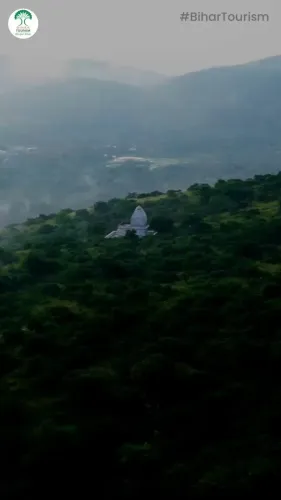
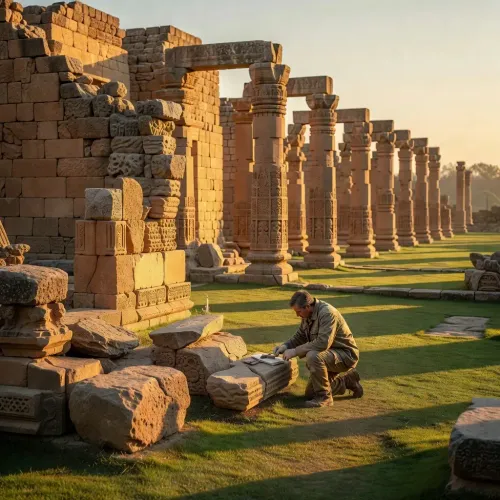
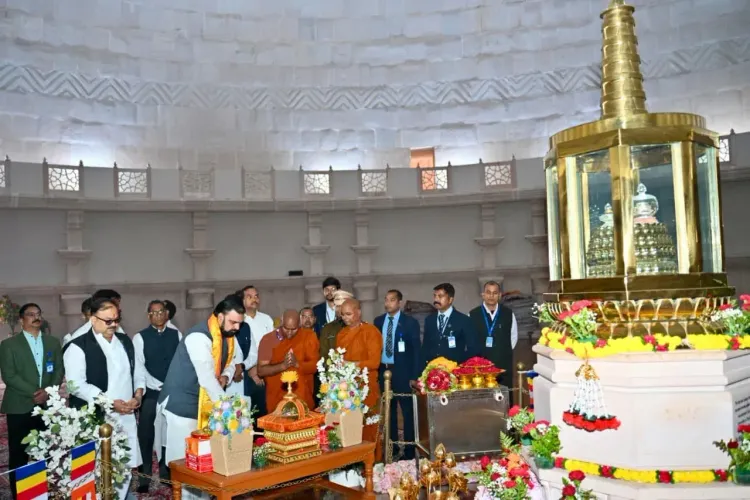
Bodh Gaya is where Gautama Buddha attained enlightenment and is home to the Mahabodhi Temple, a UNESCO World Heritage Site. Rajgir, an ancient city of Buddhist and Jain memory, holds Gridhakuta hill and hot springs. Kesariya is known for one of the largest Buddhist stupas, tied to the Buddha's final journey.
Successive Bihar governments have packaged these locations as a religious tourism circuit — both to conserve heritage and to pull pilgrim spending into nearby towns and villages. The instruction fits that map: show the sites, then bind the works to the people who live around them.
Local hands at Abhishek Pushkarni
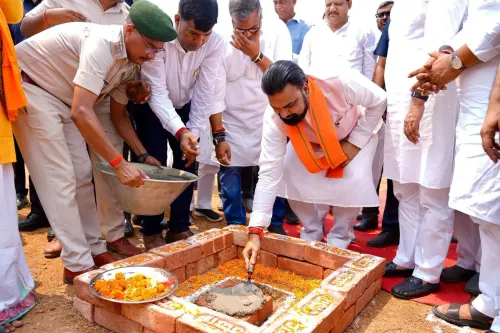
The office singled out Abhishek Pushkarni, a historic pond on Bihar's Buddhist landscape, for beautification and development. The stress was not only on construction but on local participation — a formula used so that upkeep does not collapse after the inauguration photos fade.
Pilgrims and nearby residents are the two groups this lands on. A restored pond that village labour helped shape is likelier to be guarded by the same village.
The test is whether the circuit on paper becomes a lived route — and whether Abhishek Pushkarni's banks stay in local hands after the works are done.
Point of View
Rajgir and Kesariya is a classic circuit-building move. Pairing it with community labour at Abhishek Pushkarni is the sustainability clause — without locals, heritage projects decay. The political signal is continuity: tourism plus village ownership, not a new doctrine.
NationPress
27 Nov 2026
Frequently Asked Questions
What did the Chief Minister's Office of Bihar say on 27 November 2026?
It said representatives should be taken to Bodh Gaya, Rajgir and Kesariya, and that the Chief Minister emphasised local participation in beautifying and developing Abhishek Pushkarni pond.
Why are Bodh Gaya, Rajgir and Kesariya important in Bihar?
Bodh Gaya is where Gautama Buddha attained enlightenment and hosts the Mahabodhi Temple, a UNESCO World Heritage Site. Rajgir is an ancient Buddhist and Jain city with sites such as Gridhakuta hill. Kesariya is home to one of the largest Buddhist stupas, linked to the Buddha's final journey.
What is Abhishek Pushkarni?
Abhishek Pushkarni is a historic pond associated with Buddhist heritage sites in Bihar. The Chief Minister's Office said beautification and development there should involve local people.
How does this fit Bihar's tourism policy?
Bihar governments have long promoted Buddhist heritage as a religious tourism circuit to preserve culture and generate local economic activity. Community participation is often built into site upkeep so projects last.
Who is affected by development at these sites?
Local residents around Abhishek Pushkarni and the wider circuit, along with Buddhist pilgrims who visit Bodh Gaya, Rajgir and Kesariya.