Uttarakhand CMO: Fuel Supply Normal in Dehradun, Avoid Panic Buying
Synopsis
The Chief Minister's Office of Uttarakhand said on 3 June 2026 that fuel supply in Dehradun district remains normal, urging consumers not to panic and stockpile unnecessarily. The advisory comes amid informal reports of tight retail supply and aims to calm sentiment among residents, transporters and tourism operators in the state capital.
Key Takeaways
The Uttarakhand CMO confirmed fuel supply in Dehradun district is normal on 3 June 2026.
The administration appealed to consumers to avoid panic-driven unnecessary stockpiling.
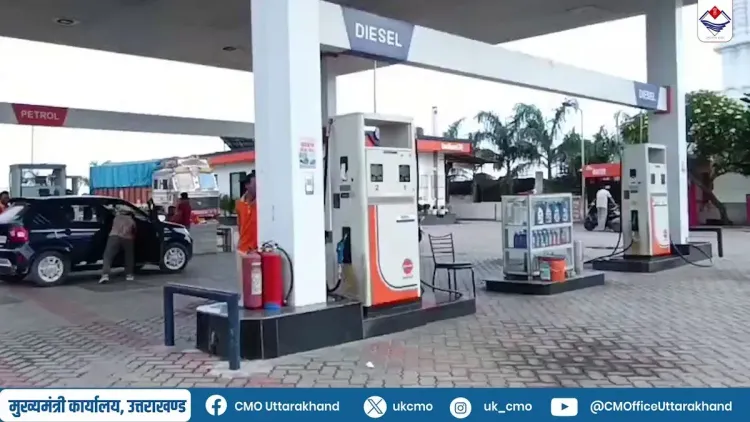
The advisory was posted on X at around 11:46 am IST with an accompanying video.
Dehradun is the supply hub for onward fuel distribution to hill districts like Mussoorie and Rishikesh.
Follow-up statements from the district supply office and oil marketing companies are expected.
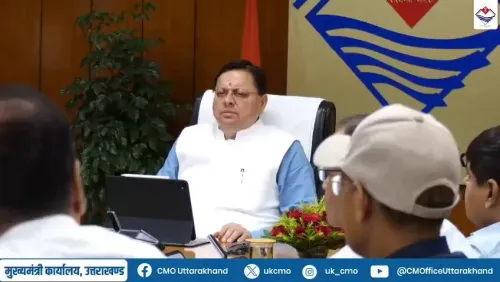
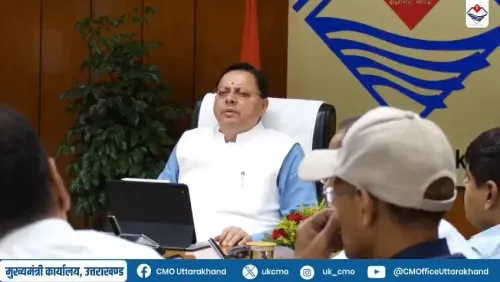
The Chief Minister's Office of Uttarakhand on Wednesday, 3 June 2026, said that fuel supply across Dehradun district remains normal and urged residents not to indulge in panic-driven stockpiling. The advisory, posted on X at around 11:46 am IST, was accompanied by a short video and tagged the district administration's standard public-communication handles.
In its post, the CMO stated, in Hindi, that 'Dehradun janpad mein indhan ki aapurti samanya' (fuel supply in Dehradun district is normal) and that 'prashasan ne upbhoktaon se panic hokar anavashyak stock na karne ki apeel ki hai' (the administration has appealed to consumers not to panic and unnecessarily stock fuel).
Context
The clarification comes against the backdrop of consumer queues and informal reports of tight supply at select retail outlets in and around the state capital. The CMO's message is aimed at calming sentiment and signalling that pump-level inventories and tanker movements into Dehradun are continuing as scheduled.
Dehradun, the administrative and commercial hub of Uttarakhand, draws fuel through depots that feed both the city's daily commuter base and onward distribution to hill districts. Any rumour of shortage in the capital tends to cascade quickly into neighbouring areas such as Mussoorie, Vikasnagar and Rishikesh, where consumers often top up tanks pre-emptively.
Policy backdrop
Public reassurances on essential commodity availability are a routine governance tool used by Indian state administrations to pre-empt hoarding when shortage rumours circulate. In hilly terrains like Uttarakhand, supply chains are particularly vulnerable to monsoon landslides, road closures and tanker driver disruptions, making fuel availability a sensitive political subject.
State governments typically coordinate with oil marketing companies and the district supply officer to monitor stock levels at retail outlets, push additional tanker loads where queues build up, and publicly counter misinformation. The Chief Minister's Office stepping in directly — rather than leaving the message to the district administration alone — signals an intent to shut down speculation early.
Stakeholders and impact
The advisory is directed primarily at Dehradun residents and motorists, but the secondary audience includes fuel retailers, transporters and tourism operators who depend on predictable diesel and petrol availability. Panic buying typically distorts demand by 20-40 per cent above baseline at affected outlets, draining station-level stocks faster than the supply chain can replenish and creating the very shortage consumers feared.
For commercial users — tour fleets running to Mussoorie, Char Dham yatra operators, and inter-city bus services — a stable retail environment in Dehradun is critical heading into the peak summer travel window. Any sustained queues could feed into higher informal pricing in remoter pockets of the state.
What's next
Observers will watch for follow-up advisories from the district administration and the state's food, civil supplies and consumer affairs department, including any inventory updates from depot operators. A formal statement from oil marketing companies on tanker dispatches, or a scheduled review meeting with retail dealers, would further anchor the CMO's reassurance.
If queues ease within 24-48 hours of the advisory, the episode is likely to be remembered as a routine rumour-management exercise. If they persist, pressure will build on the state to disclose depot-level stock data and clarify the underlying trigger — a test of how transparently Uttarakhand handles essential-supply communication in its capital district.
Point of View
Rather than leaving the message to district officials, suggests the state read the rumour cycle as serious enough to warrant top-level reassurance. It fits a familiar Indian governance pattern where essential-supply messaging is weaponised against hoarding before the shortage becomes self-fulfilling. The real test is operational follow-through — visible tanker movements and depot data — not the tweet itself. For a tourism-dependent capital heading into peak summer, credibility on fuel availability is politically non-trivial.
NationPress
23 Oct 2026
Frequently Asked Questions
Is there a fuel shortage in Dehradun?
No, the Uttarakhand Chief Minister's Office has stated that fuel supply across Dehradun district remains normal as of 3 June 2026. The administration has urged consumers not to engage in panic buying or unnecessary stockpiling.
Why is the Uttarakhand government issuing a fuel advisory?
The advisory appears aimed at countering rumours and pre-empting panic buying that could artificially deplete retail stocks. Such public reassurances are a standard governance response when shortage speculation begins to circulate.
What did the Uttarakhand CMO say about fuel stockpiling?
The CMO appealed to consumers not to panic and unnecessarily stock fuel. The administration emphasised that supply at retail outlets in Dehradun is continuing as scheduled.
Which areas of Uttarakhand could be affected by Dehradun fuel concerns?
Dehradun serves as the supply hub for onward fuel distribution to neighbouring areas including Mussoorie, Vikasnagar and Rishikesh. Rumours in the capital often cascade quickly into these hill pockets where consumers top up tanks pre-emptively.
What should consumers do in response to the advisory?
Consumers should refuel only as per their normal requirement and avoid hoarding fuel in jerry cans or extra containers. Panic buying typically worsens queues and depletes station-level stocks faster than supply can be replenished.